

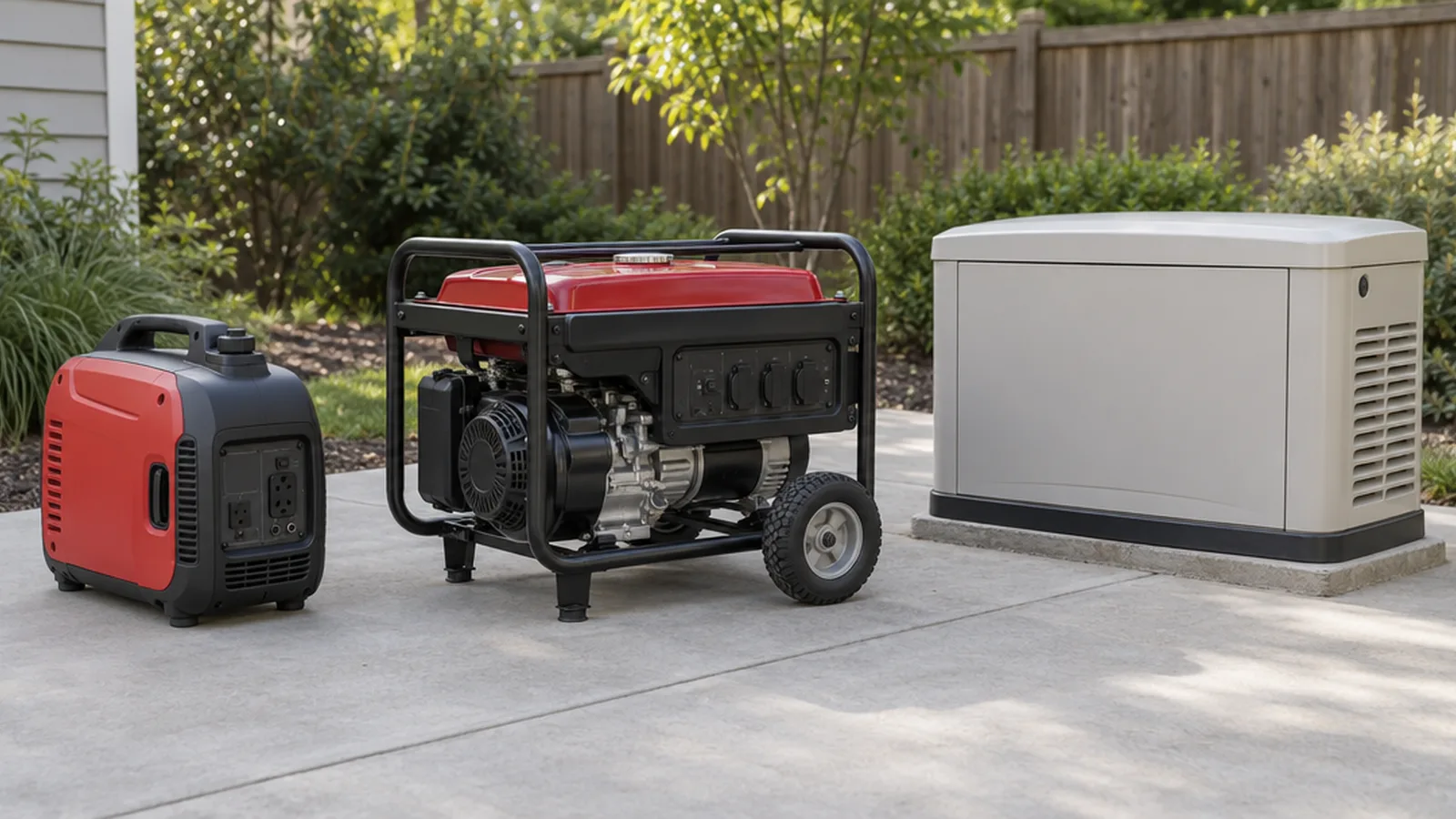
Buying a generator gets easier when you start with the outage you’re planning for, not the model list. A four-hour blackout that threatens your fridge calls for a different machine than a week without power after a storm.
This page matches each kind of home generator to the situation it fits best, then shows what to check before you pay.
We don’t test generators hands-on. So every pick below is a type of unit and a way to choose, never a claim about one model’s performance.
What are the best home generators?
There’s no single winner, because the best home generator depends on what you need to run and how it connects to your house. Here’s the short version:
- Whole-house backup: a home standby generator that starts by itself.
- Essential circuits on a budget: a portable generator with a safe connection to your panel.
- Quiet, steady power for electronics: an inverter generator.
- Fuel choice during a long outage: a dual fuel generator or a natural gas model.
- Short outages with no exhaust at all: a portable power station for home backup.
Magazines and testing labs publish their own model rankings, and those can help once you know your type. Check the model year before you trust any ranking, because a familiar name can cover different engines and outlets from one year to the next.
Home standby generators for whole-house backup
A home standby generator is installed outside your house, on a pad, like an air conditioner. It runs on natural gas or propane and starts through an automatic transfer switch, which moves your house onto generator power without you touching anything.
That’s the reason people pay more for standby units. You don’t haul fuel, pull a cord or run extension cords through a window while the lights are out.
The catch is the installation. A standby unit needs a gas line, an electrical connection and usually a permit, so installation costs belong in your budget from day one.
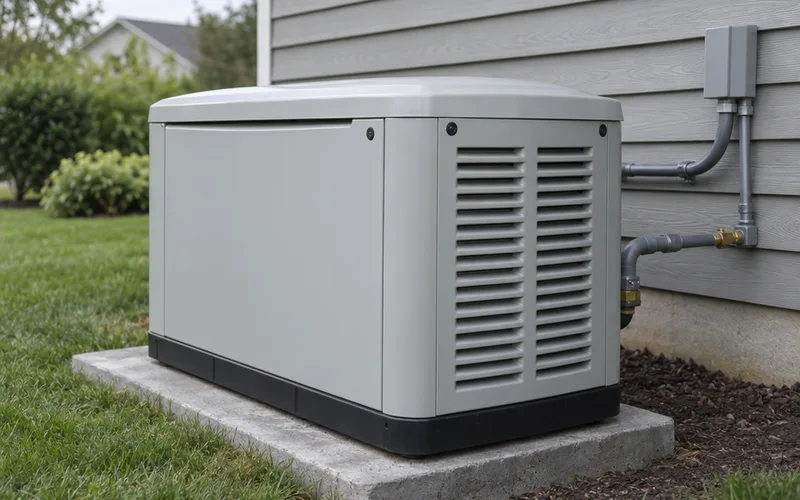
Choose standby if you want the house to keep running with little effort on your part. Skip it if your outages are rare and short, or if you rent or may move soon.
Before you buy, ask whether the unit runs a self-test on a schedule. Then check how loud that test is and when it happens.
Check the transfer switch rating as well. It should match your electrical service, and your electrician will need to confirm that it does.
You’ll find the full list of types and sizes in our guide to the best whole house generator options. Then compare the big names in Kohler vs Generac before you ask dealers for quotes.
Portable generators for essential circuits
A portable generator sits on wheels and burns gasoline, and some models also take propane. It costs less than a standby unit, but it asks more of you during an outage.
You’ll fill the tank, start the engine and watch it run in a safe spot outdoors. Most owners power the fridge, a few lights, the furnace fan and a phone charger, and then rotate larger loads in turn.
You can connect it to your house in two safe ways. Your electrician can install an inlet and transfer switch or an interlock kit, or you can plug in a few heavy-duty cords for single appliances.
Never feed power into a wall outlet to “backfeed” your house. That can send electricity back onto the grid and injure a lineworker, and it’s one more reason to read the installation section first.
Portable units suit a home with short or occasional outages and a plan for essential circuits only. Our roundup of the best portable generator options covers sizes, fuel and what to expect from each.
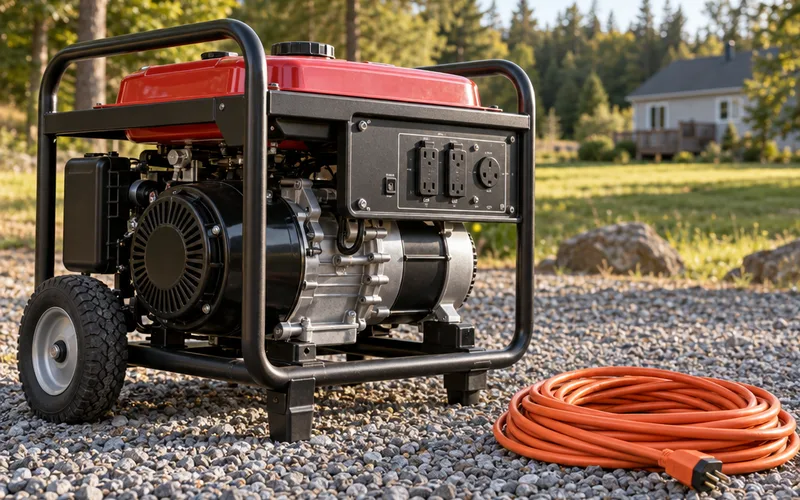
Look for a few features that make a portable unit easier to live with. An electric start saves effort, an hour meter helps you track service, and a low-oil shutoff protects the engine if you forget to check.
Weight matters more than most people expect. A heavy unit on small wheels is hard to move over grass or a step, and you’ll move it in bad weather.
Inverter generators for quiet, steady power
An inverter generator makes alternating current, converts it to direct current, then rebuilds a clean, steady flow. That steadier output is gentler on laptops, phone chargers and other electronics.
Inverter models are usually quieter, because the engine can slow down when your load is light. They also tend to cost more for each watt, and the biggest inverter units can be heavy.
If you live close to neighbors, noise matters as much as power. Start with the best quiet generator for home if that’s your top worry.
Pick an inverter if your essentials are modest and you care about low noise and clean power. A well pump or central air conditioner needs more, so you may want a bigger portable or a standby unit.
Read the noise rating with care. Makers list it at a stated distance and load, so two numbers only compare fairly when those conditions match.
Two upgrades are worth comparing as you shop. The best dual fuel inverter generator options add propane, and a 240V inverter generator can carry larger household appliances.
Dual fuel and natural gas generators
Dual fuel generators run on gasoline or propane, so you can switch to whichever you can find. Propane stores for a long time, which helps if you keep fuel on hand for storm season.
A natural gas generator uses your home’s gas line instead of a tank, so you don’t refill it. It can run as long as the gas keeps flowing, but a gas outage or a damaged line would stop it.
Here’s why fuel is a bigger choice than it looks. Gasoline goes stale in storage, propane takes up space and natural gas needs a line run to the unit.
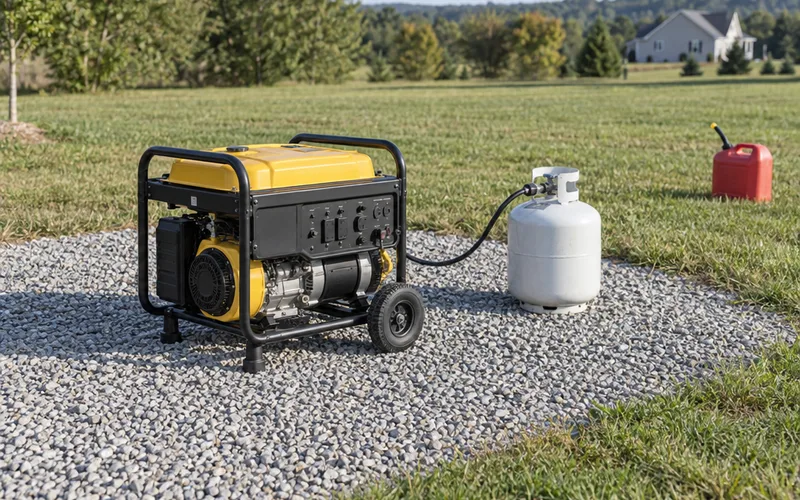
Match the fuel to your local conditions. In a hurricane region, hurricane generator picks lean toward fuel you can store, while an area with reliable gas service may favor natural gas.
Think about how much fuel you’d really need. A long outage can burn through a few tanks, so decide where you’ll store extra fuel and how you’ll rotate it.
Store fuel outdoors in approved containers, away from the generator while it runs. Your manual and local fire rules give the details.
For deeper comparisons, see our roundups of dual fuel generators and natural gas generators. Both explain what to ask a dealer about fuel use at different loads.
Solar generators and portable power stations
A solar generator is a battery pack with an inverter and, often, solar panels you buy to charge it. A portable power station is the same idea without the panels.
Neither burns fuel, so neither makes exhaust or needs a safe outdoor spot for the unit. You can use one indoors, which makes it handy for apartments and for powering a CPAP machine or router.
The limit is stored energy. A battery can run a small load for a long time, but a large load drains it quickly.
That makes these units a smart backup for short outages and a weak answer to a week-long one. Our roundups of the best solar generators and the best portable power station options help you weigh capacity, recharge time and cost.
Pay attention to the outlets and the rated output. A battery can have plenty of stored energy and still be unable to run a heater or a microwave, so check both numbers against your list.
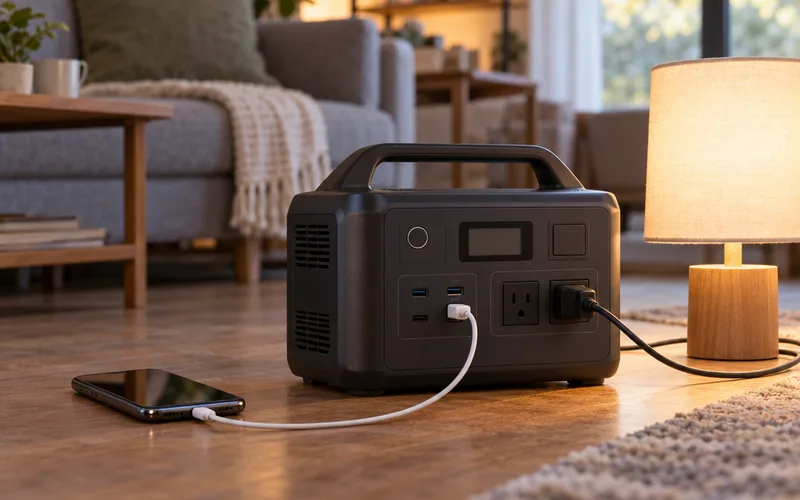
Panels add another variable. Their output depends on sun, so plan around cloudy days and a way to recharge from the wall when the grid returns.
How we choose the best home generators
Think of this page as a decision guide, not a lab report. We research manufacturer specifications, owner’s manuals, warranty terms, recall notices and patterns in owner reports.
Here’s what we compare for each type:
- Output in running watts and starting watts, as the manufacturer rates it
- Fuel type and how long a tank, battery or gas line can keep the unit running
- Noise rating and how the unit connects to your home
- Safety features, such as a carbon monoxide shutoff
- Warranty length and how easy it is to get service and parts
We don’t rate any of this from our own bench, so manufacturer figures stay labeled as ratings. When a spec isn’t clear, we say so rather than fill the gap.
You can use the same checklist on any spec sheet. Look at the conditions behind each number, because a runtime listed at half load tells you less about a full load.
Check the outlets too. A unit that has the wrong receptacle for your transfer switch or inlet will need an adapter, and your electrician may not approve that.
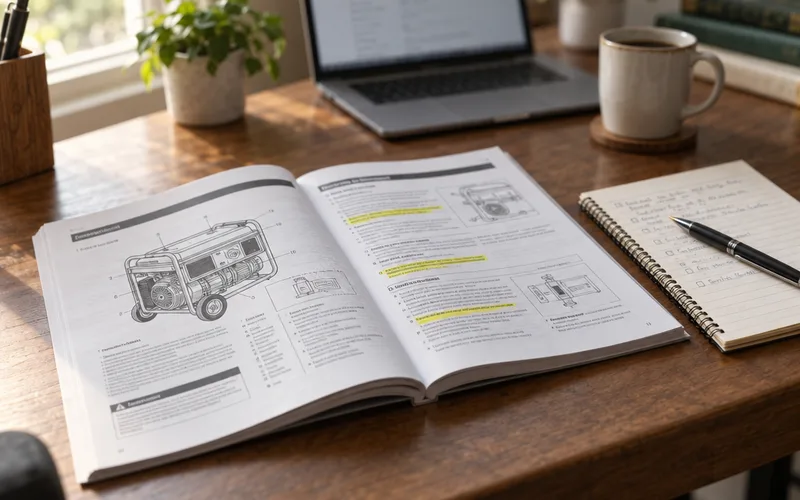
Finally, check whether the unit meets the emissions rules where you live. Some states set their own limits, so a model sold in one state may not be sold in another.
Generator brands to know
A few names show up again and again in standby shopping, including Generac, Kohler and Cummins. Portable and inverter shoppers will also see Honda, Champion, DuroMax and Predator.
A brand matters less than the service behind it. Ask who installs, who services and how fast parts arrive where you live.
Recalls are worth a look too. The Consumer Product Safety Commission posts recall notices, so search the exact model number before you buy.
If you’re choosing between big names, read our Generac vs Kohler vs Cummins comparison. For a wider view, the best generator brands roundup groups them by the kind of buyer each one suits.
You can also read model-level takes in our Champion generator review, DuroMax generator review and Predator generator review.
Match the generator to your home
Size comes before brand. List what you want to run, then compare two numbers.
Running watts keep an appliance going, and starting watts cover the brief surge when a motor starts.
A refrigerator, a sump pump and a well pump all start with a bigger jolt than they use once running. That’s why a unit that looks big enough on paper can still trip when a motor kicks on.

You may hear about an “80% rule,” a common rule of thumb to stay under about 80% of a generator’s continuous rating. Your manual is the real authority on limits.
Many shoppers ask about a 7,500-watt portable unit. That size can run many essentials.
But whether it fits your house depends on your list and your electrician’s connection plan.
Do the math with our guide to what size generator you need. It covers load lists, essential circuits and fuel runtime.
Which generator fits your situation?
Different homes push you toward different answers, so match your own situation to the closest case below.
A 1,500 square foot house: square footage doesn’t decide the size, because your appliances do. A small home with gas heat, a fridge and a few lights needs far less than the same home with electric heat or central air conditioning.
A home with a well pump or sump pump: motors need extra power to start, so check the starting watts first. If water or flooding is a real risk, a standby unit or a carefully sized portable can protect you better than a small inverter.
An apartment or condo: check your lease and building rules before you buy anything with an engine. A battery station is often the only choice that’s allowed, since it makes no exhaust.
A storm or hurricane region: outages can last days, so fuel supply matters as much as output. Plan for fuel you can store or a gas line you trust, and read our picks for a hurricane generator.
A cold climate: cold weather can make engines and batteries harder to start. Check what your manual says about cold starts and keep the unit ready before storm season.
A household with medical equipment: ask the equipment maker and your care provider what backup they advise. A generator that takes a few minutes to set up may not be enough for a device that can’t lose power.
None of these cases needs a perfect answer today. Pick the closest one, then use the sizing guide to turn it into watts.
Safety rules to settle before you buy
Generator safety shapes which type you can use, so settle it first.
The Consumer Product Safety Commission says to operate generators outdoors only, at least 20 feet from homes and buildings. It adds that the exhaust should point away from windows, doors and vents.
The same release says to never use a portable generator inside homes, garages, basements, crawlspaces or sheds, even with doors or windows open. That rule is why a portable unit needs outdoor space, and why a battery station makes sense if you have none.
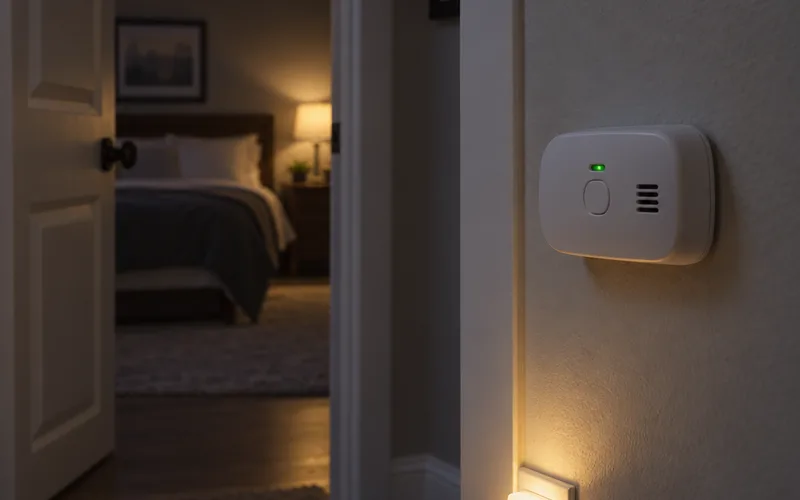
The CPSC also advises looking for portable generators with a carbon monoxide shut-off feature. It says these automatically shut off generators when dangerous carbon monoxide levels build nearby.
At home, the agency says to install working carbon monoxide and smoke alarms on every level and outside sleeping areas. It also says to test them monthly.
Read the full generator safety section for placement, weather and outage routines.
Installation, cost and upkeep
The price on the tag is only part of what you’ll spend. Standby units add installation, a pad, fuel line work and permits, while portables may add an inlet, a transfer switch and a quality cord.
Ask for written quotes that list each part and each hour of labor. Our whole house generator cost calculator helps you see where the numbers come from.
Upkeep is part of the cost too. Oil, filters, spark plugs and fuel care keep a generator ready, and the maintenance section walks through a plan you can follow.
Fuel adds to the yearly bill as well. Gasoline and propane cost money to store and replace, while natural gas shows up on your utility bill.
Questions to ask a dealer or electrician
You’ll get better quotes when you ask the same questions of every installer. It also helps you spot the ones who skip the details.
- Is this the right size for the loads on my list, and how did you work it out?
- Which transfer switch or inlet do you recommend, and is the permit included?
- Who services this brand near me, and how soon can they come out?
- What does the warranty cover, and what does it need from me?
- What upkeep should I expect each year?
A local search for “backup generator for home near me” will turn up many dealers. Check that the one you pick is licensed in your state and is authorized for the brand, since that affects the warranty.
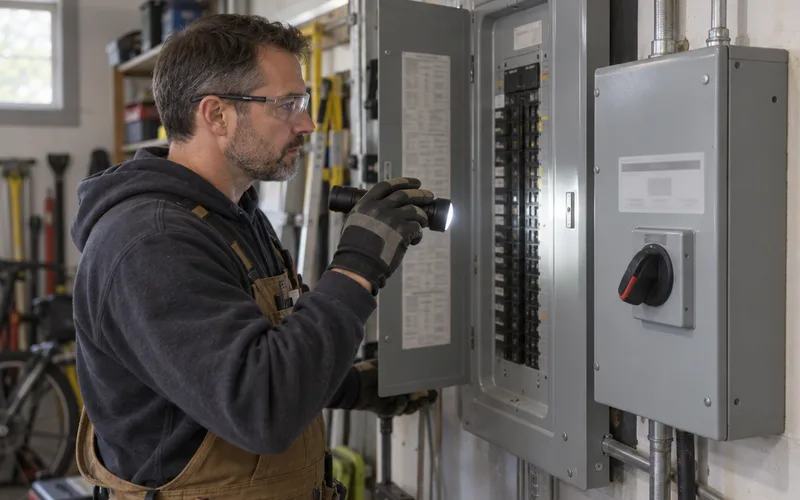
Be careful with anyone who wants a deposit before they’ve looked at your electrical panel. A real quote starts with your panel, your gas supply and where the unit will sit.
Mistakes that cost homeowners money
Most regrets come from a few repeated mistakes, and each of them is easy to avoid.
- Buying by watts alone. A big number means little if the unit is too loud, too heavy or too hard to connect.
- Skipping the connection plan. Cords through windows and backfeeding are unsafe, so budget for the right inlet or switch.
- Forgetting fuel. A generator is only as useful as the fuel you can get during an outage.
- Ignoring local rules. Noise limits, permits and placement rules can change what you’re allowed to install.
- Waiting for the storm. Stores sell out quickly, so decide before the forecast turns bad.
A generator also needs a test run now and then. Follow the schedule in your manual and keep a log, as the maintenance section explains.
Where to start
Begin with your must-run list, then pick the type that can carry it safely. After that, narrow the field by fuel, noise and connection method.
If you’re still unsure, take three steps in this order:
- Write down the appliances you can’t live without and look up their watts.
- Decide whether you want a standby unit, a portable unit or a battery station.
- Ask a licensed electrician what your panel and your lot allow.
That short path keeps you from paying for power you won’t use. It also puts safety and installation ahead of the brand, where they belong.