
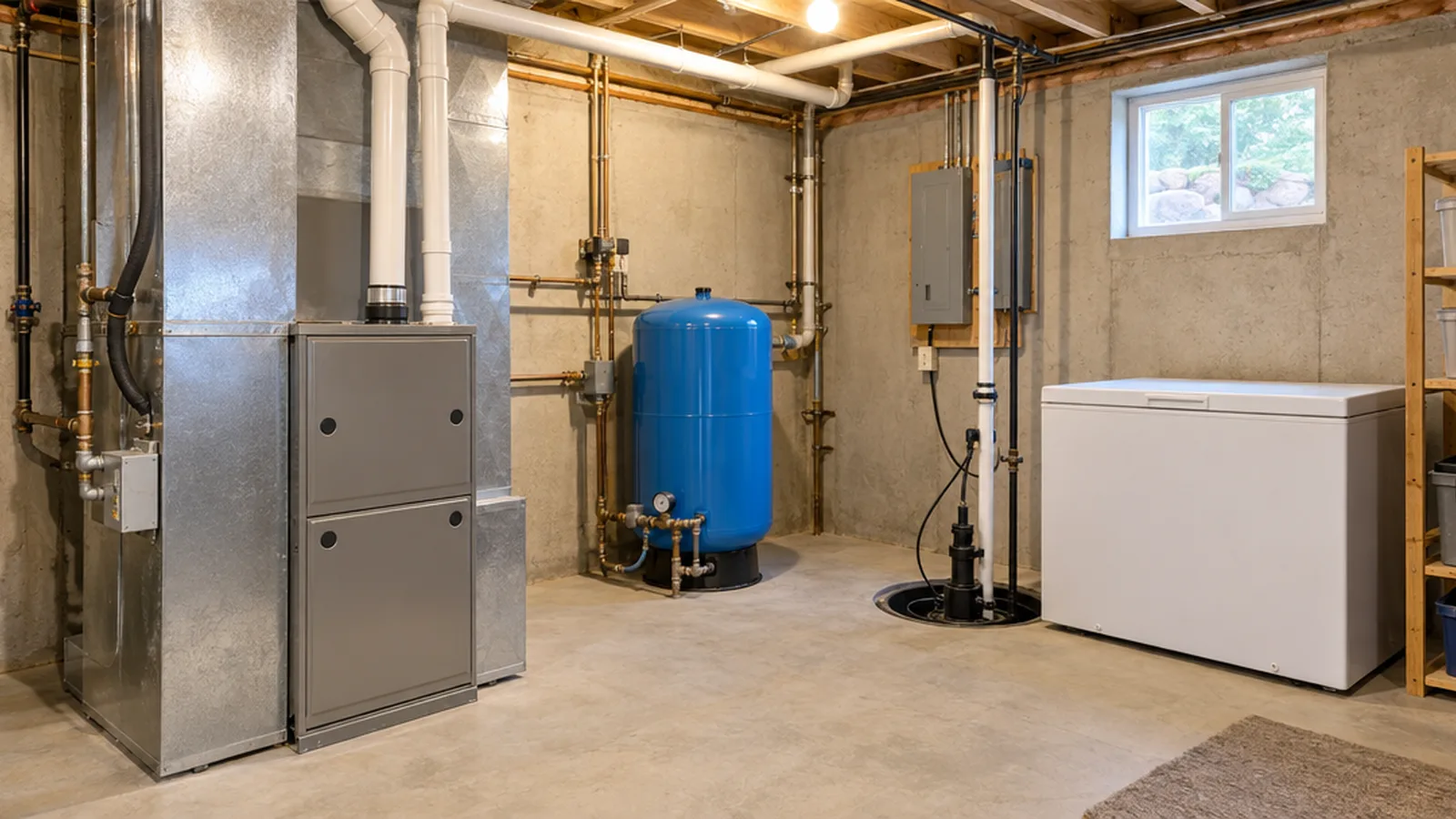
You can answer “what size generator do I need?” more confidently once you decide what your household can do without during an outage. Keeping food cold and a sump pump working is a different job from running the kitchen, air conditioning and electric heat together.
Use the steps below to build a load list, check motor starts and compare the result with a generator’s specifications. Your house’s floor area alone won’t give you that answer.
What size generator do I need for my home?
Choose enough running power for the loads you will use together, plus enough surge power to start them. Those are separate checks, and you need to pass both.
First, choose which parts of your home need power. Backup for key circuits starts with a short list.
Whole-home power needs an expert to check more loads and how they work together.
Generac’s sizing tool asks about heating fuel, vehicle charging and simultaneous power use. That is why two homes with the same floor area can need different amounts of backup power.
Step 1: Choose your essential loads
List what you need to keep working: food storage, key lights, phones and any devices you rely on. Add the pumps and heat your home needs in the season when power cuts happen.
Mark what must stay on, what starts by itself and what can wait. A sump pump may switch on without warning, while you can choose when to use a microwave.
For a home on well water, well-pump power needs belong near the top of the list. Note the pump’s volts as well as its watts.
A unit with enough watts still needs the right voltage to run it.
Keep cooking and laundry apart from the loads you must run. You can then see what changes if you leave a large load off.
Step 2: Find running and starting watts
Running watts describe the power a load needs while it operates. Starting watts describe the brief demand when a motor or compressor starts, which can be higher.
Check running and starting watts for fridges, pumps and cooling loads. Write both figures beside each appliance rather than using one column called “watts.”
Use the manual or ask the maker for your model’s figures. If a label gives only amps, ask the maker what those amps mean.

Find out which figure covers normal use and which covers startup.
Volts multiplied by amps gives apparent power in volt-amperes for a single-phase load. It equals watts only when the power factor is one, so that shortcut can misstate a motor’s real running demand.
A plug-in meter can measure the running load of a device it is rated for. It may miss a brief surge at startup.
Don’t remove an electrical panel cover or try to measure exposed conductors yourself.
Calculate the load you will run together
Add the running watts of the loads you will use at once. Check each motor start while the other loads are on.
If a starting figure means the motor’s total startup demand, subtract its running watts before adding it to the running total. If a chart explicitly gives additional starting watts, add that extra figure directly.
Step 3: Work through a load-list example
This made-up load list shows how the sums work. Use it to learn the method, then use your own devices’ ratings.
| Selected load | Running watts | Total starting watts |
|---|---|---|
| Refrigerator | 300 | 1,200 |
| Sump pump | 1,000 | 2,600 |
| Lights and communications | 200 | 200 |
| Small additional load | 400 | 400 |
The combined running load is 1,900 watts. When the pump starts, replace its 1,000 running watts with its 2,600 total starting watts: 1,900 - 1,000 + 2,600 = 3,500 watts.
Starting the refrigerator instead gives 1,900 - 300 + 1,200 = 2,800 watts. The pump start is the larger single-start event in this example.
That result assumes the fridge and pump start at different times. If they start together, the same example reaches 4,400 watts, so automatic loads need more thought than a list of appliances you switch on by hand.
Step 4: Check both generator ratings
This load list needs 1,900 running watts, plus power for the starts you expect. A 3,500-peak-watt label does not tell you the running rating.
It also does not prove that the unit can start that motor.
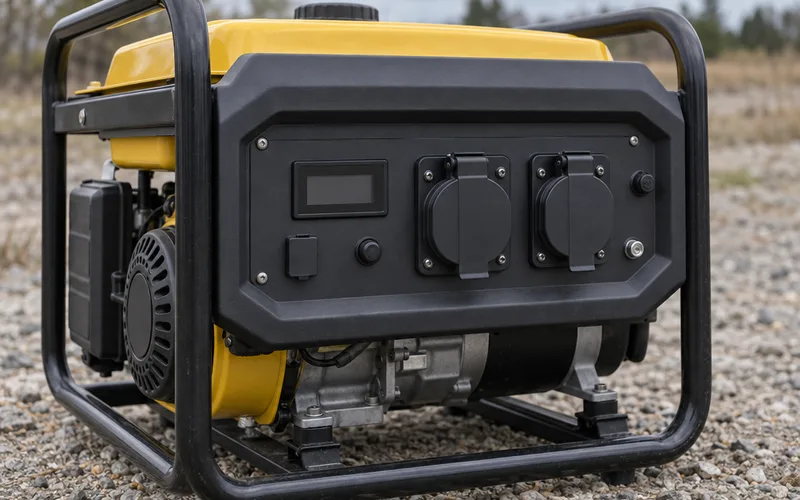
Check the manual for rated output, peak output and how long surge power lasts. Ask the maker or installer how much power a motor needs to start, and for how long.
The same load calculation method works when you change the appliance list. Check each start on its own.
Do not count a motor’s running watts twice.
Leave room for changes and automatic starts
Some buyers use an 80% operating target when planning their continuous load. That target leaves spare running power.
It does not prove that the unit can start your motors safely.
In the example, 1,900 ÷ 0.8 = 2,375 watts of continuous capacity. That calculation leaves running headroom, but you still need to check the 3,500-watt single-start event or possible overlapping starts.
Step 5: Make load management realistic
Honda Power Equipment explains that power management works by running appliances at different times. You might pause an optional load before using another appliance with a high demand.
That plan only helps if everyone at home will follow it. Note which loads can wait and which restart on their own.
An installer may use generator load management to control some loads. Ask which circuits it controls and what happens when two large loads call for power together.
Check appliances that can change the answer
One large load can decide the size you need, even on a short list. Pumps, electric heat and cooling equipment deserve their own checks before you settle on a capacity.
Refrigerators, freezers and pumps
A fridge needs a separate check for the power it draws at startup. For refrigerator and freezer backup, check both motor starts and other loads that switch on by themselves.
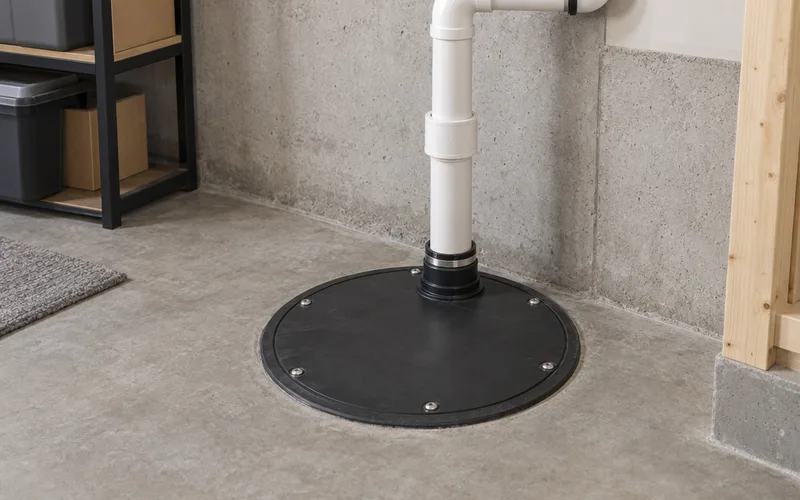
Honda’s approximate wattage chart lists a half-horsepower sump pump at 1,050 running watts and 2,150 starting watts. The chart is a starting reference; use your pump’s actual specifications before buying.
Furnaces, air conditioners and heat pumps
Include the electrical loads of a fuel-fired furnace, even though its heat comes from gas or oil. Your furnace backup plan needs a safe way to connect it.
Don’t assume you can just plug it in.
For air conditioning, ask how much current the compressor draws at startup. Ask about approved soft-start kits too.
Have an installer check your system before you buy a smaller unit to run it.
A heat-pump sizing check should include any auxiliary electric heat that may operate during an outage. Don’t size from the outdoor unit’s cooling figure alone.
Water heaters and other electric heat
Honda lists an electric hot-water heater at approximately 4,500 watts with a 240-volt supply. That one load can change an essential-backup plan substantially.
Decide if you need hot water, a dryer or a range while the power is out. Leaving a large load off may save you from buying more power than you need.
Match the output, connection and fuel
Enough watts alone won’t make a unit fit your needs. Check that your chosen loads can get the volts they need through a safe connection.
Step 6: Check the connection limits
Have a licensed electrician match the unit to your inlet, transfer switch and chosen circuits. Check each outlet’s limits and how loads are split.
The total watts may fit while one outlet carries too much.
Your home generator installation plan needs an approved way to switch power sources. Never connect a generator through a household outlet to feed the home’s wiring.
Step 7: Read the rating for your conditions
Check output on your chosen fuel. Do not assume the gasoline rating applies to propane or natural gas.
Check the manual for output changes due to heat or height above sea level.
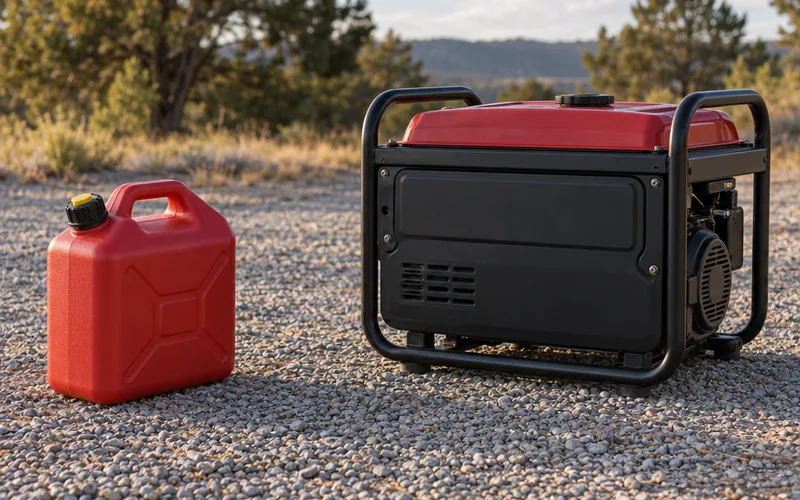
Fuel planning also includes the load used for a runtime claim. A test at a light load does not promise the same hours with your own loads.
When comparing generator fuel consumption, keep the fuel quantity and test load beside the runtime figure. Plan where you will get fuel during a long power cut.
Confirm the plan before an outage
Keep your load list, running total, startup checks and wiring needs together. A dealer or electrician can check a unit against that list.
They won’t have to guess from the size of your home.
The Consumer Product Safety Commission says portable generators must operate outdoors at least 20 feet from buildings, with exhaust directed away from doors, windows and vents. Never run one indoors or in a garage, even with the doors open.
CPSC also recommends working CO alarms on every level and outside sleeping areas. Your generator safety plan needs a safe site, alarms and steps for wet weather.
If you depend on medical equipment, ask its supplier and your care team about compatible backup power and interruptions. Even with enough watts, you need time to start the unit, fuel and a safe way to connect it.
Confirm that whole plan before you rely on it.