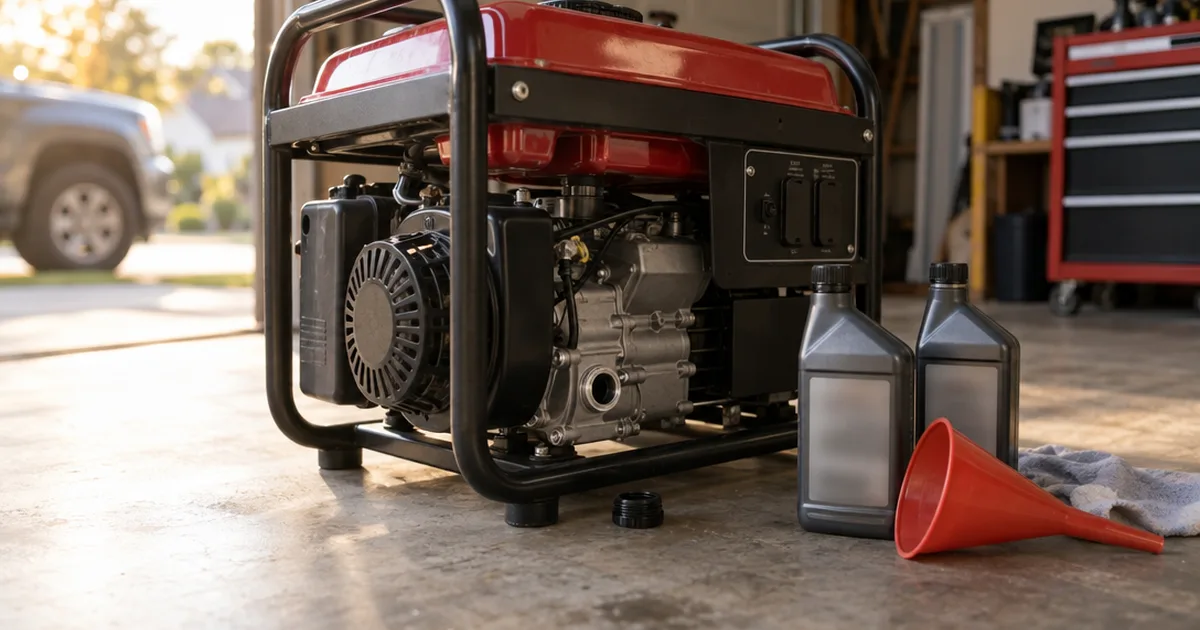

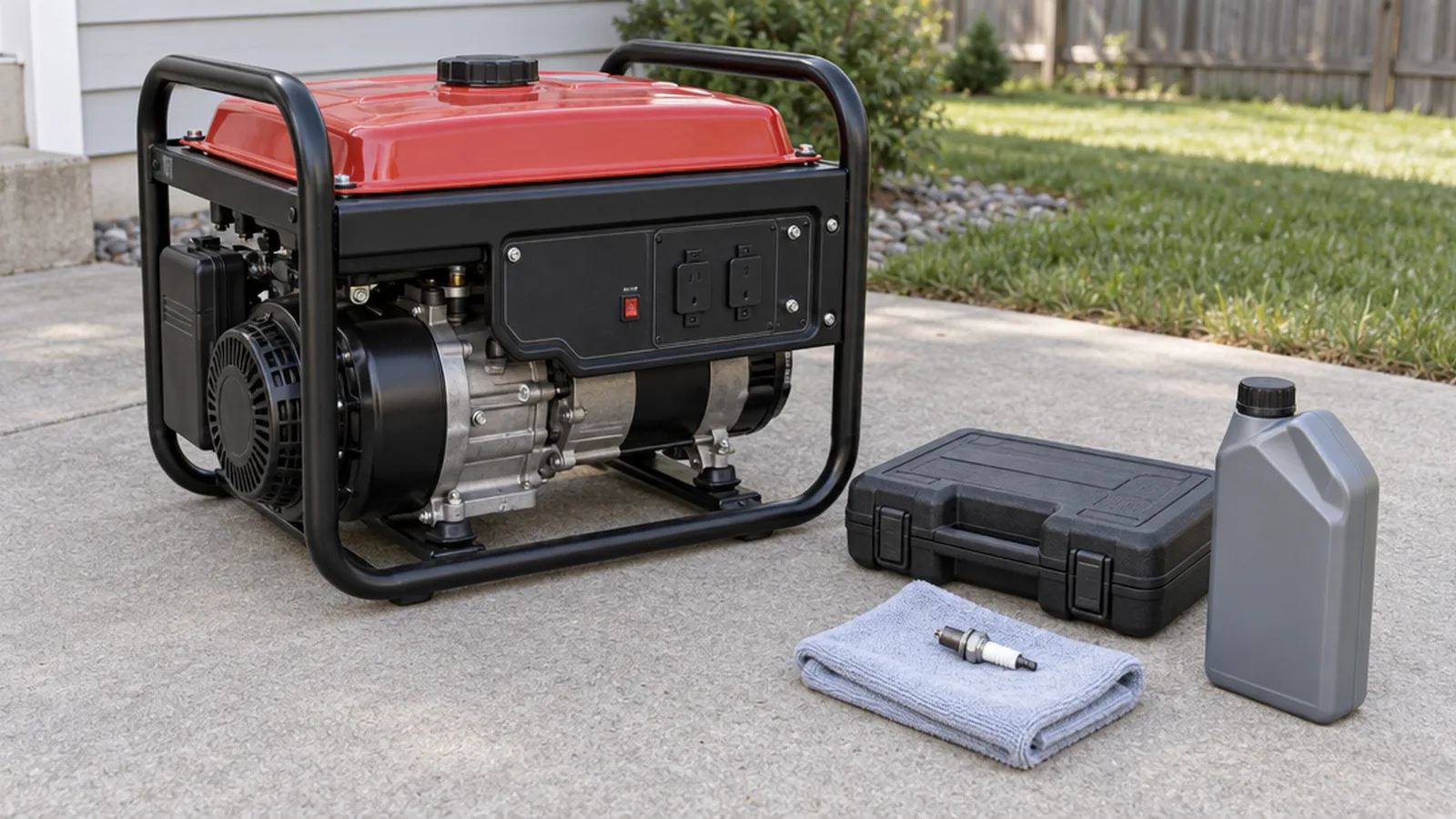
In this guide, I’ll show you exactly what home generator maintenance involves, how often to do each job and which tasks belong to a technician.
Why does that matter? A generator can sit for months between outages, and problems like low oil or stale fuel stay hidden until you try to start it.
Let’s dive right in.
What Generator Maintenance Actually Covers
Generator maintenance is the routine care that keeps the engine, fuel system and electrical parts ready to start. For most home units, that means:
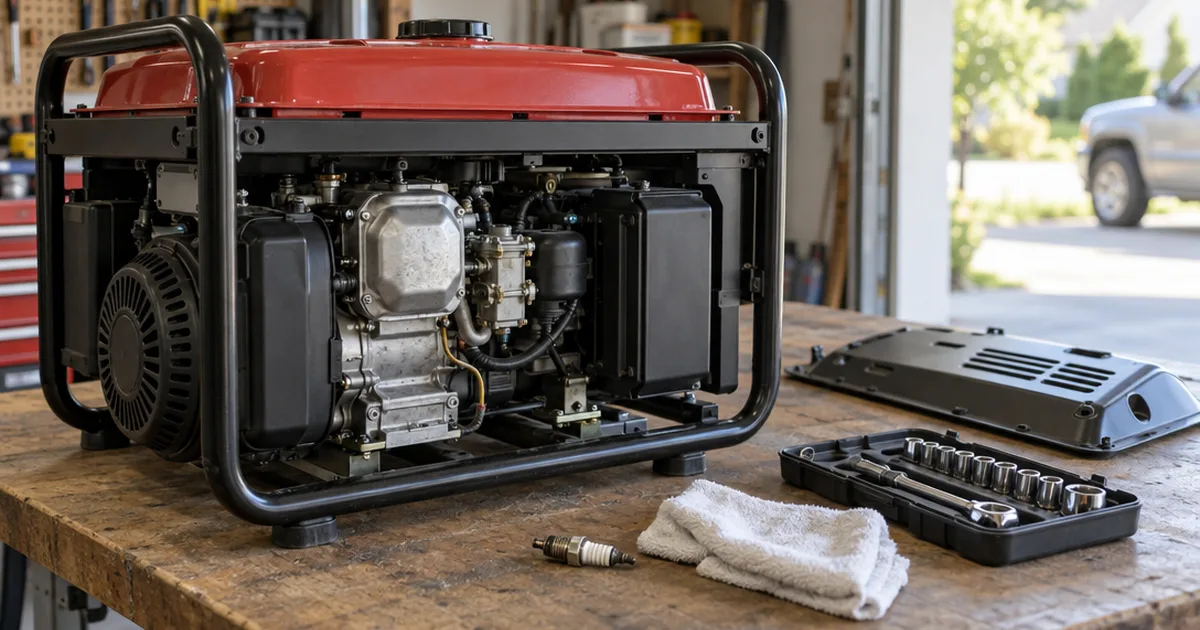
- Oil and oil filter changes
- Air filter checks and replacement
- Spark plug inspection
- Fuel care, so old gas doesn’t cause trouble
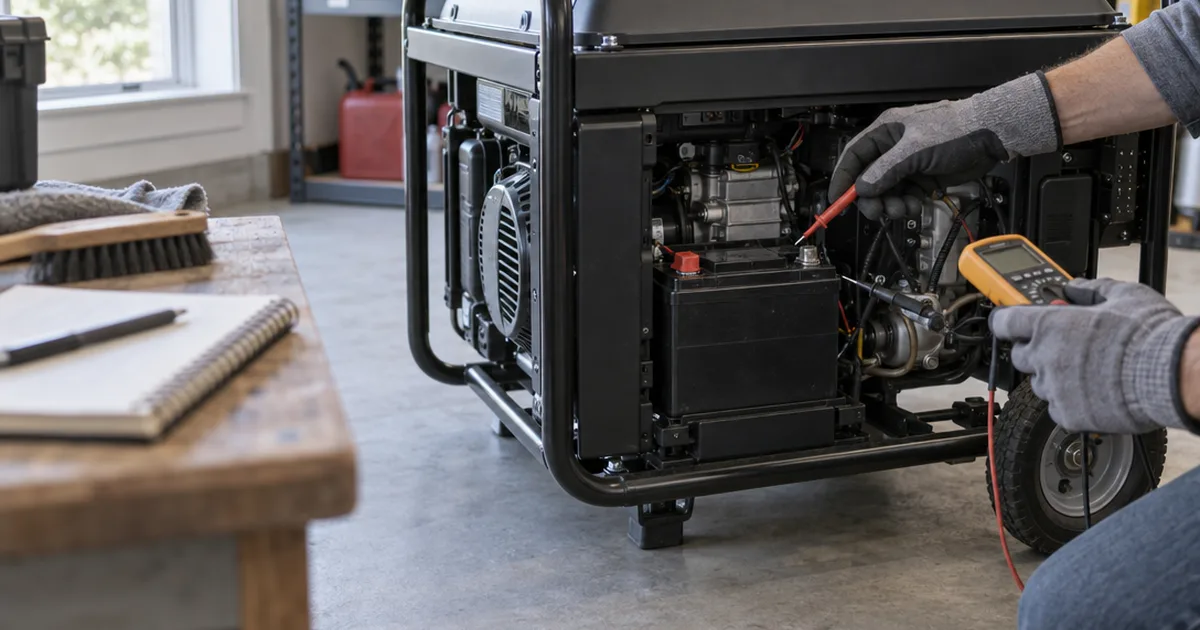
- Battery checks on electric-start and standby models
- Test runs that prove the unit starts and runs
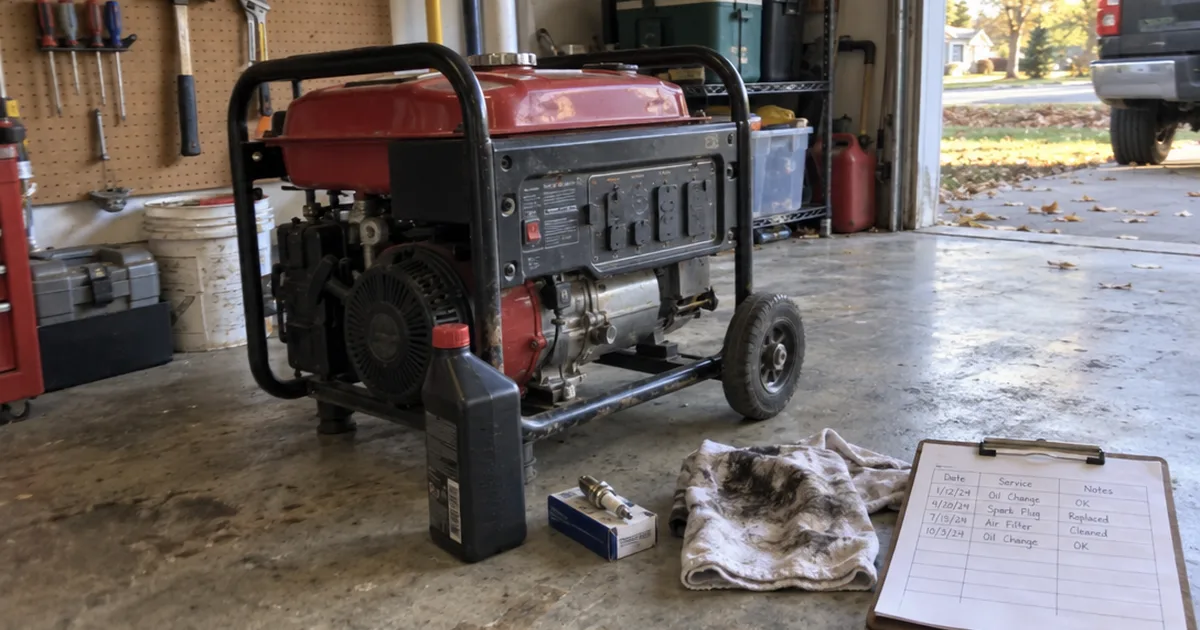
Your owner’s manual decides the exact parts, oil grade and intervals for your model. Build those into a dated maintenance checklist so nothing depends on memory.
How Often Should You Service a Generator?
Here’s the deal: there’s no single interval that fits every generator.
Even service guides disagree. One dealer suggests changing the oil and filter every 100 hours or once a year, whichever comes first.
A parts seller suggests every 50 to 200 hours or every two years instead.
So which one is right? The generator maintenance schedule in your manual wins, because it was written for that engine.
Track Hours and Dates Together
Most intervals come with two limits: running hours and calendar time. Log both, and treat a job as due when either limit arrives first.
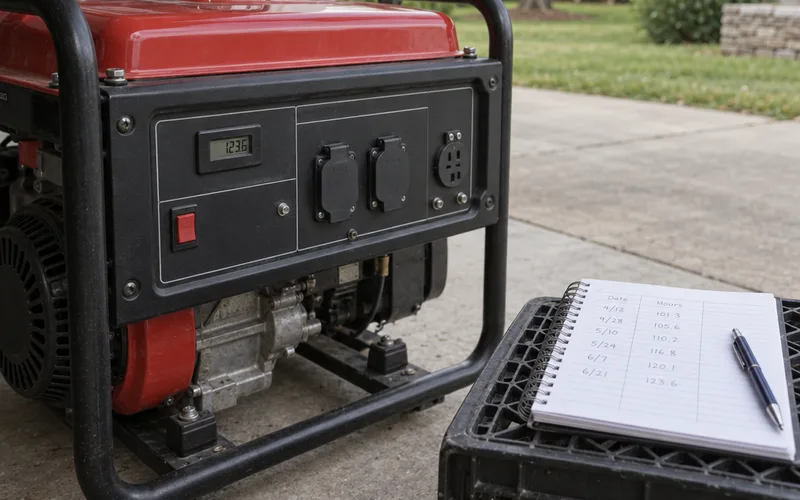
That second limit matters after a long outage. A week of nonstop running adds about 168 hours, so check the hour meter before you put the unit away.
Don’t Skip the First Service
Some manuals set an earlier first oil change while a new engine breaks in. Follow the break-in procedure for your model, then switch to the normal schedule.
Portable Generator Maintenance
Portable units need the most hands-on care, since you’re the one running them. Before each use, check the oil level, because running low can badly damage the engine.
Then work through the parts that wear out:
- Oil: change it on schedule with the grade your manual lists, since the right generator oil depends on the engine.
- Air filter: a clogged filter strains the engine, so clean the air filter when it’s dusty and replace it when it’s damaged.
- Spark plug: a worn plug can cause rough running or a no-start, so plan a spark plug replacement when your manual calls for one.
Test runs need the same care as outage use. Run the unit outdoors and well away from doors, windows and vents, following the same generator safety rules you’d use in a storm.
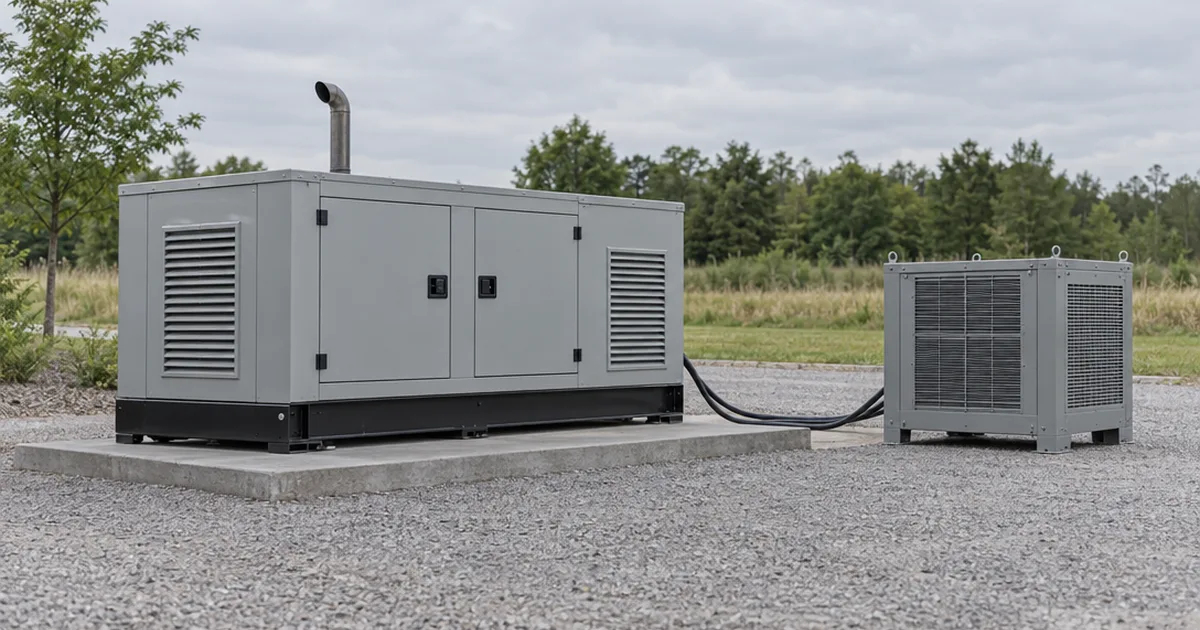
Standby Generator Maintenance
A home standby generator starts on its own, so its care centers on proving that automatic system works.
Most units run a scheduled exercise cycle with little or no load. That run shows the engine starts, but it doesn’t prove the generator can carry your house.
Next comes the transfer switch, which detects an outage and starts the generator. Have a pro handle transfer switch maintenance, including inspection and testing.
Control panel error codes for low oil, overheating, overcrank or a weak battery tell you where to look. Regular starting battery care helps prevent that last one.
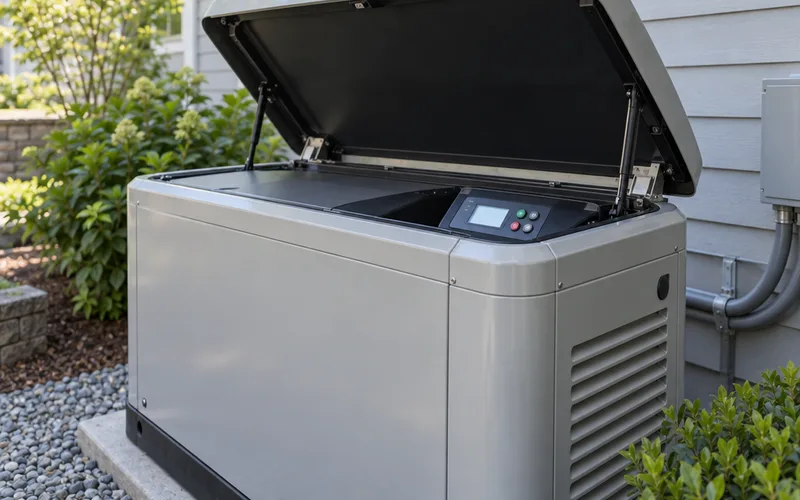
Pro Tip: A load bank test simulates electrical loads to check how the generator handles them. Ask your dealer whether a load bank check makes sense for your unit.
If you own a Generac standby generator, a dealer kit bundles the parts for each round of Generac maintenance.
DIY vs. Pro: Who Should Do What?
You can usually handle oil changes, air filters, spark plugs and fuel care. You can also look over fuel lines, battery cables and visible wiring for damage.
Leave electrical work and anything inside a standby enclosure to a technician. That includes transfer switch testing, wiring repairs and valve adjustments, which show up in some standby service routines.
Dealers also suggest a pro checkup now and then, especially after a new install. Compare quotes on the same scope of work when you check generator maintenance cost, since prices vary by unit and region.
Fuel and Storage
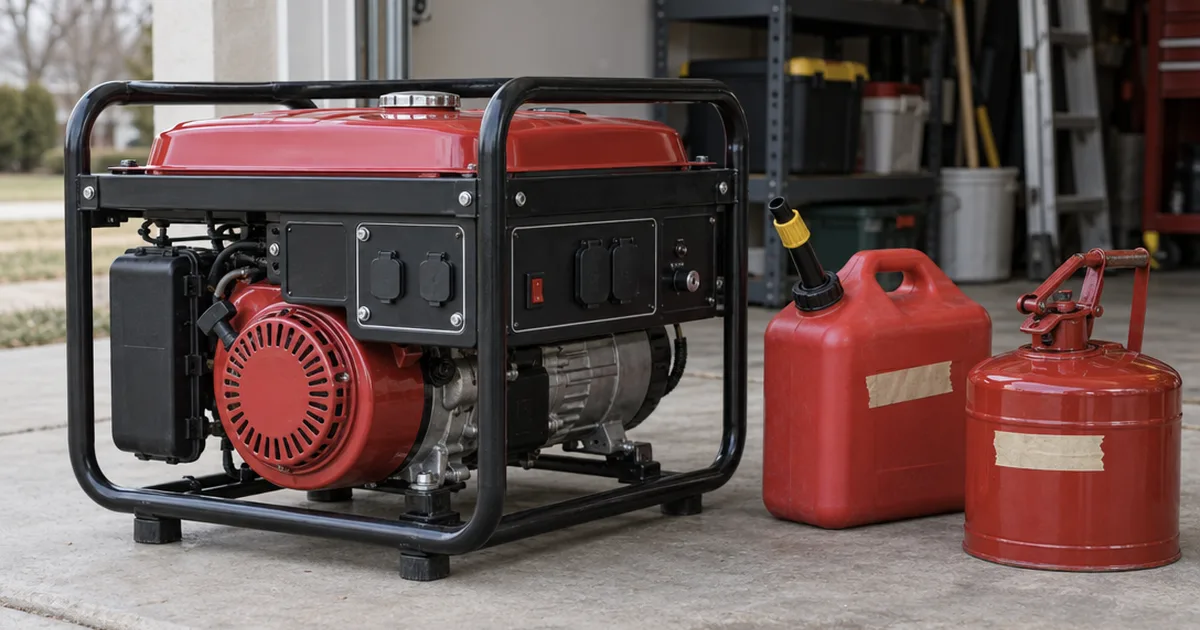
Stale fuel is a real problem for gasoline and diesel units, while natural gas models have far less to worry about. Fresh, properly stored fuel helps the engine start when you need it.
Plan your fuel storage before an outage, not during one. When the season ends, follow the steps to store a generator so it starts cleanly next time.
When Maintenance Turns Into Repair
Routine care can’t fix everything. If the unit won’t start, surges or shows the same error code twice, stop and diagnose before you swap parts.
Start with generator troubleshooting by symptom. When a job goes beyond your manual, hand it to a shop that handles generator repair.
Your Next Step
Bottom line: a generator is only as ready as its last service. Pull out the manual, log today’s hour reading and note the next due job.
Which task on this list are you going to tackle first?