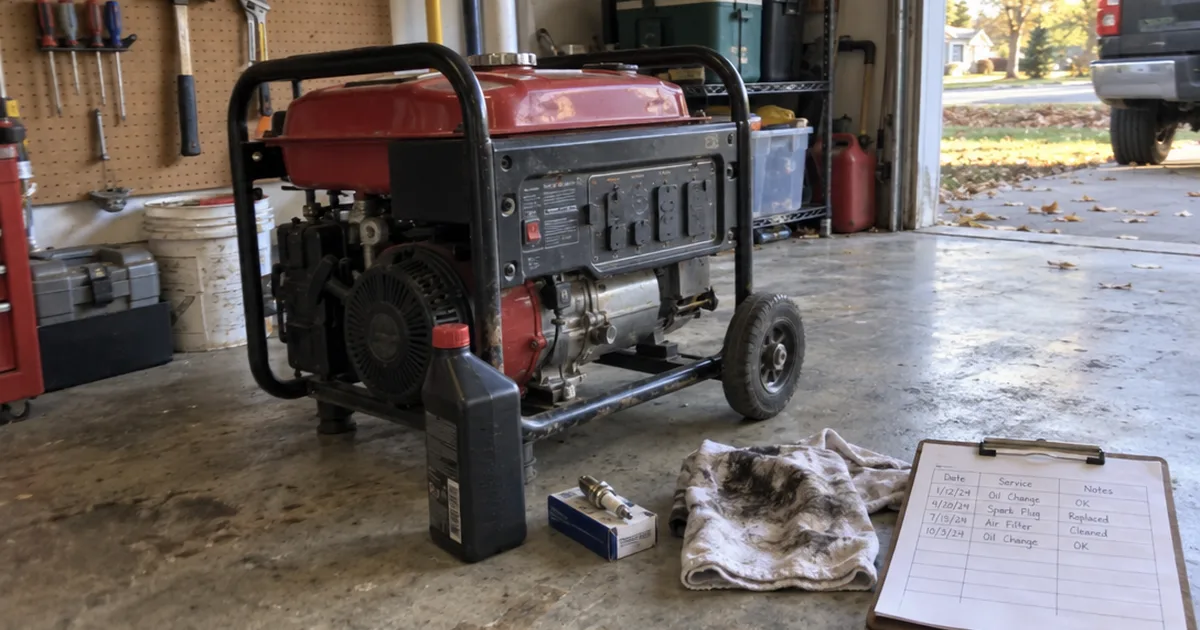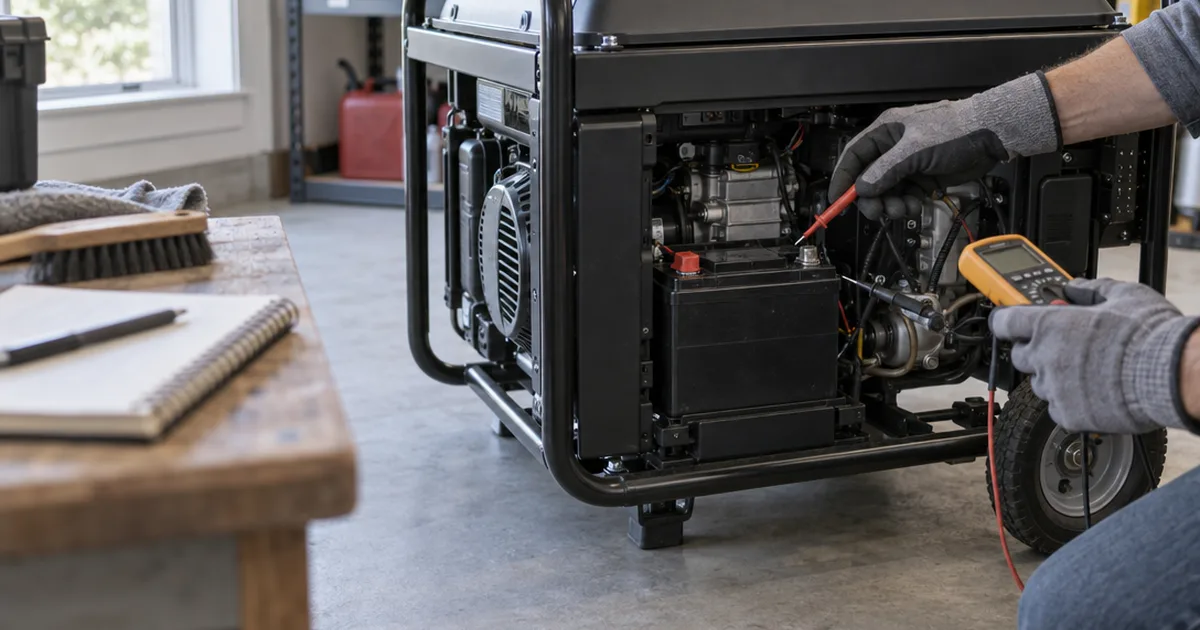
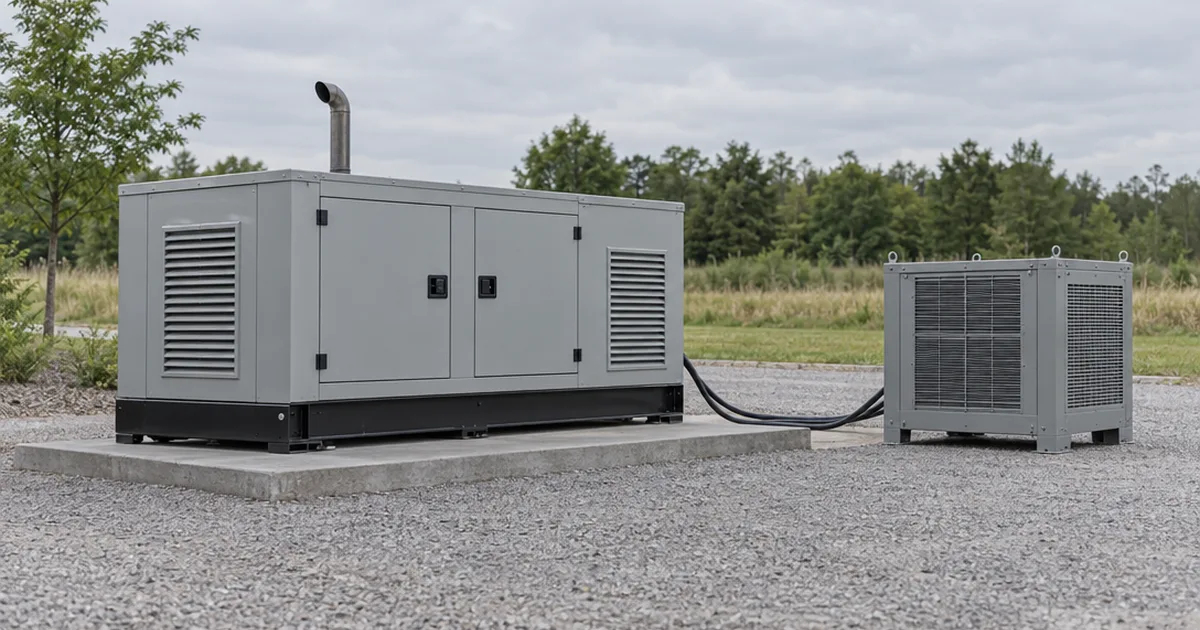
Your generator may start on schedule yet still leave you unsure how it will behave when your home needs power. A generator load bank test should answer that question with measured results, not just a brief engine run.
This walkthrough explains how to arrange the test, what happens during it and how to read the report. The electrical connections and load controls belong with qualified technicians; your part is making sure the test answers the right question.
How to arrange a generator load bank test step by step
Decide what you need to learn from the test. It might check rated power, trace a fault or check the set after a repair.
That goal guides the gear, run time and readings, keeping the test focused on your power supply and reliability needs.
Step 1: Gather the generator details
Send the service team your model number, fuel type, rated power and past service records. Include any alarms, shutdowns or problems you’ve noticed during an outage.
Use the rating for the fuel and test conditions. A starting or surge figure is not the power a generator can supply for the full run.
If your household needs have changed, review your running and starting loads before discussing the test. An output test and a decision about which appliances to support answer different questions.
Step 2: Define the test boundary
Ask whether the test covers the generator alone or also the gear that sends power to your home. A load bank draws a set amount of power at the generator’s output without using your home appliances.
That setup gives the team control of the electrical load. It may leave the transfer switch and house circuits outside the test.
Ask how your home backup connection will be checked if you need proof that power reaches the right circuits.
A building load test uses the actual connected loads instead. Those loads reflect the home in use, but they may not draw enough power to check the full rating.
Step 3: Agree on the load plan
Get the test parameters, including load stages, hold times and pass criteria, in writing before the visit. The plan should name the rating used and the readings taken at each stage.

For illustration, 50% of a stated 20 kW output is 10 kW. That example shows how the math works; it does not tell you to apply 10 kW to your set.
Don’t copy a 25%, 50%, 75%, 100% sequence from another installation. The stages and run time must suit your generator, the test goal and the rules that apply.
Step 4: Prepare the site for the provider
Have the manual and service records ready, and tell the team about access limits or nearby homes and workspaces. Agree on backup downtime and who needs notice before work starts.
Use your maintenance checklist to sort your records, not to start repairs you have not done before. Report a leak, damaged cable or known fault so the team can decide if the test should wait.
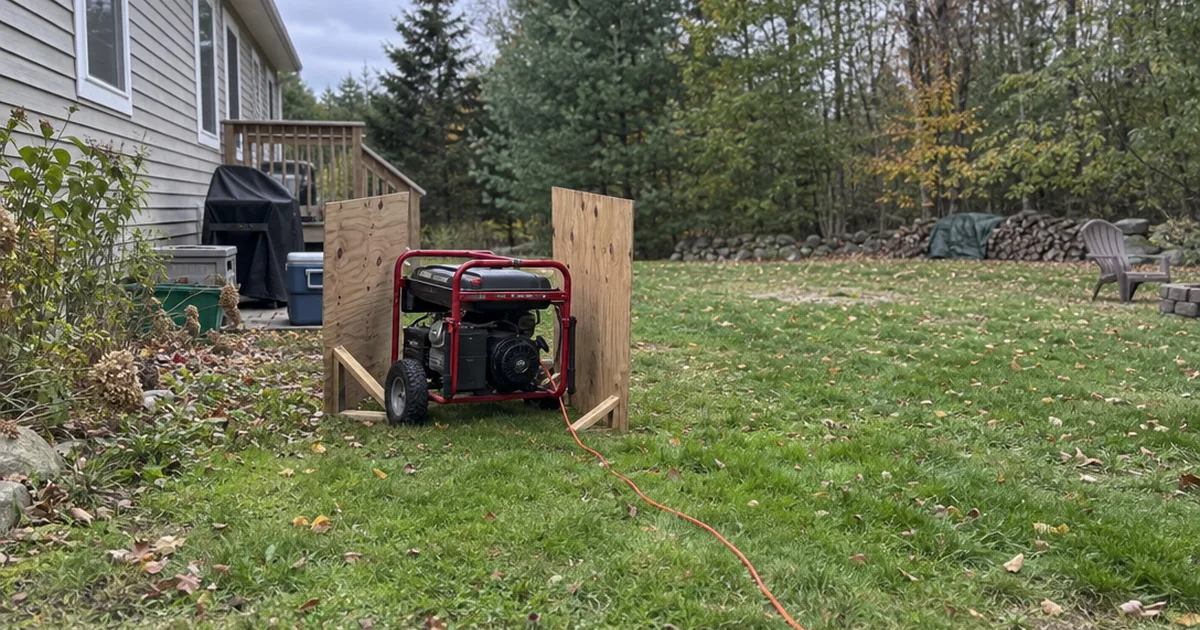
For portable equipment, CPSC advises operation at least 20 feet from the house, outdoors, with exhaust directed away.
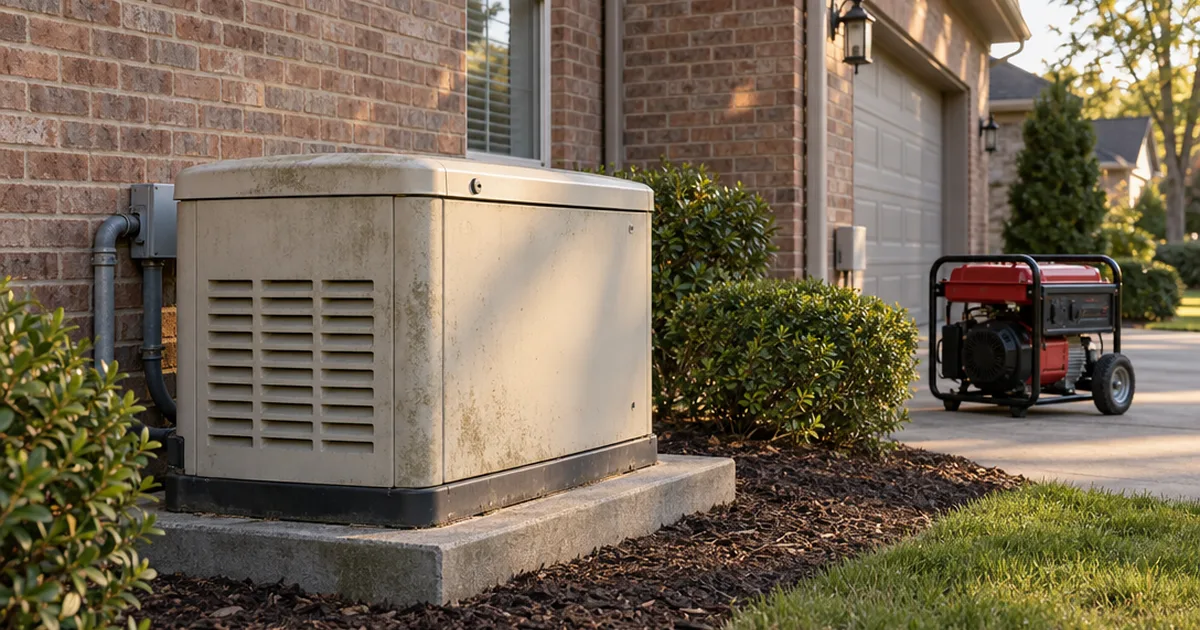
For a fixed standby generator, follow its own siting instructions. The portable advice is not a rule for moving a fixed unit.
Step 5: Let the technicians connect and test
Technicians should choose gear that suits your set and plan how to connect it safely. Let them choose the cables, safe connection points and protective gear.
Once the setup is ready, the team applies the agreed electrical load and notes how the generator responds.
Useful readings may include voltage, current, frequency, power output and voltage regulation. The team may also note how the engine, air intake, cooling, fuel and exhaust system behave.
Ask the team to note the load and time of any alarm or shutdown. Without those details, a fault is harder to compare with a later test or a problem during an outage.
Step 6: Confirm unloading and return to service
The end of the loaded run is not the end of the service visit. The team must still remove the load, let the gear cool and shut it down as its manual directs.
Ask how the set was left and whether it is ready to supply backup power. If a fault keeps it out of use, you need to know before the team leaves.
Step 7: Read the report before accepting the result
Ask for the load reached, run time, readings, alarms and test result, with any limits stated. Cummins says its performance testing results are documented in writing, which is a useful expectation to discuss when booking service.
A statement such as “ran successfully” leaves too much unanswered. You need the electrical load the generator carried and the parts of the backup system tested.
Keep the report with your generator maintenance records. Those records help the next service team if output changes or a new fault appears.
What equipment does the test need?
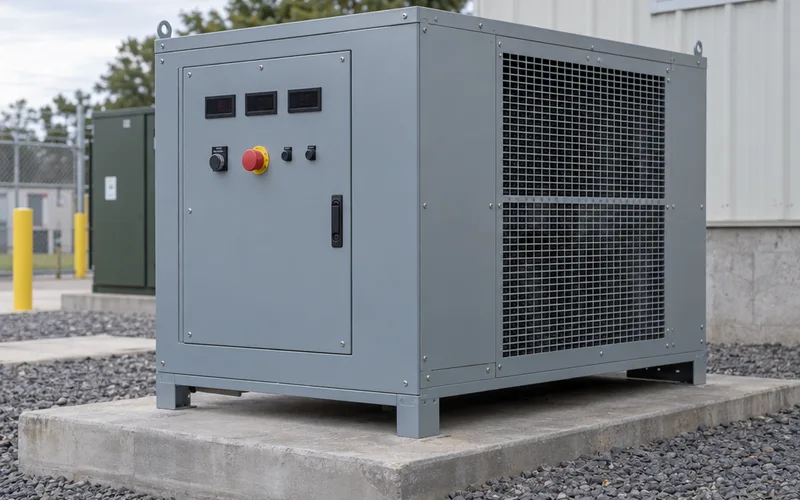
The service team needs a load bank that suits the generator’s output and the test’s goal.
Size is not the only factor. Ask about voltage, phase, frequency, load control and where the gear will connect.
A resistive test draws real power and turns it into heat. A resistor uses electrical energy.
The load bank sets the demand, rather than relying on appliances turning on and off.
That heat needs space and airflow, so the plan must state where the gear will go. Ask where the hot air will discharge and which areas must stay clear during the run.
Resistive or reactive load banks
A resistive load bank is one option for applying controlled demand to a generator. Ask what that choice will check and which output rating the team will use.
Reactive testing can use inductive or capacitive loads to represent demands from devices such as motors and transformers.
With an inductive load bank, current lags behind voltage. That helps test load behavior a resistive-only setup does not reproduce.
Some equipment combines both types. Trystar’s resistive-reactive load banks offer a 0.80 power factor load for testing large systems at their rated kVA and power factor.
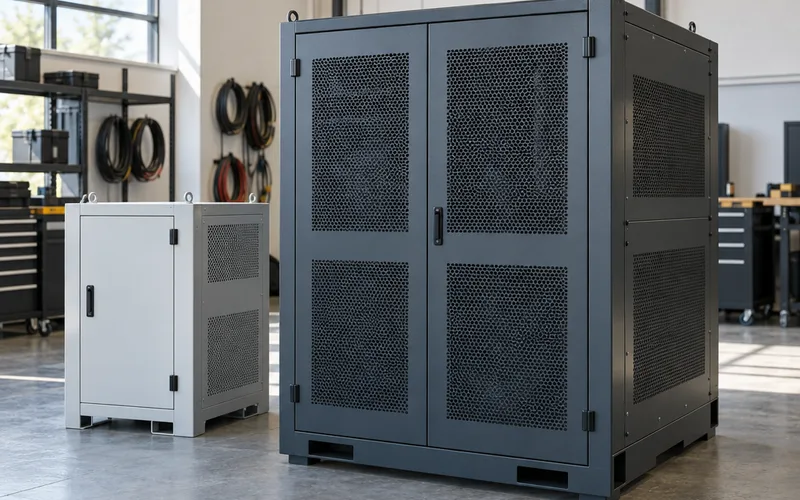
That product example explains why a test described in kW is not automatically the same as a rated-kVA test. It does not mean a home generator needs that industrial model or that every test should use a 0.80 power factor.
A data center may need a different test scope from a house with selected backup circuits. Tell the team what your backup generators need to power before choosing a load-bank type.
Portable equipment, permanent equipment or rental
A service team may bring a portable load bank for a one-off test. Fixed gear can suit sites that need frequent tests or extra load.
Ask first whether the team brings the gear as part of the service. Renting gear does not give you the skills to connect it safely or read the data.
Get a quote that lists delivery, setup, staff time and reports where each has its own charge. We had no verified price data for this article, so compare quotes for the same test scope.
What a load bank test can and cannot prove
A test shows how the generator ran under the load and conditions noted that day. Those conditions need to match the question you asked.
An isolated test may reveal an output problem without testing the home’s transfer path. A building load test may show that some circuits work without checking the full rated output.
Ask for both scopes when both questions matter. The team can explain whether you need two tests or one plan that checks both.
A steady load also differs from equipment switching on and off during normal use.
If you need to know about one appliance starting, tell the team. A steady-load result may not settle that question.
Your report should make these limits visible. Do not turn a pass under one stated condition into a promise that every future outage load will work.
Why diesel generators need attention at low load
Diesel engines can develop wet-stacking when they run for long periods with little demand. Cummins links extended low-load operation to the problem: the engine may not reach the heat it needs to run well.
Cummins advises adding resistive load from time to time to reduce the effects. Ask the team if that advice applies to your diesel unit and fits its service manual.
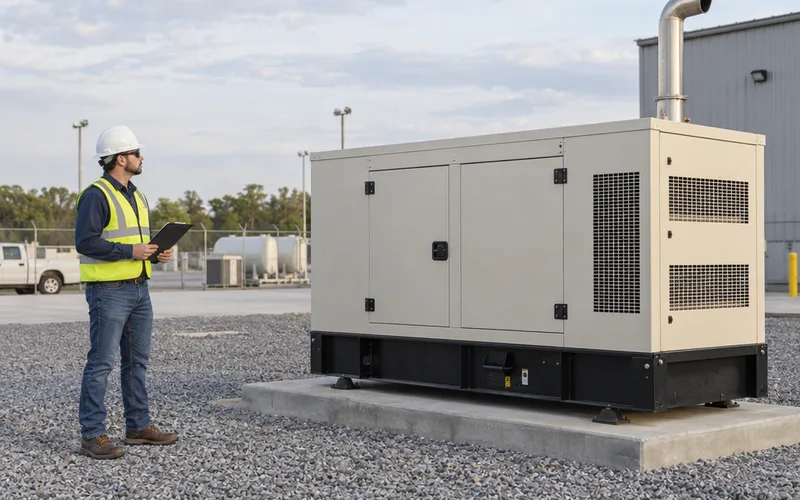
Don’t use generator wet-stacking symptoms as a reason to improvise a heavy load or bypass an alarm. The team must check the fault and choose a safe method before adding load.
This diesel problem does not explain all home generator faults. Fuel type, model and the actual symptom still matter when deciding what to test or repair.
How often should you book testing?
Start with the manufacturer’s instructions and the service plan for your installation. Ask why the team suggests that gap between tests, especially if they say it is required.
Service pages often discuss yearly tests and compliance with standards. That does not set the same schedule for all home generators.
If regulations apply, ask for the full rule, not just its name. The standard in use, your system type and the body in charge may affect what the test must prove.
NFPA 110 and four-hour tests
Ask which edition of NFPA 110 applies and which provision calls for the proposed test.
We could not verify the load stages or times for the current edition from usable primary text. Ask for those details in your plan.
A four-hour label alone leaves important details missing.
The plan needs loads, readings and pass criteria. It should also say whether it covers the full emergency power system.
Do not copy a data center test schedule just because its generator looks like yours. Ask which work is for compliance and which is an optional output check.
Common mistakes when arranging the test
Treating an exercise run as a capacity test: A start confirms only what was observed during that run. Ask whether a meaningful electrical load was applied and recorded.
Mixing ratings: A percentage needs a stated base rating. Confirm the fuel, output rating and units before comparing two reports.
Leaving the house connection untested: Generator output and power reaching your circuits are separate questions. Get the transfer equipment’s test scope in writing.

Accepting an unexplained fault: An alarm should have a recorded condition and a next action. If the generator showed surging under load, ask whether that symptom affected the result.
Buying equipment before defining the job: Test capacity, connection needs and staff expertise belong in the plan. A larger load bank does not make an incomplete test more useful.
Safety and follow-up after a failed test
Keep people away from test connections, hot discharge air and the generator’s exhaust path to reduce risk. Discuss your generator safety needs before the visit, especially near homes or workspaces.
If something seems wrong, tell the technician. Stay back from the gear.
The team must decide if the test should stop and how to leave the site safe.
After a failed test, ask what went wrong, what still works and what needs repair. Plan qualified generator repairs from those findings, and ask if the set needs a retest once fixed.
Keep the failed and later reports together, including the conditions of each run. That data helps show whether the fault was fixed, not just left out of the next report.
Frequently Asked Questions
How often should a generator be load bank tested?
Use the schedule for your model, installation and service agreement. Ask whether applicable regulations require a particular test; an annual recommendation from a service company is not a rule for every home generator.
What are the NFPA 110 generator load bank requirements?
Ask your provider to identify the adopted edition, the system covered and the exact test requirement. This guide does not verify an edition-specific schedule, so it cannot establish NFPA 110 compliance for your installation.
Does a generator need a load bank?
A load bank helps when you need controlled demand that your normal loads cannot provide. Your service provider should decide whether the job needs a load bank, a building load test or both.
What are the requirements for a 4-hour generator load test?
Get the written requirement that applies to your system before booking the test. Four hours alone does not define the load levels, measurements, acceptance criteria or equipment included.
What is load bank testing generator?
It means drawing a controlled electrical load from a generator to observe its performance. The test can assess output and engine behavior, but its scope determines whether the home connection is checked too.
What is the 80% rule for generators?
An 80% loading guideline and a 0.80 power factor describe different things. Neither number, by itself, defines the correct load bank test for your generator.
How much is a load bank for a generator?
No verified price benchmark was available for this article. Request a quote that states capacity, delivery, connection work, technician time, test duration and reporting.
What is the 20/20/20 rule for generators?
Ask which rule the person means rather than treating the phrase as a test standard. CPSC advises portable generators outdoors at least 20 feet from the house, with exhaust directed away; that advice does not set a load-test duration.
How do you perform load testing?
A qualified provider selects compatible equipment, prepares a safe connection, applies the agreed load stages and records performance. The provider then removes the load, follows the shutdown procedure and reports the results.
Final Thoughts
Ask for a test with a clear purpose, measured results and a defined boundary. Keep that report with your maintenance records, and confirm separately that your home can receive backup power through its installed connection.