
A generator can’t help your house until it’s connected to it. How you connect it decides how safe, fast and costly the job turns out.
This page walks you through home generator installation for portable and standby units, then points you to the guide for each piece.
What does home generator installation involve?
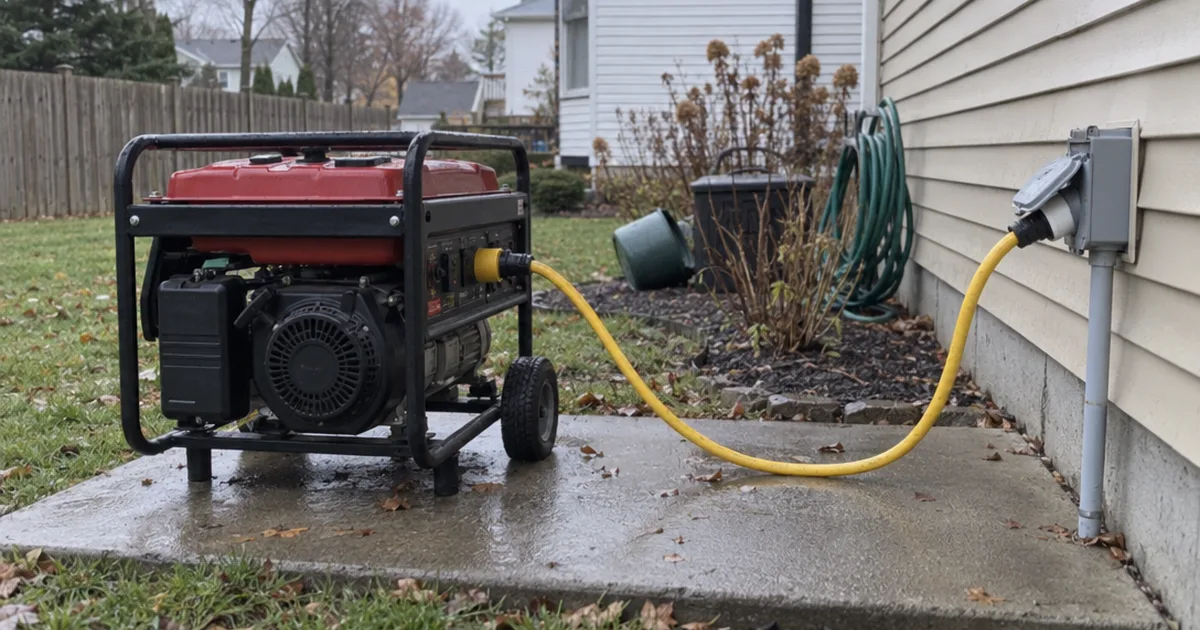
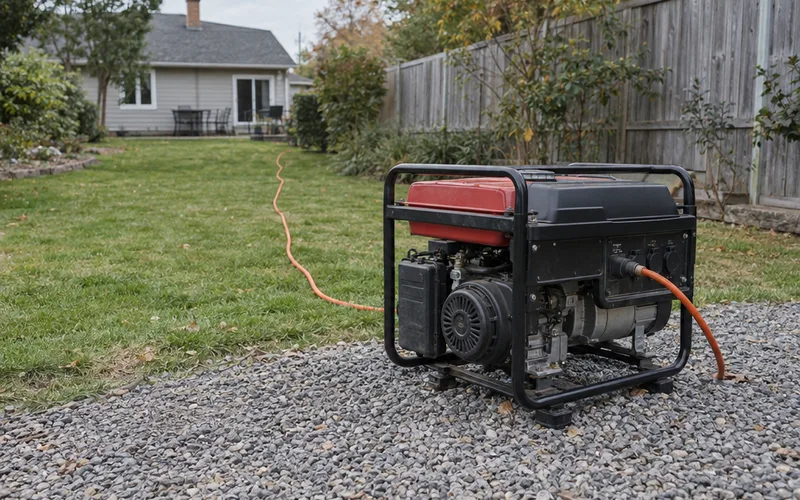
It depends on which kind of generator you own or plan to buy. A portable generator sits outside and feeds your house through a cord, or through a transfer switch or interlock kit wired to your panel.
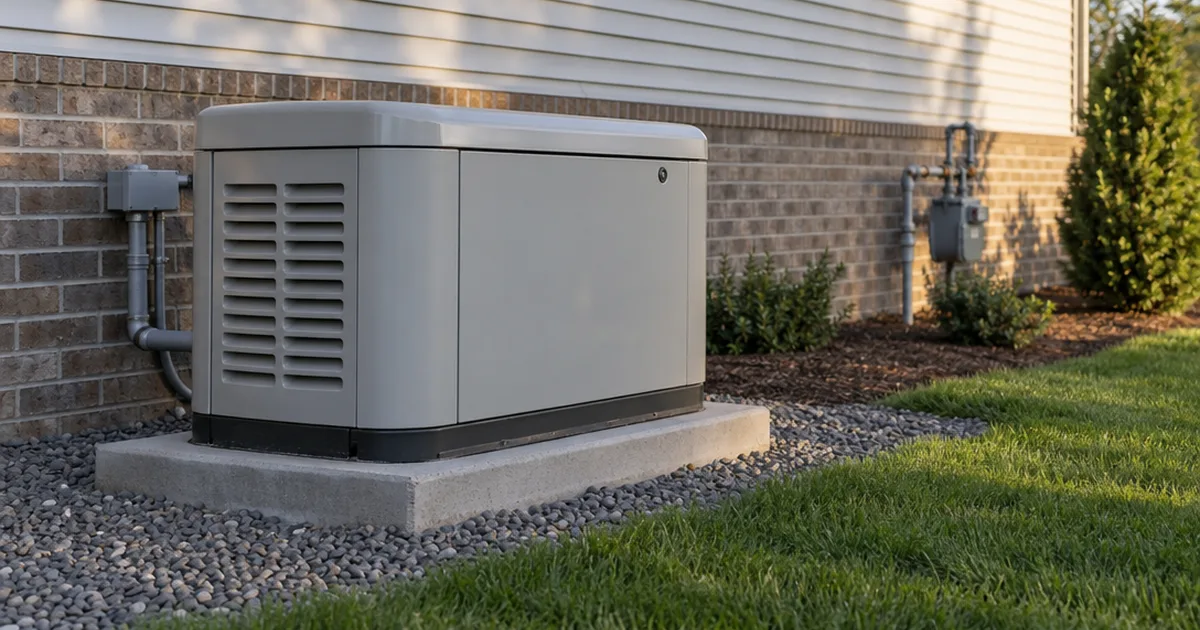
A standby generator is a permanent unit on a pad beside your house. It runs on natural gas or propane, so installation adds gas piping, a transfer switch and often a utility meter change.
Both paths share the same goals: power should reach your key circuits, and nothing should flow back onto the utility’s wires. The generator should also sit well away from the house.
If you’re still deciding which kind to get, start with what size generator you need so the generator matches your key circuits. Installation choices follow from that number, not the other way around.
Plan your essential circuits first
Before anyone drills a hole, decide what you want the generator to run. Most homeowners start with the refrigerator, a few lights, the furnace blower or a window air conditioner, a sump pump and any medical devices.
Say you pick eight circuits. That list shows how many circuits a transfer switch needs and how big the generator should be.
Write the list down and keep it for your installer. An installer can price a job much more accurately from a list of loads than from the size of your house.
Never backfeed through an outlet
Plugging a generator into a wall outlet with a double-male cord is the shortcut people hear about, and it’s the one to avoid.
The Consumer Product Safety Commission calls backfeeding “extremely dangerous.” It puts utility workers and neighbors on the same transformer at risk of electrocution.
It also bypasses some of your household’s built-in circuit protection. Generator Den doesn’t publish instructions for it, and backfeeding is covered here only as a hazard.
Every safe method below solves the same problem with parts that keep the generator and the utility from ever being connected at once.
The National Electrical Code sets the rules for transfer equipment. Your local inspector enforces whichever edition your area has adopted.
Connecting a portable generator
You have three safe options, and each one adds a little more cost and ease.
The simplest is a heavy-duty outdoor extension cord from the generator to each appliance. It needs no house wiring, but you’re limited to its reach, so check the ratings on any generator extension cord.
Running one under a door or through a window is a stopgap, not a plan.
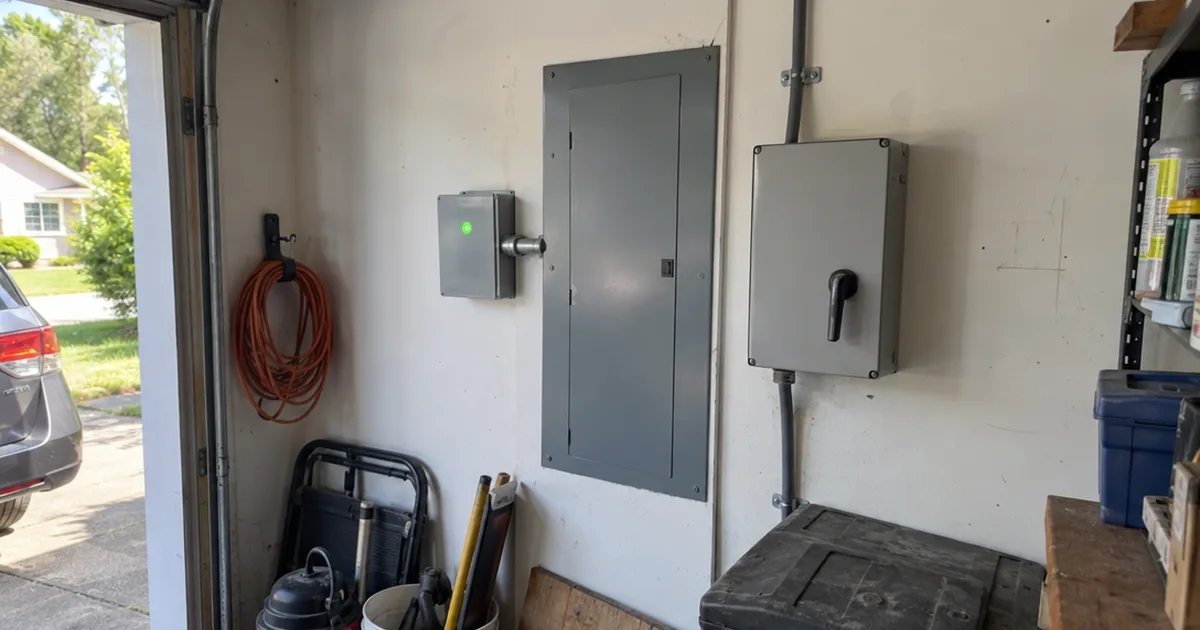
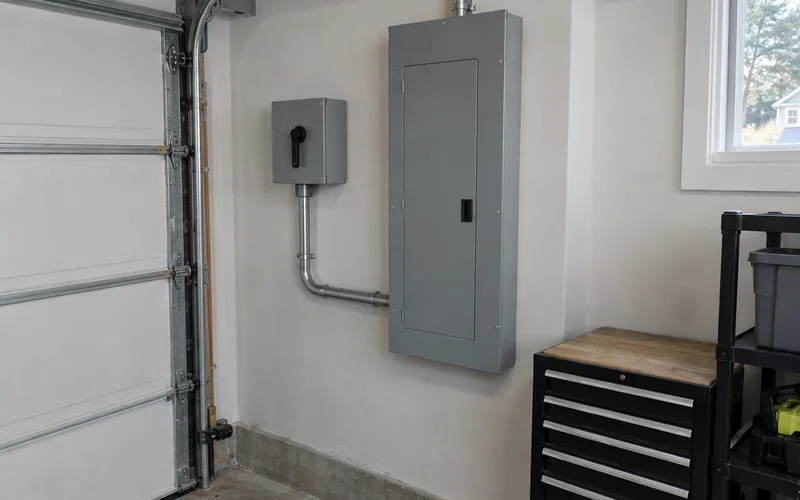
The next step up is a manual transfer switch beside your panel. It powers a chosen group of circuits from a portable generator and keeps them isolated from the utility.
You can compare the types of generator transfer switches before you decide.
The third option is an interlock kit. It’s a plate that stops the main breaker and the generator breaker from being on together, and it must be listed for your panel.
Can’t decide between the two? See interlock kit versus transfer switch.
Both usually connect to the generator through an outdoor power inlet box and a correctly rated cord. The box mounts on an exterior wall, so a wet cord never has to pass through a window.
The inlet box installation page covers that job.
Panel work like this usually belongs to a licensed electrician. How to connect a generator to your house gathers every portable connection method in one place, from cords to interlock kits to transfer switch wiring.
Installing a standby generator
A standby generator is a bigger project, and it moves in a predictable order. Knowing that order helps you read a quote and spot gaps in it.
First comes the site visit. Your installer picks a spot close to both your electrical panel and your gas meter, which keeps new wiring and piping short.
Next come permits. This Old House says that for a permanent generator you may need electrical and gas permits, so ask who pulls them before you sign anything.
Then the crew prepares the site. Generac says the dealer’s local team will prepare the site, often with a concrete slab or pea gravel.
Read more about generator pad requirements.
After the pad, the connections go in. A plumber or gas fitter runs the gas line, so read about generator gas line installation and gas line sizing before the visit.
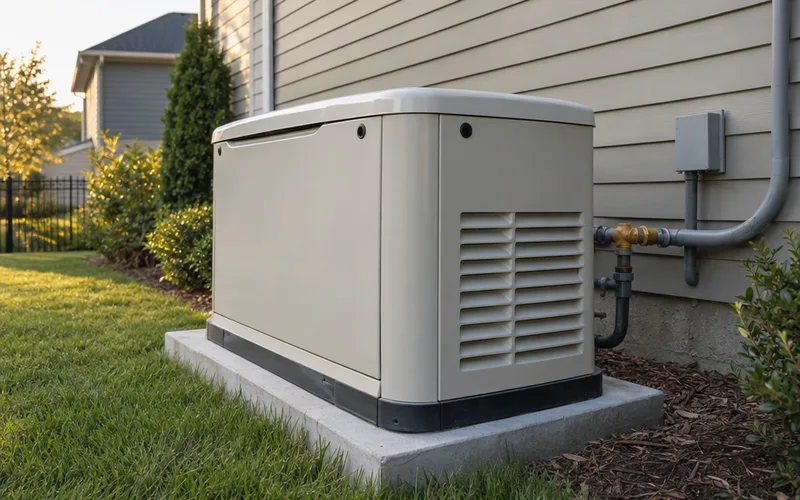
An electrician hard wires the generator to your house and sets the transfer switch beside the main panel.
That switch is what makes the system automatic. When the grid fails, an automatic transfer switch disconnects your home from utility power and connects it to the generator, usually within seconds.
Last come inspection and any utility steps. Your gas utility may need to upgrade your meter, and your building department may want a final inspection before you run the unit.
The calendar matters as much as the checklist. Generac says the installation itself usually takes hours, but preparing for it takes multiple weeks.
Installing a particular brand? See how installing a Generac whole house generator works.
Where to put a generator and how much space it needs
Placement is a safety rule first and a matter of ease second. Exhaust has to stay away from windows, doors and vents, and the unit needs room for airflow and service.
For a standby unit, the NFPA 37 standard sets clearances. Generac’s clearance article summarizes the minimum as 5 feet from openings in walls, such as windows, doors and vents.
The same article lists 5 feet of clearance above the unit and 3 feet at the front and both ends. It adds one caution that matters: always check local codes, because they take precedence over those recommendations.
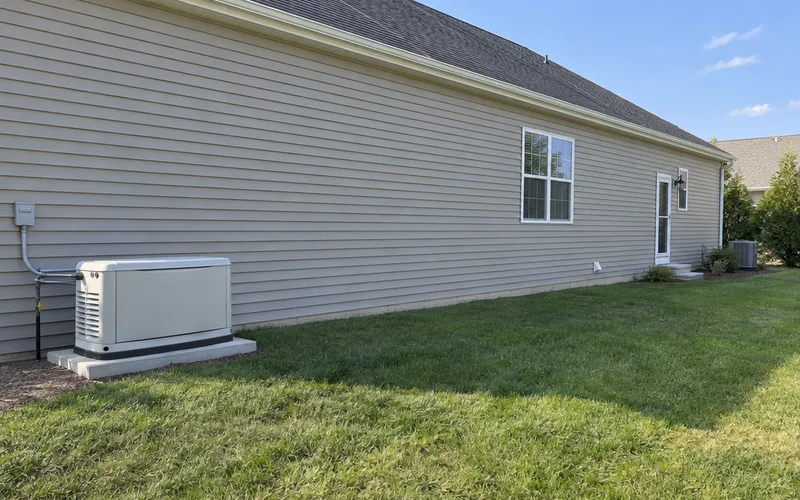
Pad and access matter too. This Old House says a generator should sit on a level concrete or stone surface and stay easy to reach for service.
That rules out a spot behind a locked gate or a tangle of shrubs.
A portable generator follows stricter rules because its exhaust isn’t piped away. The CPSC says to never use one inside a garage, crawlspace or shed, even with doors open.
Put a battery-powered carbon monoxide alarm inside your home too. The Safety section covers running rules during an outage.
Say you like a spot beside the kitchen window because it’s close to the panel. That’s exactly where the clearances rule it out, so a longer run of conduit may be the better call.
Permits, inspections and HOA rules
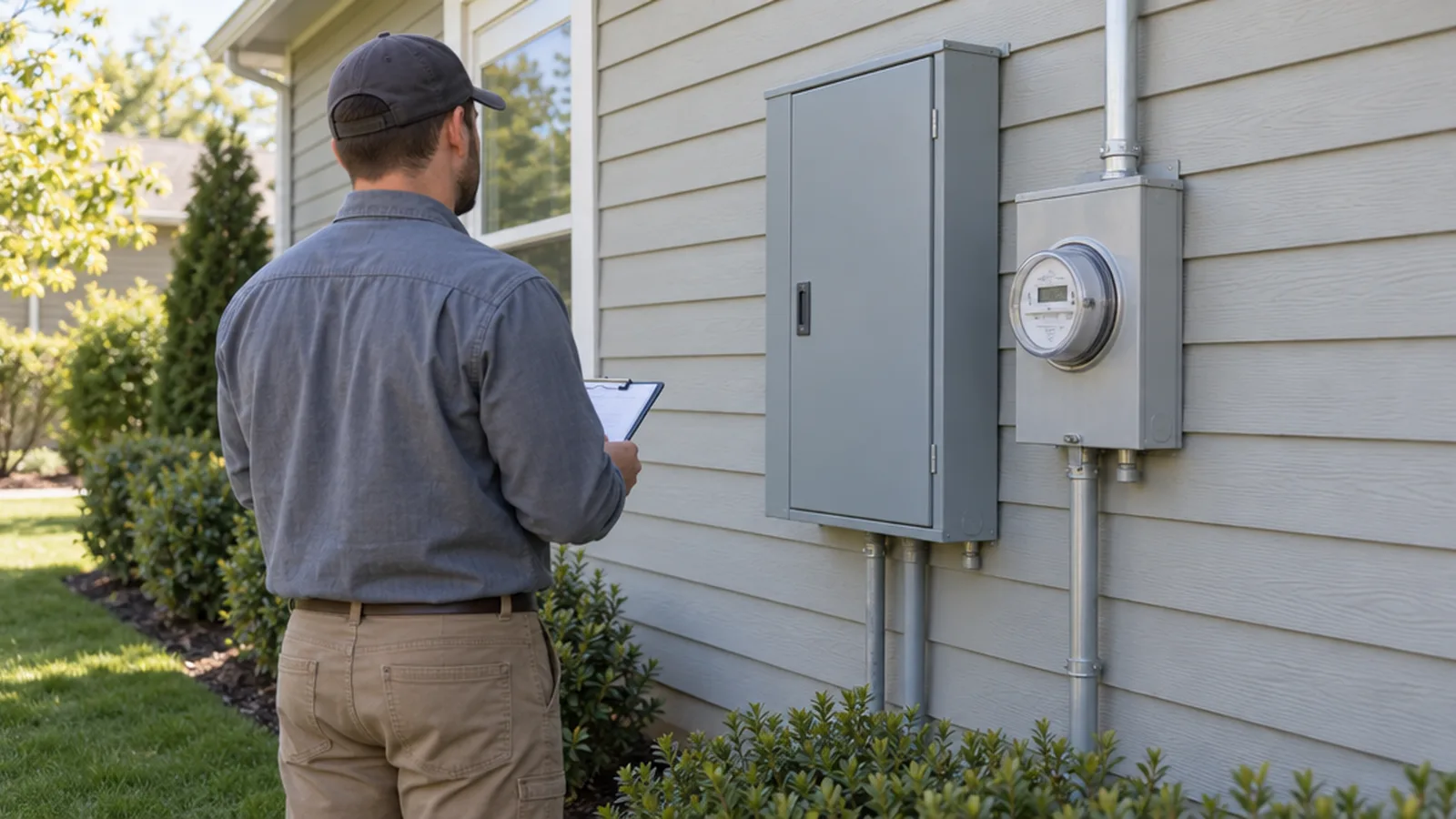
Most jurisdictions want a permit and an inspection for a transfer switch, an interlock, an inlet box or a standby unit. Ask your building department what it requires before you buy anything.
If you’re starting with a portable setup, read whether you need a permit for a transfer switch.
Your homeowners association is a separate approval. Some associations limit where a unit can sit or how loud it can be, so check the HOA generator rules before you plan a pad.
Your utility may also need to know about a standby installation. A short call early on is cheaper than a failed inspection.
DIY or licensed pro?
Here’s the split. You can do the planning yourself: choosing a spot, listing key circuits, comparing quotes, and checking what your local code expects.
Panel and fuel work is different. This Old House says it recommends hiring a licensed electrician for a standby unit, since the project is too complex without years of electrical experience.
Gas line work usually needs a licensed plumber or gas fitter.
With a portable setup, local rules may let you do some of the work. Leave the connection to your panel to a professional.
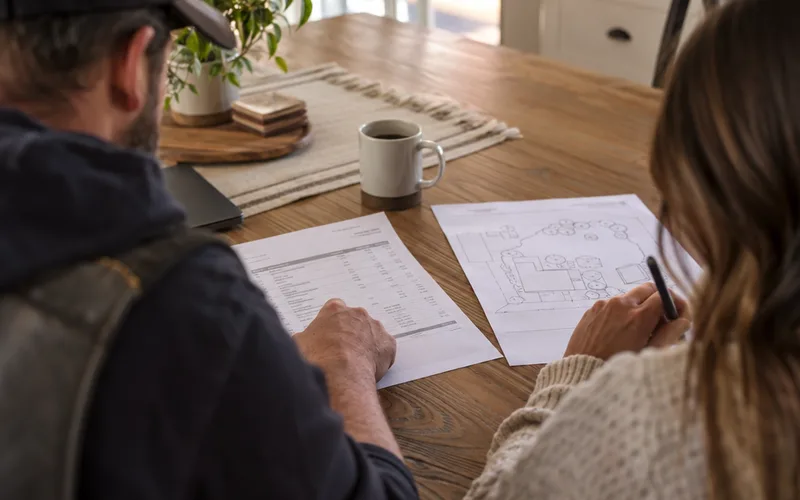
If you do hire out, ask for the permit plan, the transfer equipment model and a written scope. Those three answers tell you more about an installer than a price does.
To find help near you, start with a dealer for your generator brand. A licensed master electrician quoted by This Old House advises you to have a dealer do a site review, since dealers know local codes and permit requirements.
Questions to ask an installer
A good quote answers these before you sign:
- Who pulls the permits, and who schedules the inspection?
- Which transfer switch will you use, and how many circuits does it cover?
- Where will the generator sit, and which clearances did you check?
- Who connects the gas line, and is a new meter or regulator part of the price?
- What does the warranty cover, and who services the unit afterward?
If an answer is vague, ask for it in writing. An installer who knows your local code can usually answer all five in one visit.
Grounding and neutral bonding
Grounding gives fault current a safe path, and it’s one of those details that a manual spells out for your exact model. Whether a portable generator has a bonded or floating neutral changes how it should connect through a transfer switch.
The right setup depends on the generator and on the transfer equipment together. Read both manuals, and have an electrician confirm the arrangement.
For the background, see generator grounding and floating versus bonded neutral. Ask your electrician which setup your generator and transfer equipment call for, and have that answer in writing.
What installation costs
It varies with your home, your area and your gear. Generac says standby installation costs average $8,000 to $16,000 with the generator included.
A portable setup costs far less because there’s no gas line, pad or automatic switch. Most of the cost is the transfer switch or interlock, the inlet box and the electrician’s time.
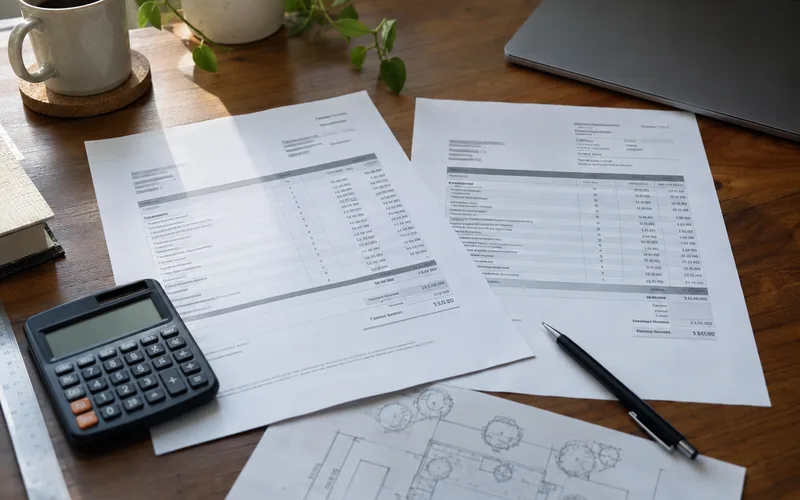
Cost drivers are easy to name even when the total isn’t. These include panel condition, distance to the panel and gas meter, local permits and the site work for the pad.
To estimate your own project, try the whole house generator cost calculator and compare it to transfer switch installation cost. If the total is a stretch, look at home generator financing before you shop.
Testing and caring for the installation
Once the work passes inspection, ask your installer to show you a transfer test. You should see the house switch to generator power and back to the utility without anything tripping.
Write down the date, the model numbers and the installer’s contact details.
Then plan on upkeep, because an idle generator can fail to start when you need it. Generator maintenance covers the oil, fuel and battery checks that keep it ready.
Mistakes that cost homeowners money
A few errors show up again and again.
- Choosing a spot for ease instead of clearances.
- Buying a generator before listing the circuits it needs to run.
- Skipping the permit and finding out at an inspection.
- Using a thin extension cord for a heavy load.
- Forgetting a carbon monoxide alarm inside the house.
Each one is cheaper to prevent than to fix. Most of them come down to deciding the layout before you buy.
Protecting a permanent setup
A standby unit sits outdoors year-round, so weather and noise are part of the plan. Some owners add a shelter or a sound-reducing box to protect it.
Any enclosure still has to respect the manufacturer’s airflow and clearance rules. The enclosures section covers sheds, quiet boxes and weather kits for a permanent setup.