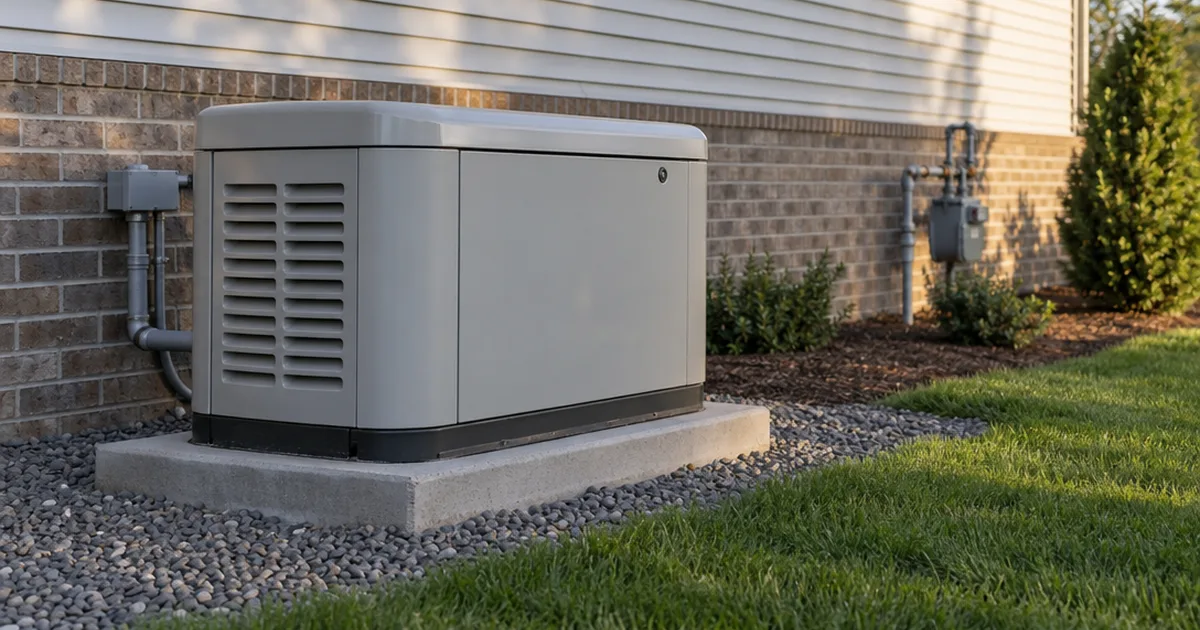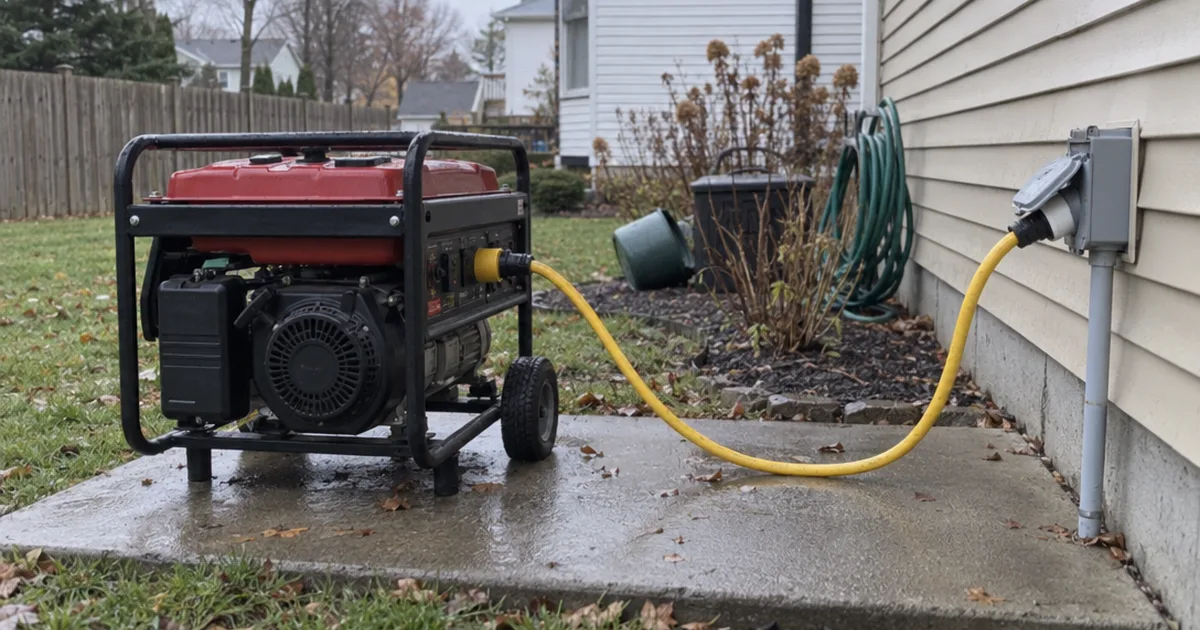

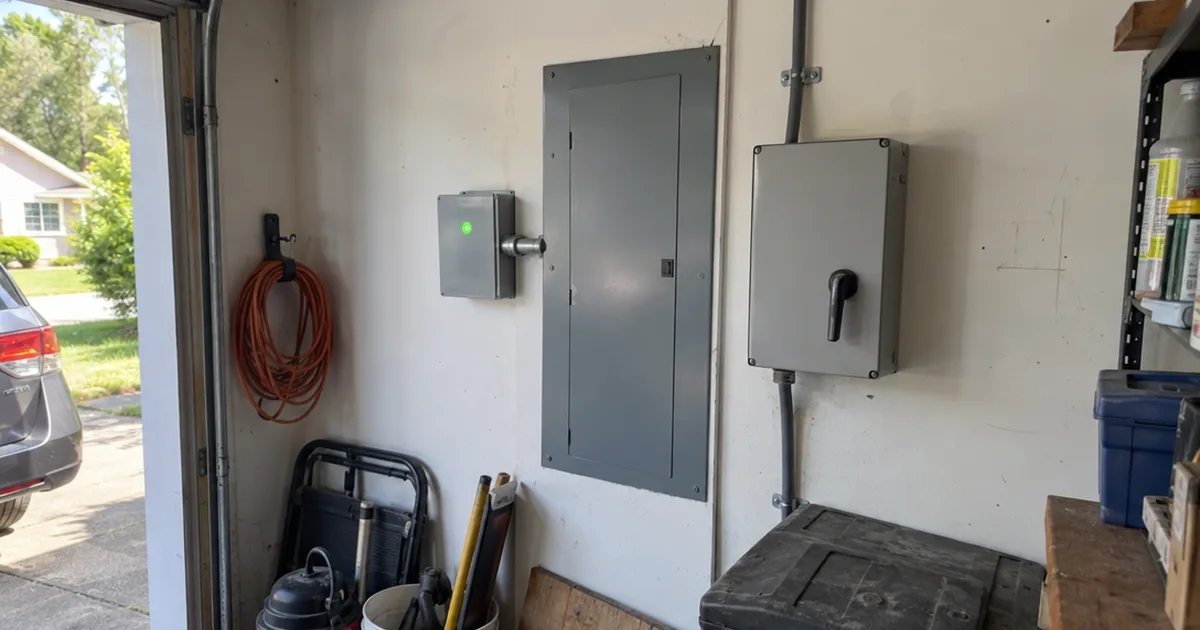
In 42 states, a new standby generator now has to come with a surge protector.
Those states use the 2020 or later National Electrical Code, Generac reported in January 2026.
Here’s how generator surge protection works, which type you need, where it goes and what it costs.
Does a Generator Need Surge Protection?
A generator needs surge protection because spikes from lightning, the grid and big loads inside the house still hit a home on generator power.
Generac’s surge guide names those 3 sources.
It also lists your backup generator and automatic transfer switch among the gear a surge can ruin for good.
How a Surge Protector Works
A whole-house surge protector, or surge protection device (SPD), sends any voltage spike above its trigger point into the ground and does nothing at normal voltage.
The parts doing that job are metal oxide varistors, or MOVs. In one panel unit, the 7409, they switch on above 150/300 volts AC, Norwall’s listing says.
Each SPD also has a kA (kiloamp) rating. Generac calls it the most surge current a device can absorb before it wears out.
That ground path is the whole trick, so good generator grounding matters too.
Type 1 vs Type 2 vs Type 3 Surge Protectors
Surge protectors come in 3 types by where they mount: Type 1 at the utility connection, Type 2 at the breaker panel and Type 3 at the outlet, according to Generac.
Here’s what each one does:
- Type 1: stops surges before power enters the house.
- Type 2: catches surges from cycling appliances and anything past a Type 1.
- Type 3: guards one device, like a plug-in adapter or power strip.
Can you install one yourself? The same guide says Type 1 and Type 2 devices need a certified pro, while homeowners can add Type 3.
So plan the panel device with your electrician, then add plug-in strips for the TV and computer.
Where a Surge Protector Goes With a Standby Generator
A standby generator’s surge protector goes in the main service panel or a service-rated transfer switch. That’s where the 7409 installs, per Norwall’s listing.
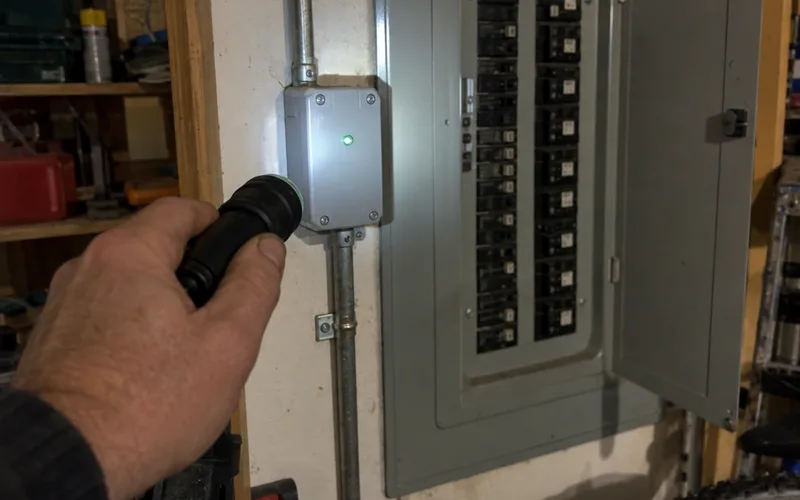
Every circuit your transfer switch feeds passes through that spot, on grid or generator power.
Some switches have it built in. Generac sells an automatic transfer switch with a factory-installed SPD in 100A, 150A and 200A sizes.
So pick between built-in protection and a standalone Generac surge protector as part of your home generator installation plan.
Is Surge Protection Required by Code?
Surge protection is required by the National Electrical Code when you replace or modify your service. That includes adding a home standby generator in states on NEC 2020 or later.
By Generac’s count, that was 42 of 50 US states (86%) as of January 2026.
NEC 230.67, quoted in Norwall’s listing, says the device “shall be a Type 1 or Type 2 SPD.”
So a plug-in power strip doesn’t meet the code.
Ask your inspector about the SPD when you check your generator installation requirements.
How Much Generator Surge Protection Costs
Generator surge protection costs about $130 for a whole-house device. Nationwide Generators listed the Generac 7409 at $129.99 in October 2026.
The same store lists a 120kA PSP Vortexx at $500.00 and a $230.00 PSP KGSP-1 that guards the generator’s own control circuit.
Add labor and a 2-pole 20-amp breaker, which Norwall says isn’t included. Then compare the best surge protectors for generators.
Surge Protection for Portable and Inverter Generators
A portable or inverter generator needs plug-in Type 3 protection at each device you care about. If it feeds the house through a transfer switch, add a panel SPD too.
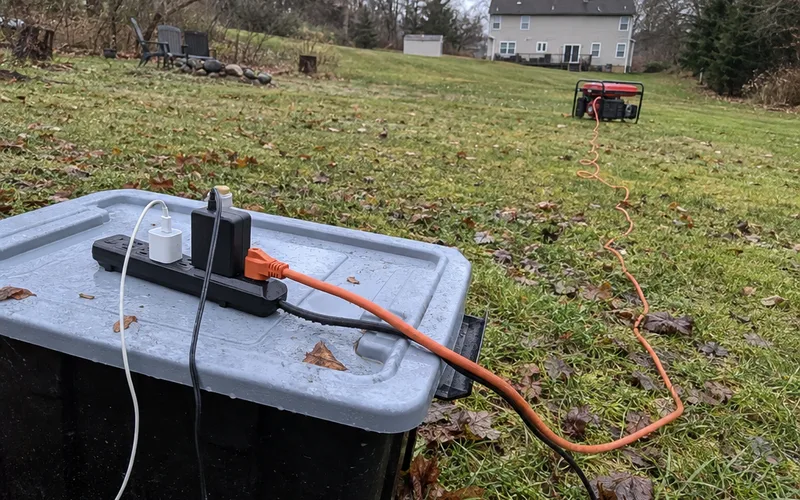
Why bother with an inverter? Neither its cleaner power nor a voltage regulator can stop lightning or a big appliance from spiking the voltage on your wiring.
Worried whether generator power is safe for electronics? Look at a generator power conditioner or a double conversion UPS.
When to Replace a Generator Surge Protector
A whole-house surge protector needs replacing after a big surge or many small ones. On a Generac SPD, a dark status light is the signal.
The company says a green light means it’s working, while no green light means it has absorbed an excessive surge.
Your Next Step
A surge protector costs a small slice of what your generator costs.
This week, look for an SPD at your panel or transfer switch, and if there’s none, get a quote for a Type 1 or Type 2 unit.
Frequently Asked Questions
What is the best surge protector for an electrical panel?
The best surge protector for an electrical panel is a UL 1449 listed Type 1 or Type 2 device, since the code accepts only those 2 types. The 7409 from Generac is one: UL 1449 listed, rated for 50,000 amps and listed at $129.99.
How do you protect electronics from generator power?
You protect electronics from generator power with a surge protector at the panel plus a plug-in Type 3 protector at each computer, TV or router. Generac says homeowners can install the Type 3 kind themselves.