
In this guide, I’ll answer a question every owner eventually asks: how long do generators last?
You’ll see lifespan estimates for each type, a simple way to turn run hours into years and the warning signs that a unit is near the end.
Why does that matter? A generator is a real investment, and knowing its realistic life helps you budget for care now and a replacement later.
Let’s dive right in.
How Long Do Generators Last? Lifespan by Type
There’s no single life expectancy, because a small portable and a big home standby unit are built for very different jobs.
Most estimates count lifespan in engine run hours, the time logged on the generator’s hour meter. Calendar years come second, since a machine that sits idle still ages.
Here’s how the main types stack up.
Portable Generators
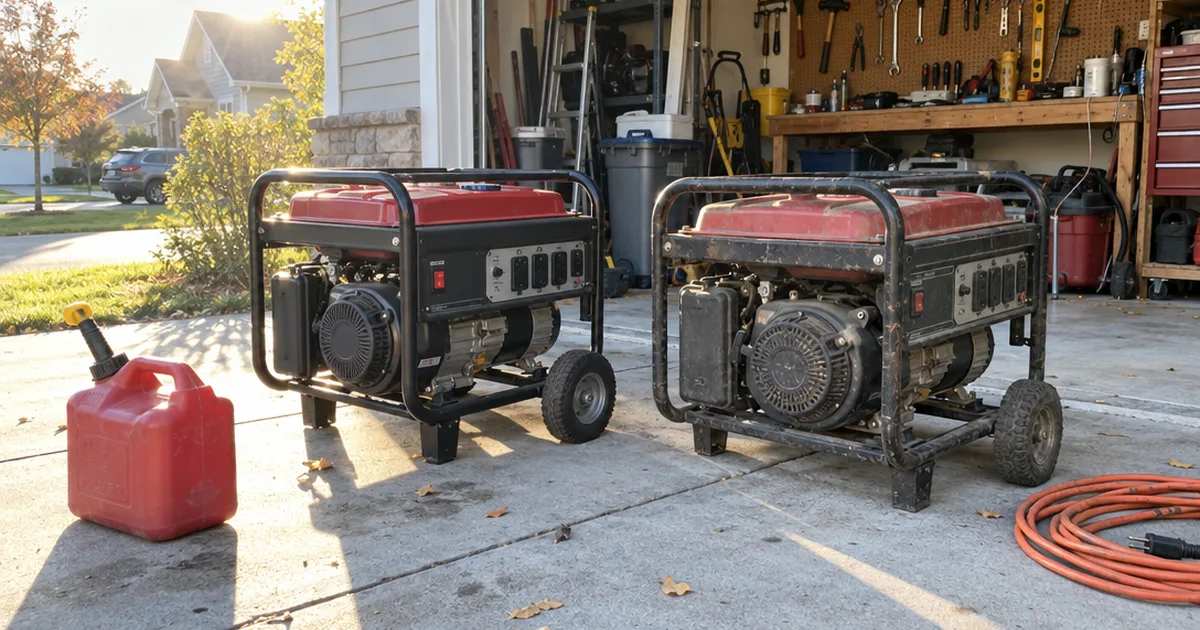
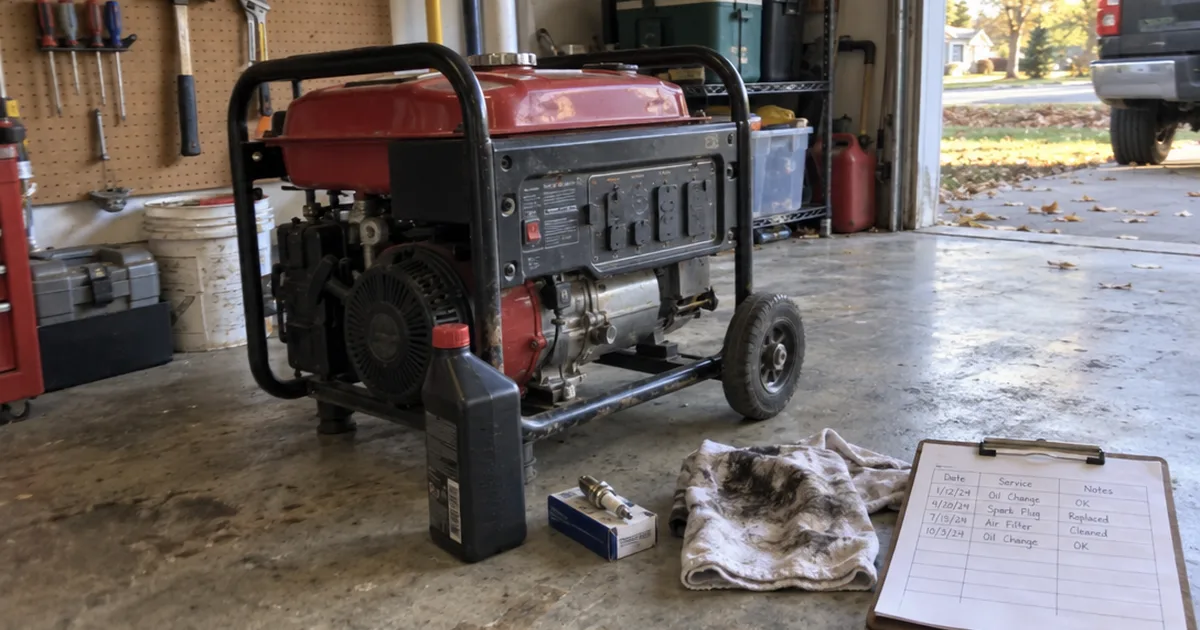
Portable generators have the shortest lifespans of the bunch. Petro Home Services, a heating, propane and generator service company, puts their lifetime at up to 2,000 total hours.
That number sounds small until you do the math. Say your portable runs 50 hours a year for storms and camping trips: 2,000 hours would take 40 years to use up.
In real life, plenty of portables never get close. Stale fuel left in the carburetor, skipped oil changes and seasons in a damp shed can end an engine’s life long before the hour meter does.
Inverter Generators
An inverter generator is a portable with smarter parts inside. It still uses a small air-cooled engine, so the same hour-based thinking applies.
The difference is engine speed. Many inverters let the engine slow down when the load is light, which is a big part of how an inverter generator works so quietly.
Less time at full speed can mean less wear. But none of the ranking pages give inverters their own hour figure, so treat the manufacturer’s manual and warranty as the real guide.
Home Standby Generators
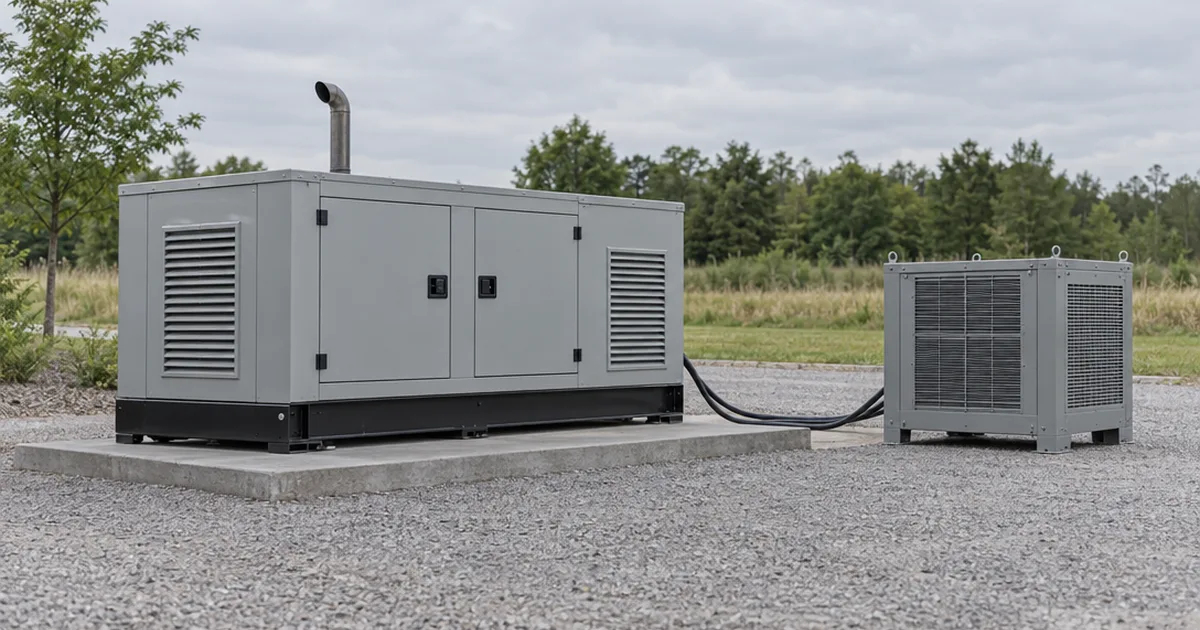
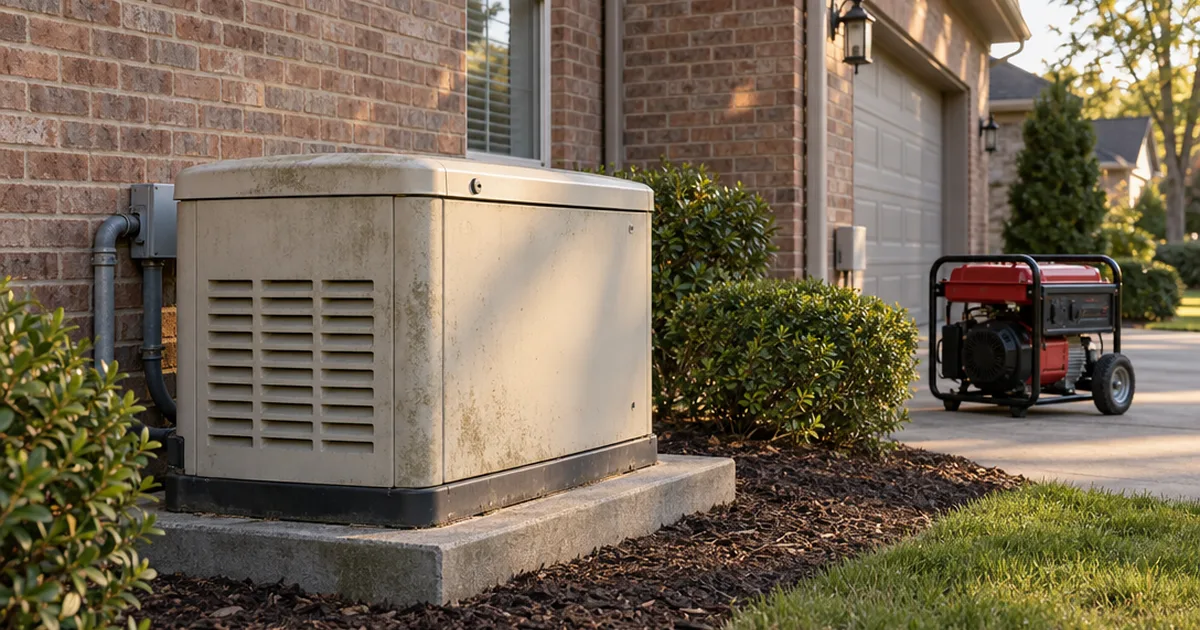
A home standby generator is a permanent backup generator tied into your home’s electrical wiring through a transfer switch. It starts on its own when grid electricity drops and shuts off when utility power returns.
Estimates for these units vary a lot. Petro says a standby generator can run for up to 3,000 hours powering a medium-sized home.
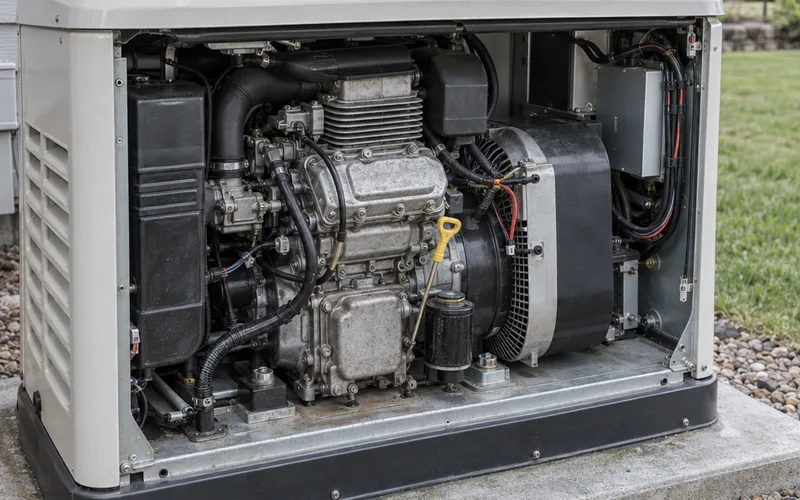
One electrical contractor’s guide aims much higher. It says house generators last 10 to 30 years, with most models rated for 10,000 to 30,000 operating hours.
One HVAC contractor’s guide lands in the middle: a properly installed and maintained residential standby unit often lasts about 15 to 20 years or longer. So why such a wide spread?
Air-Cooled vs. Liquid-Cooled Engines
The answer is mostly engine design: smaller standby units are often air-cooled, with engines that spin at 3600 RPM. Larger ones usually have a liquid cooling system and run at 1800 RPM.
Buckeye Power Systems, a Cummins dealer, calls 3600 RPM engines the standard choice. You get a lower price and reliable performance, but higher oil use and more heat on long runs.
The dealer calls 1800 RPM engines the premium choice because they run cooler and quieter, use less oil and offer better fuel efficiency. They also cost more up front.
Slower, cooler engines tend to suffer less wear and tear for every hour they run. That’s likely a big reason the highest hour ratings belong to liquid-cooled units.
Bottom line: if you want the longest possible service life, top reliability and whole-house coverage, a liquid-cooled unit is built for it. If you only back up essential circuits, an air-cooled unit with good care can still give you many years.
Battery and Solar Generators
Battery “generators” don’t have an engine, so hour meters don’t apply. EcoFlow’s store listing calls its portable power stations battery-powered generators, and they wear out by battery age and charge cycles.
EcoFlow’s own listing claims its power stations use LFP batteries rated for 10+ years of daily use. That’s a manufacturer’s claim about its own product, not an independent test, so read it as an upper estimate.
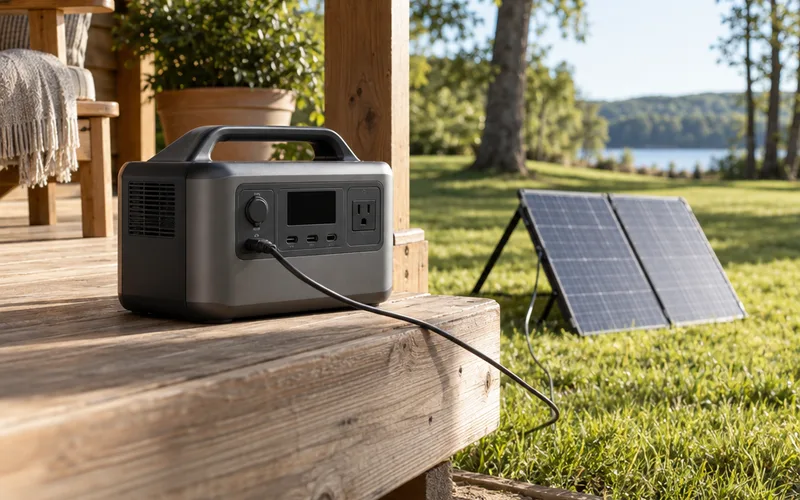
Solar panels paired with battery storage add another piece. The Energy Education encyclopedia explains that the photovoltaic effect is how the cells in a panel turn sunlight into electrical energy, with no engine involved.
Note: battery chemistry matters for lifespan too. EcoFlow’s blog says draining older lead-acid batteries below 50% can permanently damage them, while lithium-ion and LiFePO4 batteries handle a depth of discharge of 80% or higher.
Fewer moving parts than a fossil fuel engine means less routine maintenance.
Still deciding between the two for backup power or off-grid use? Compare a power station vs. a generator on runtime, cost and lifespan before you buy.
Hours vs. Years: How to Read a Lifespan Estimate
An hour rating tells you how much running an engine can take. It doesn’t tell you how many years you’ll get, because that depends on how often your generator runs.
Here’s how to connect the two.
Turn Lifetime Hours Into Years
Start with how many hours your generator logs in a typical year. For a standby unit, that includes the short automatic exercise cycle it runs to keep the engine ready, plus real outages.
Here’s a hypothetical example: say your standby unit exercises for 20 minutes a week, which adds up to about 17 hours a year. Add three outages of 30 hours each, and you’re at roughly 107 hours a year.
At 3,000 hours, that’s about 28 years on the meter. At 10,000 hours, it’s more than 90 years, which no generator will actually reach.
Petro’s own example makes the same point: with 3 blackouts a year at about 30 hours each, plus maintenance runs, it says a standby generator could last up to 50 years.
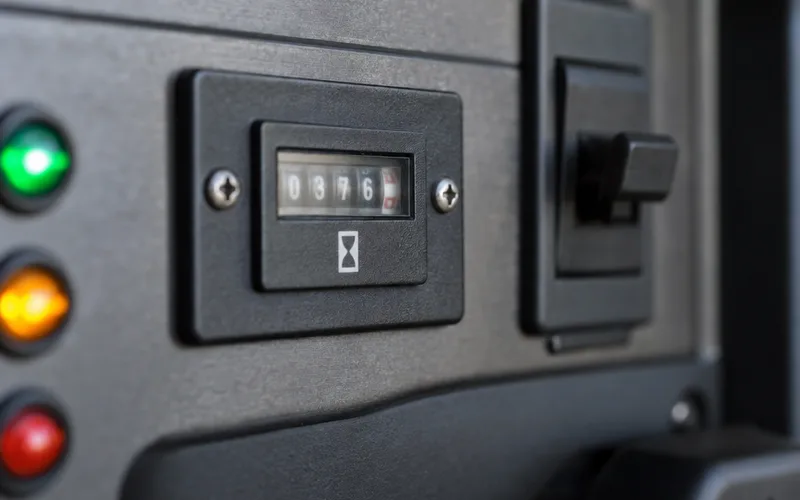
For most homes, the hour meter isn’t the limit. Time is.
Why Calendar Age Still Matters
Parts age even when the engine doesn’t run. Rubber hoses and seals dry out, connections corrode and old fuel turns into varnish inside the fuel system.
The starting battery is a good example. It wears out on its own schedule, so learn how long a generator battery lasts and expect to replace it more than once.
Key Takeaway: use run hours to judge engine wear, and calendar age to judge everything else. A lightly used generator usually retires because of age, parts or repair costs rather than a maxed-out hour meter.
How Fuel Type Affects Generator Lifespan
The fuel your generator burns shapes how it ages. Each fuel brings its own storage and wear issues.
Gasoline
Gasoline is a common fuel for portables, and it’s the hardest on a generator that sits. Old gas can leave gummy deposits in the carburetor, which leads to hard starts and rough running.
The fix is simple: stabilize fuel you won’t burn soon, rotate it and follow good generator fuel storage habits. Fresh fuel is one of the cheapest ways to protect an engine.
Propane and Natural Gas
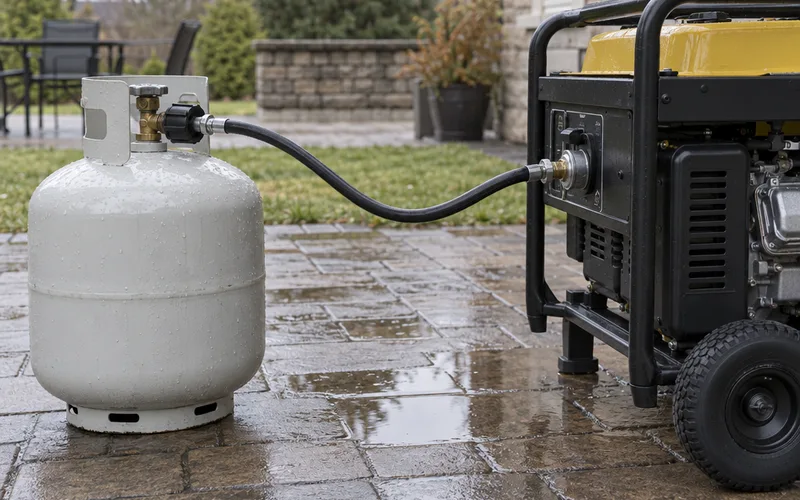
Propane stores well. Petro, which also delivers propane, notes that it has the longest shelf life of the common generator fuels, so you won’t have a tank of fuel slowly going bad.
Natural gas comes straight from a utility line, so there’s no tank to store or refill. If the electrical grid goes down but gas service stays on, a natural gas unit can keep running until it needs service.
The catch? Petro points out that gas lines can be shut off during natural disasters because of fire risk.
Keep that in mind if you live where earthquakes or wildfires are a concern. A propane tank on site gives you a fuel reserve that doesn’t depend on the utility.
Diesel
EcoFlow’s blog notes that diesel generators are often the go-to choice for hospitals and data centers, where downtime isn’t an option. They’re less common at home, but their heavy-duty engines are built for long runs.
They do have one weakness: running too lightly. When diesel engines run at low load for long periods, they can suffer from generator wet stacking, where unburned fuel builds up in the exhaust.
Fuel supply matters too. Buckeye notes that diesel generators for homes typically come with 24-hour fuel tanks as standard, with 48-hour and 72-hour tanks as options.
What Shortens a Generator’s Life
Most of what limits a generator’s longevity is within your control. These are the biggest culprits:
- Skipped maintenance. Old oil and a clogged air filter make an internal combustion engine work harder and wear faster.
- Heavy loads for hours. EcoFlow’s blog suggests running gas, diesel and propane generators at about 75% of rated load.
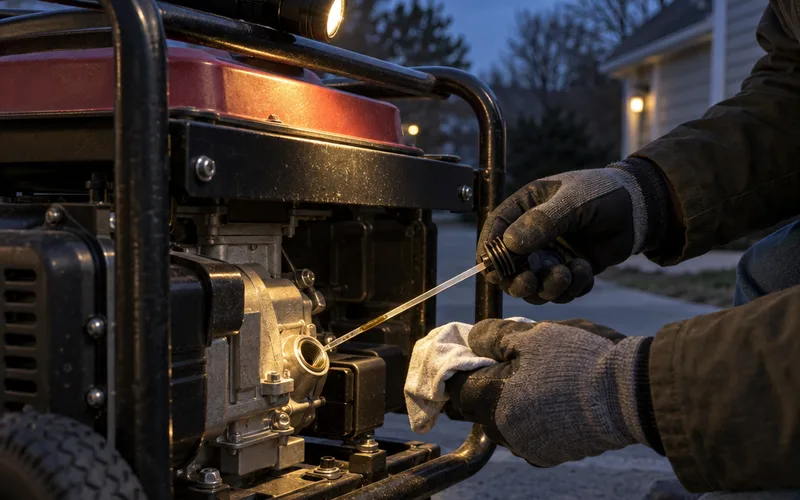
- Long runs with no breaks. Air-cooled engines need time to cool and get their oil checked.
- Bad fuel. Stale gasoline and contaminated diesel both damage fuel systems.
- Harsh conditions. Extreme weather, from heat and cold to high humidity, tends to shorten lifespan compared with a milder climate.
- Poor installation. Weak ventilation or poor moisture protection lets heat and water do damage.
- Sitting unused. An engine that never runs can fail when you finally need it.
Notice a pattern? Nearly every item is a habit, not a hardware flaw.
Regular generator maintenance covers several of those items at once, from oil and filters to fuel care, on portable and standby units alike. If your loads are close to your generator’s limit, revisit what size generator you need so it isn’t working flat out every outage.
How Long Do Generators Last While Running?
That’s a different question: runtime, not lifespan. Runtime is how long a generator can keep going in one stretch during a power outage.
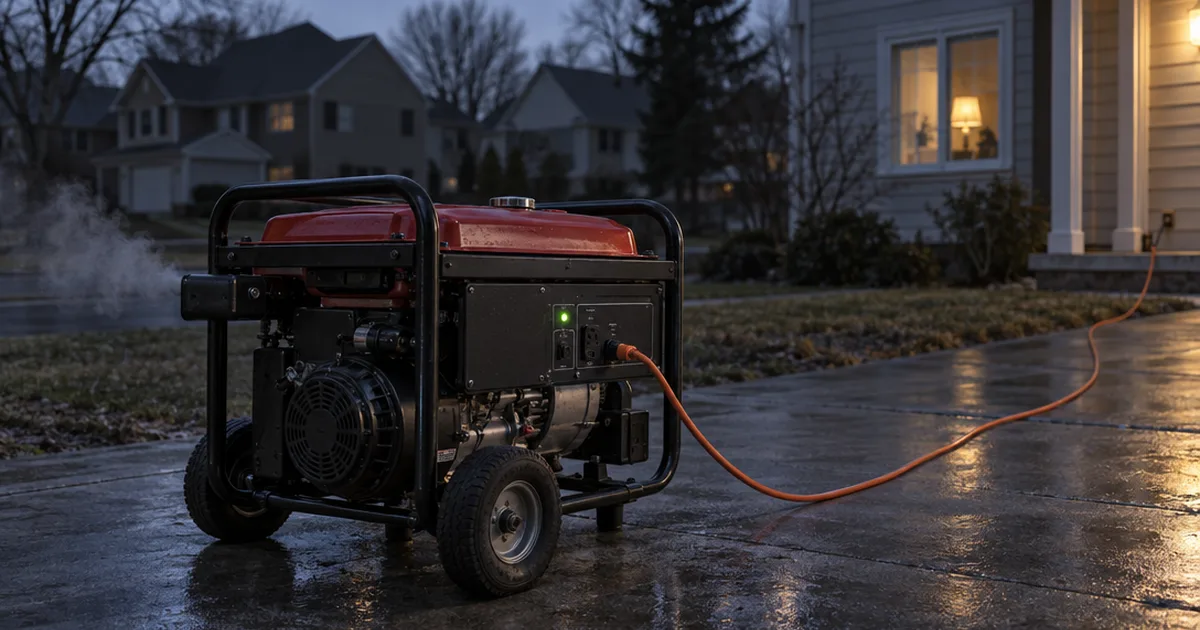
For a portable, the tank sets the limit. Petro says portables are designed to run in shorter stretches, typically about 6 to 18 hours, so you’ll be stopping to refuel either way.
Standby units can go much longer. Petro also recommends not running a generator for longer than 500 hours continuously, which is about three weeks.
Engine type matters here too. Buckeye says to shut down air-cooled 3600 RPM units every 36 to 48 hours to cool off and check oil.
Liquid-cooled 1800 RPM units are tougher. Buckeye says they can handle outages lasting 7 to 10 days.
Battery units work differently again. EcoFlow’s store listing for its DELTA Pro 3 claims 1 day to a week of home power during outages, depending on how much battery capacity you add.
Want the tank-by-tank math? Fuel type, tank size and load together decide how long a generator can run on each fill.
How to Make Your Generator Last Longer
Here’s the good news: the habits that stretch a generator’s life are simple. They just have to happen on schedule.
Break It In and Stay on the Oil Schedule
A new engine needs a gentle start. Follow the generator break-in procedure in your manual, including the early first oil change many makers call for.
After that, regular changes are your engine’s best friend. Use the right generator oil for your climate and change it on the manual’s hour or calendar interval, whichever comes first.
Keep the Fuel Fresh
For gasoline units, fresh fuel prevents most carburetor trouble. Add stabilizer to fuel you’ll store, date your cans and burn older fuel first.
Pro Tip: if a portable will sit for months, follow your manual’s storage steps for the fuel system. Some makers suggest running the carburetor dry, while others suggest leaving stabilized fuel in the tank.
Exercise It and Watch the Load
Run your generator regularly so seals stay lubricated and problems show up before an outage. Standby units handle this automatically, while portables need you to start them every month or so under some load.
During an outage, keep heavy loads in check. Stagger big motors like a well pump and an air conditioner instead of starting them at once.
The opposite problem matters for diesel units that mostly run light. A periodic generator load bank test puts the engine under a real load so you can see how it performs before an outage does it for you.
Store It Right Between Uses
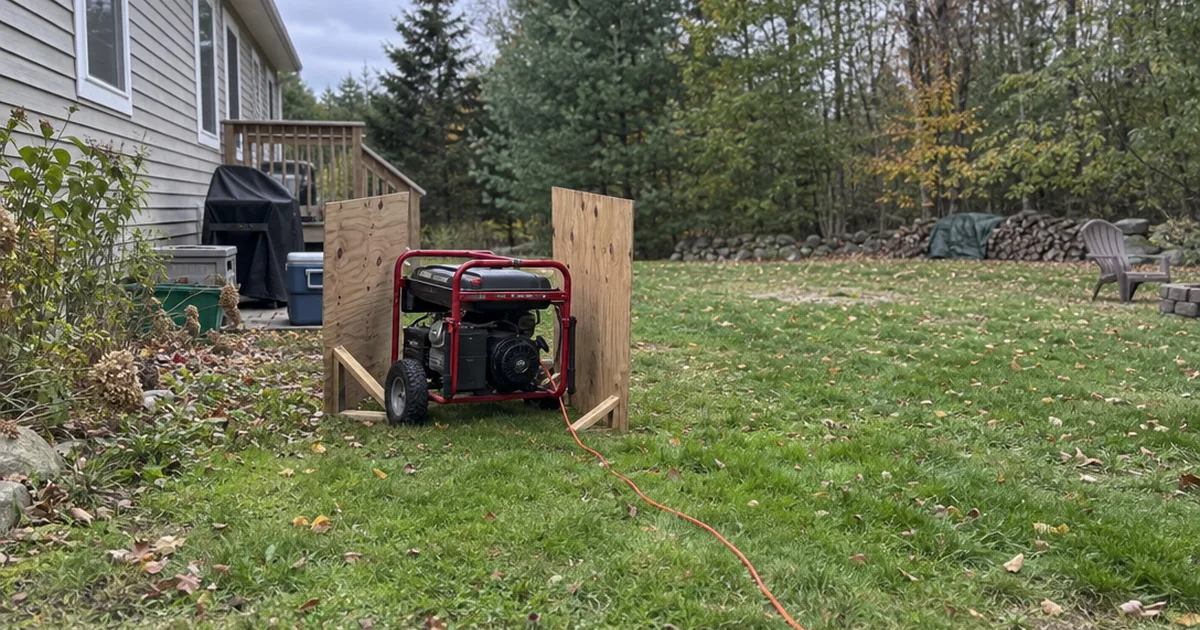
Where your generator lives matters as much as how it runs. Keep a portable in a dry, covered spot, and follow the steps for storing a generator when not in use before a long break.
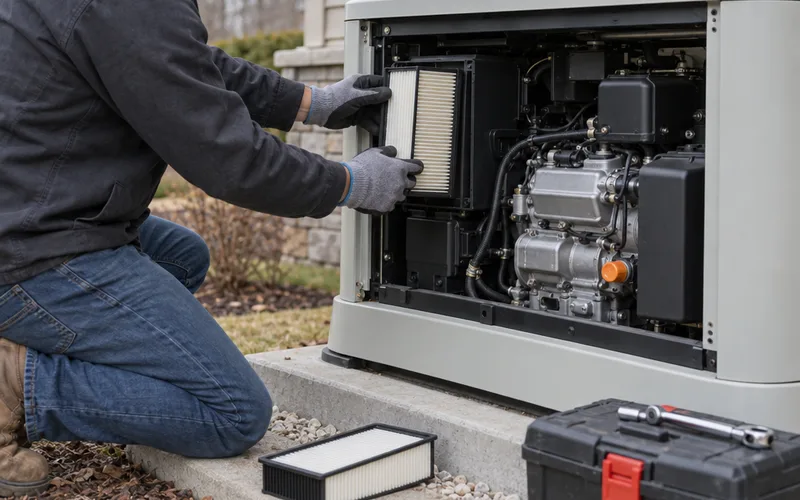
For a standby unit, keep the area around the enclosure clear of leaves, snow and mulch. Then book a yearly maintenance inspection using a generator maintenance checklist so nothing slips.
Signs Your Generator Is Wearing Out
Even well-kept generators eventually show their age. Watch for these warning signs:
- Hard starting that doesn’t clear up with fresh fuel, a new spark plug or a charged battery
- Surging or unstable power, such as flickering lights under a steady load
- More smoke than usual, especially blue or black smoke
- Rising oil use between checks
- Leaks of oil, fuel or coolant around the engine
- Frequent repairs that keep coming back
Keep a simple service log, too. Write the date and hour-meter reading next to every oil change, repair and odd symptom, so you can spot a trend instead of guessing.
One of these doesn’t mean the end. Work through generator troubleshooting by symptom first, because many problems trace back to a single fixable part.
But if several signs show up at once on an older unit with lots of hours, it’s time to think about the next step.
Repair or Replace? A Simple Way to Decide
Here’s how I’d decide. Answer four quick questions about the unit:
- How old is it compared with the life you expected for its type?
- How many hours are on the meter compared with its rating?
- What does the repair cost compared with a new unit?
- Can you still get parts and service for this model?
A young generator with a single failure is almost always worth fixing. A generator near the end of its expected life, with a big repair bill and hard-to-find parts, usually isn’t.
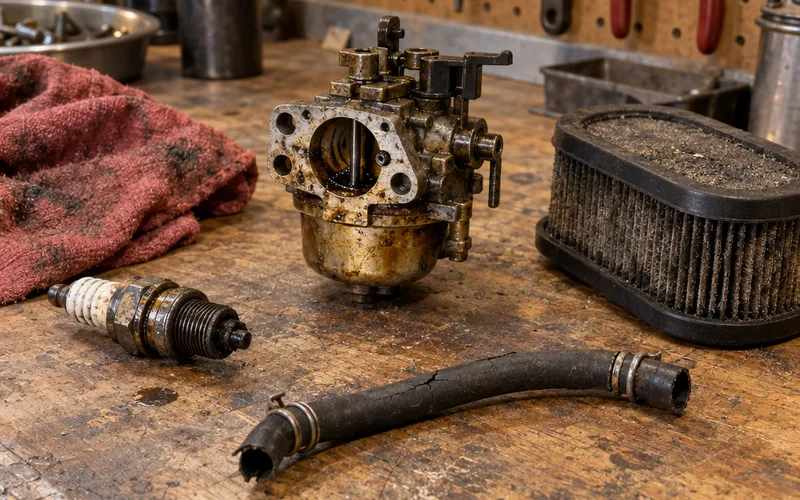
Here’s a hypothetical example: say your air-cooled standby unit is 16 years old, has logged 2,800 hours and needs a major engine repair. It’s close to Petro’s 3,000-hour figure and inside the HVAC contractor’s 15 to 20-year range, so replacement is usually the smarter buy.
Warranty status helps too. EcoFlow’s store listing, for example, says its power stations are backed by a 5-year warranty, so check your coverage before you pay for a fix.
If a fix makes sense, sort the jobs you can handle from the ones a technician or licensed electrician should do before you start any generator repair. If not, put that repair money toward a replacement that fits your home today.
Wrapping Up
So how long do generators last? It ranges from about 2,000 hours for a portable to tens of thousands for a liquid-cooled standby unit.
Maintenance decides how close you get, so track your hours, keep the fuel fresh and stay on the oil schedule. Which of these habits are you going to start this week?
Frequently Asked Questions
What is the 80% rule for generators?
It’s a common rule of thumb: keep long-running loads at or below about 80% of the generator’s rated running watts. That leaves headroom for motor startups and keeps the engine from working flat out for hours.
Can I run my generator 24 hours a day?
A standby unit can run around the clock during an outage, but plan regular shutdowns for engine checks, especially on air-cooled models. A portable has to stop for refueling anyway, so use those breaks to let it cool down.
How big of a generator does a 2000 sq ft house need?
Square footage alone won’t tell you. Add up the running and starting watts of what you actually need to power, such as the fridge, furnace blower, well pump or central air, then pick a unit with headroom above that total.
How long will a Generac generator last?
A Generac follows the same rules as any home standby unit. Its life depends on whether it’s air-cooled or liquid-cooled, how many hours it logs and how well it’s maintained, so check its warranty and service schedule for your model.
What is the most reliable brand of generator?
No single brand wins for every home. Compare warranty length, local dealer support and parts availability for the size and fuel type you need, because a well-supported unit is easier to keep running for years.
How long do generators last while running?
That’s runtime, not lifespan. A portable usually runs for hours per tank, while a natural gas standby unit can keep going as long as gas flows and you stop for scheduled oil checks.
What are the downsides of using a natural gas generator?
You depend on the gas utility, and gas lines can be shut off during some disasters. Many models also list a lower rated output on natural gas than on propane, so check the spec sheet before you size one.
Is a generator hazardous?
Yes, if it’s used carelessly. Engine exhaust can cause carbon monoxide poisoning, so never run a fuel generator indoors or in a garage, keep it away from windows and doors, and use a carbon monoxide alarm inside.
Is it illegal to run a generator all night?
Running one during an outage usually isn’t illegal in itself. Local noise ordinances and HOA rules can limit when and where you run it, though, so check your city’s rules before a long outage.