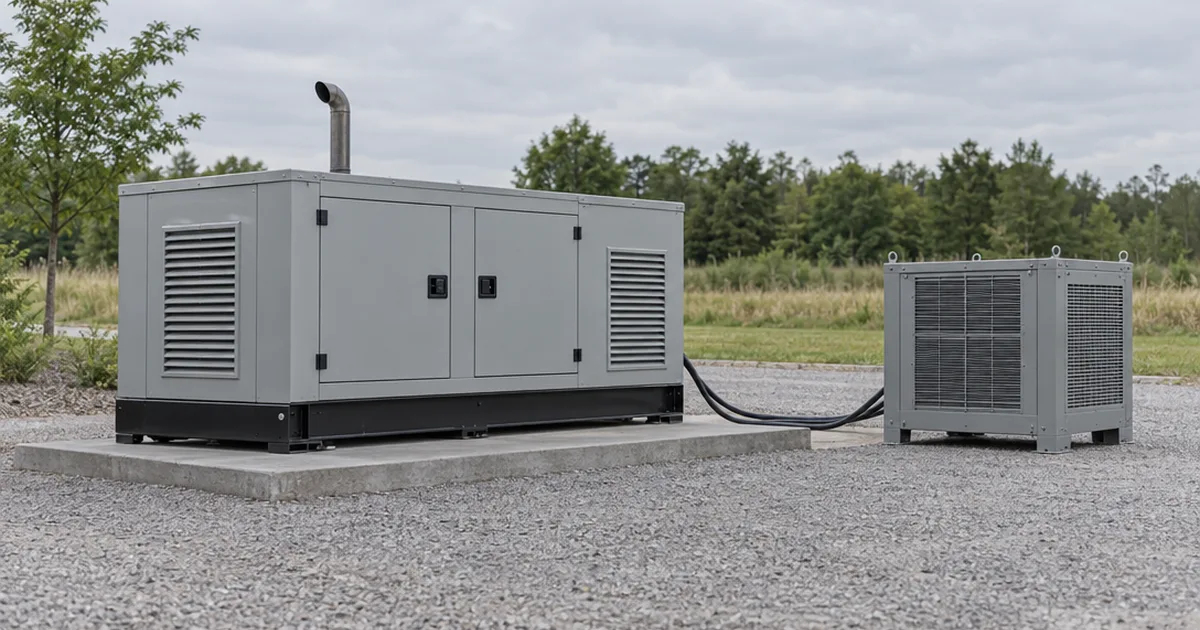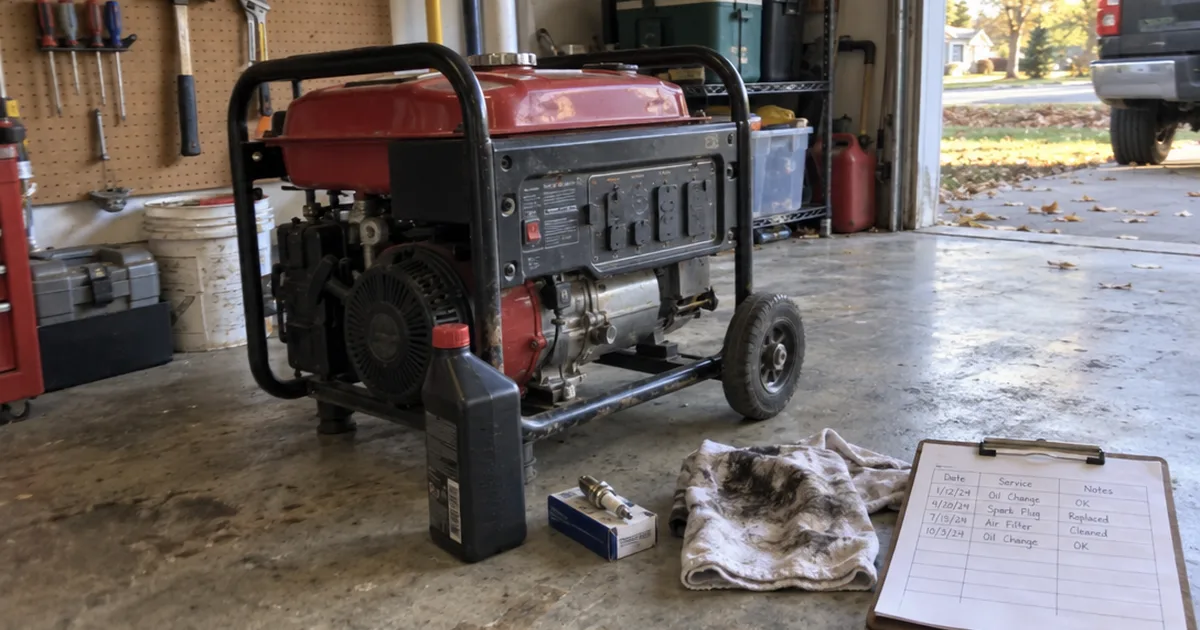

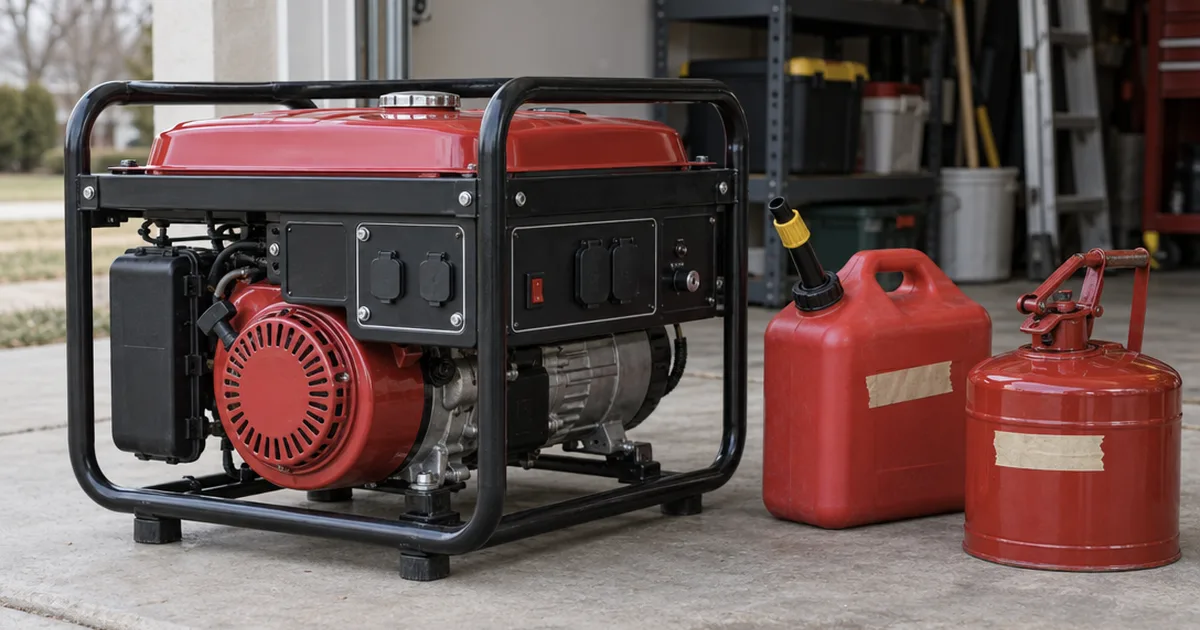
In this guide, you’ll learn how to handle generator fuel storage so what you store stays safe, fresh and ready when the power goes out.
Why does that matter? Stale gas, a leaky can or a stash in the wrong spot can turn your backup plan into a hazard.
Let’s dive right in.
Your Fuel Type Decides the Storage Job
Before you buy a single can, check what your engine burns. Each option creates a different storage problem:
| Fuel | Usually stored in | Main storage concern |
|---|---|---|
| Gasoline | Approved portable cans | Goes stale, ethanol absorbs water |
| Diesel | Cans or a fixed storage tank | Water and contamination |
| Propane | Cylinders or a larger tank | Keeping cylinders outdoors and upright |
| Natural gas | Utility line | Nothing to store or rotate |
So if you own a gas portable, freshness is your biggest battle. Running on propane swaps that can routine for a cylinder you keep outdoors.
Pick a Container Made for That Fuel
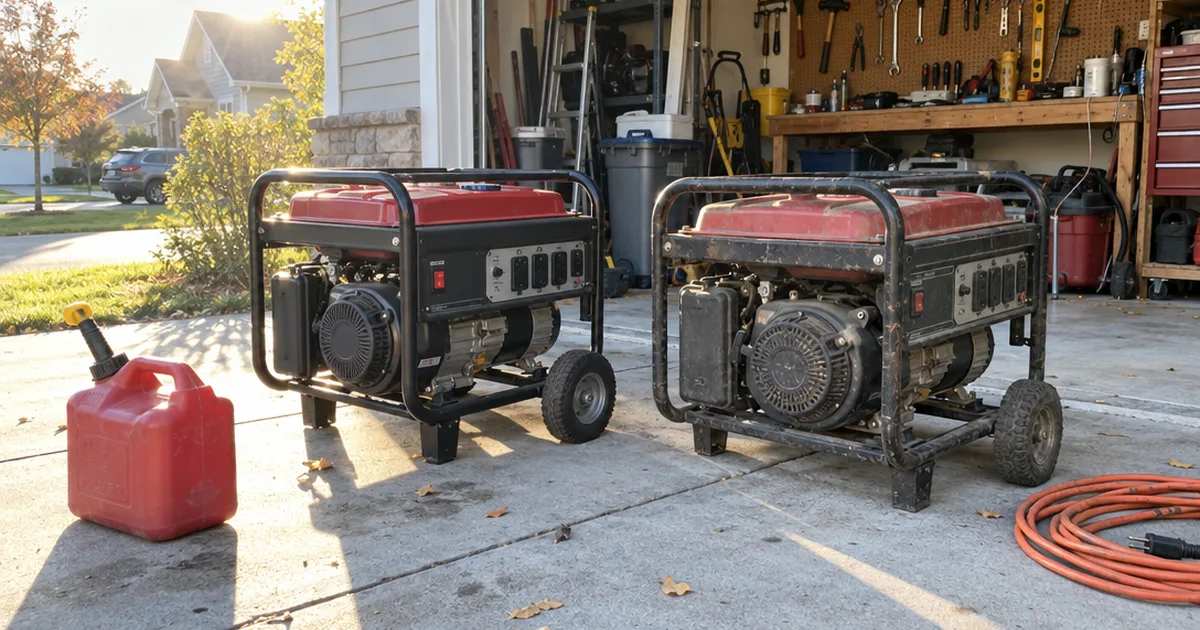
Use only containers made and labeled for what goes inside them. A milk jug can crack, leak vapor and confuse anyone who grabs it in a hurry.
Most homeowners choose polyethylene plastic cans or steel safety cans with a sealed cap. Larger setups use a double-walled storage tank.
Note: Skip galvanized cans and tanks for diesel, because zinc coatings can react with it.
Then write the fill date on every can. That one habit makes rotation easy.
Store Fuel Away From Your Living Space
Here’s the deal: fuel vapor is heavier than air and drifts toward pilot lights, furnaces and water heaters. So pick a cool, ventilated spot like a detached shed, never a basement or a bedroom.
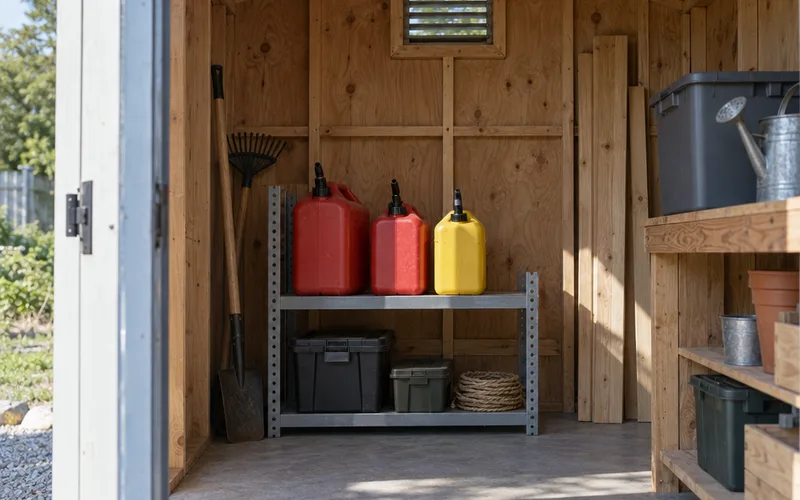
Keep propane cylinders outdoors and upright. And since running the generator follows its own rules, read up on carbon monoxide and placement before an outage.
Pro Tip: Local fire codes can limit how much you keep at home, so check yours before you build a big stash.
Keep Gasoline Fresh With Stabilizer and Rotation
Gasoline breaks down in storage, and ethanol blends can pull in moisture. That’s why so many units refuse to start after a quiet season.
The fix is simple: store ethanol-free gas when you can, and treat what you store with stabilizer. Start by choosing a fuel stabilizer, such as Sta-Bil’s formula or Star Tron’s enzyme treatment.
Stuck between two? Compare Ethanol Shield versus Sta-Bil, then add stabilizer the right way so treated fuel reaches the carburetor.
Treatment slows the clock, but it doesn’t stop it. Check how long ethanol-free gas lasts once treated, and burn older cans in your mower before you refill.
How Much Generator Fuel Should You Store?
It depends on your load and how long outages last where you live. Here’s a quick way to estimate it:
- Find your manual’s run time on a full fuel tank at your expected load.
- Divide the tank size by that run time to get gallons per hour.
- Multiply by your daily run hours and the days you want to cover.
Say your manual lists 10 hours at half load on a 5-gallon tank (a hypothetical example). That’s half a gallon per hour, so 12 hours a day for 3 days means 18 gallons.
Load changes that math fast, because generator fuel consumption climbs as you add appliances.
Bigger Tanks and Extended Run Setups
Built-in fuel tanks on portables are small, so extended run tanks and fuel tank extender kits let the engine run longer between fills. Only use kits your manufacturer approves.
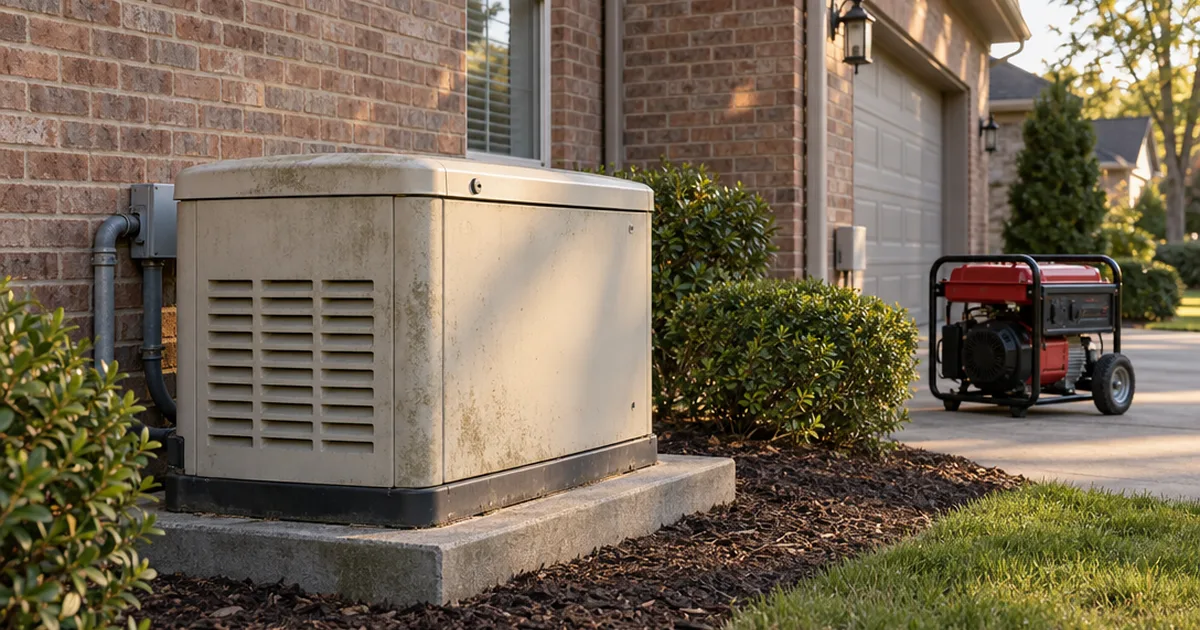
A standby genset may instead draw diesel from a steel base tank or an external tank. That genset setup needs a vent, a shutoff valve and a pro to install it.
Before You Put the Generator Away
Fuel left in the carburetor causes a lot of hard starts. So set the fuel valve correctly, then stabilize or drain the gas.
The machine needs its own prep too, from storing the generator itself to your regular generator maintenance routine. Put the fuel checks on your generator maintenance checklist so they come due with the oil and plug changes.
Wrapping Up
Good fuel storage is really three habits: the right container, the right spot and a rotation schedule.
So, which fix will you tackle first?
Frequently Asked Questions
How do you store fuel for a generator?
Use a sealed container labeled for that fuel and keep it in a cool, ventilated spot away from your home and any flame. Add stabilizer to gasoline and date every can so you can rotate it.
What is the price of a generator diesel tank?
There’s no single price, because cost depends on capacity, construction and installation. For a fixed tank, ask for a written quote that includes installation and any required permit.
What is the 80% rule for generators?
It’s a common rule of thumb: keep long-running loads at or below about 80% of the generator’s rated running watts. Your manual’s limits always come first.
Which fuel is used for generators?
Home generators mostly run on gasoline, diesel, propane or natural gas. Dual fuel models can switch between two of them.