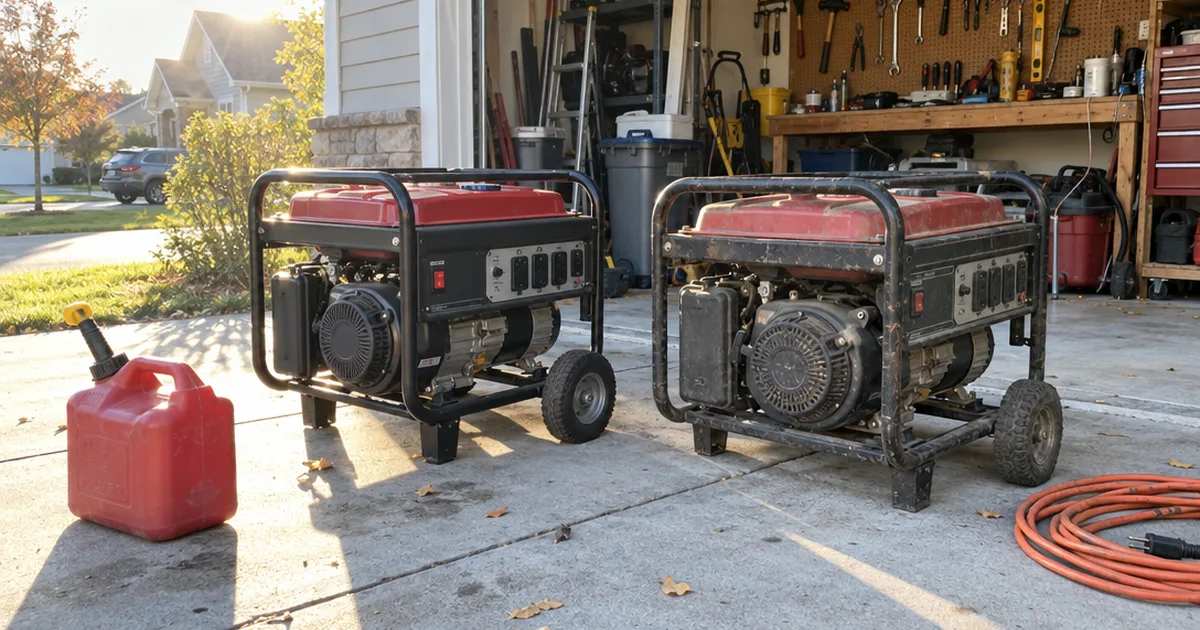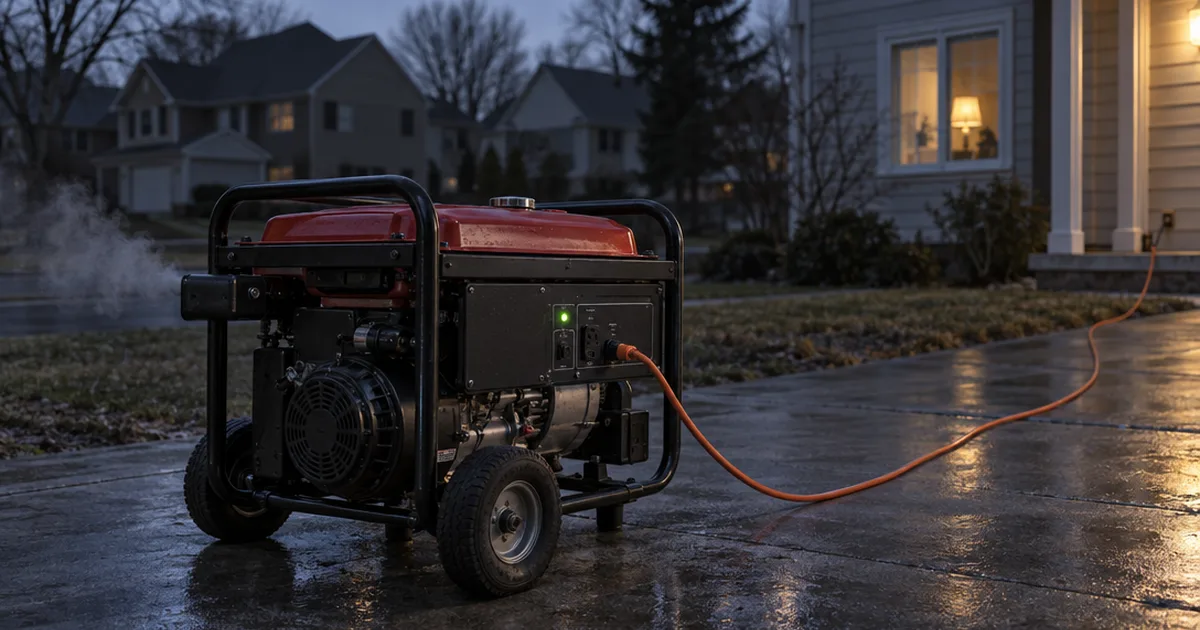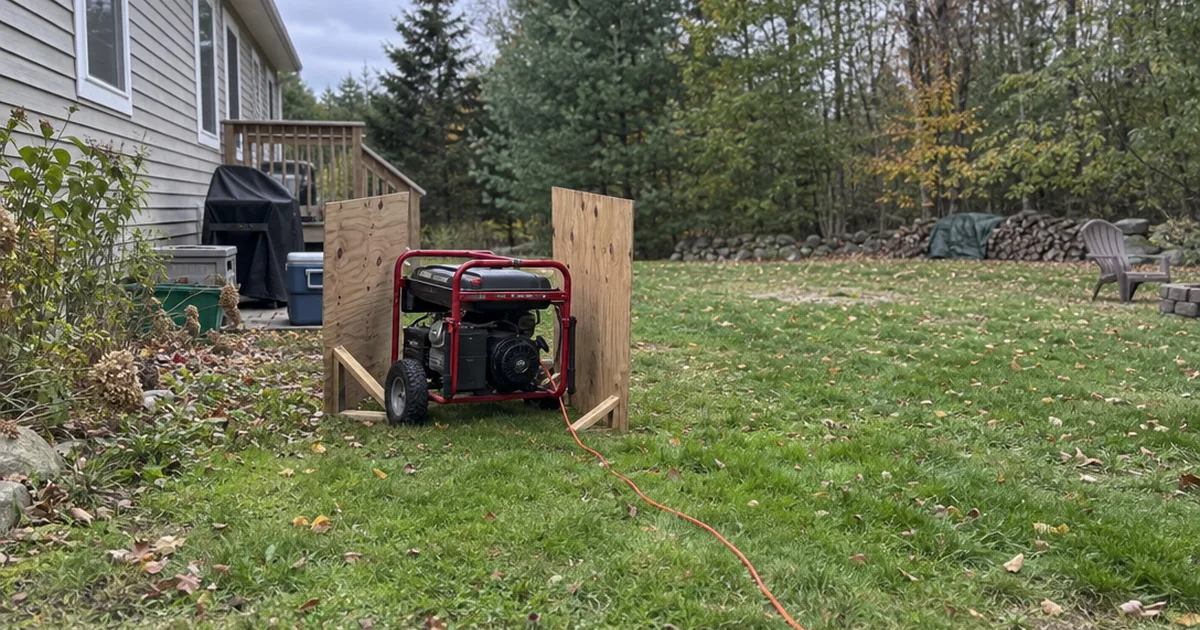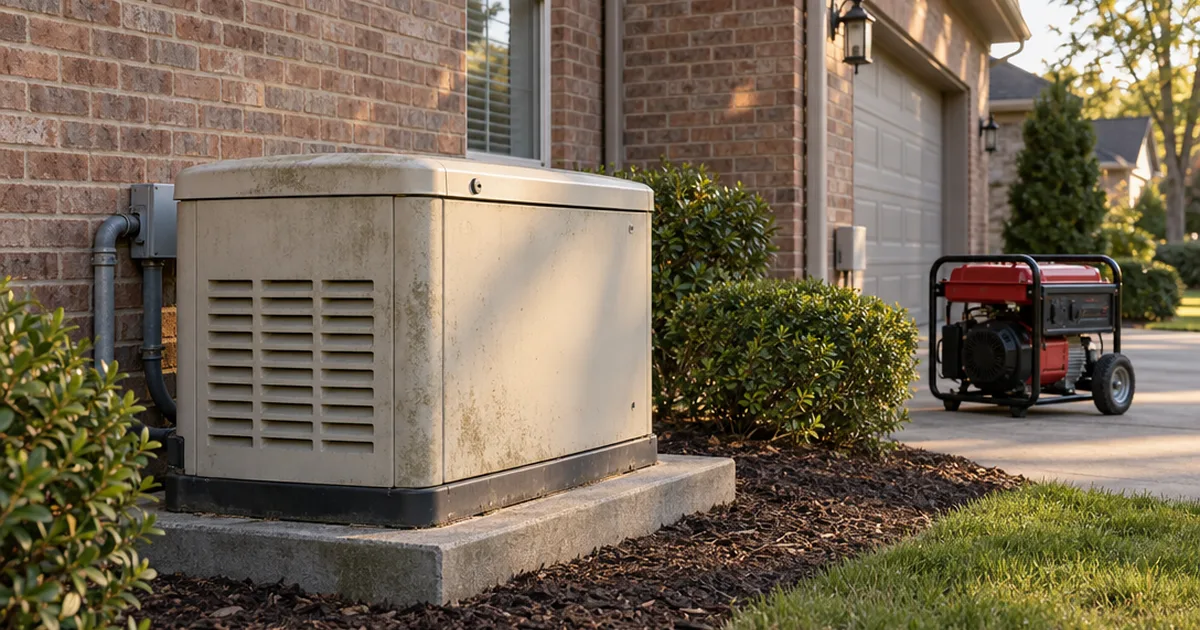

Your generator is sitting in the garage, and the one night you need it, it coughs and dies. Before you start pulling parts off or searching for a repair shop, it helps to know which problems are yours to fix and which are not.
This page is the starting point for generator repair at home. It explains how the pieces of a generator fit together, which symptoms point where, and where each repair job gets its own walkthrough.
What generator repair actually covers
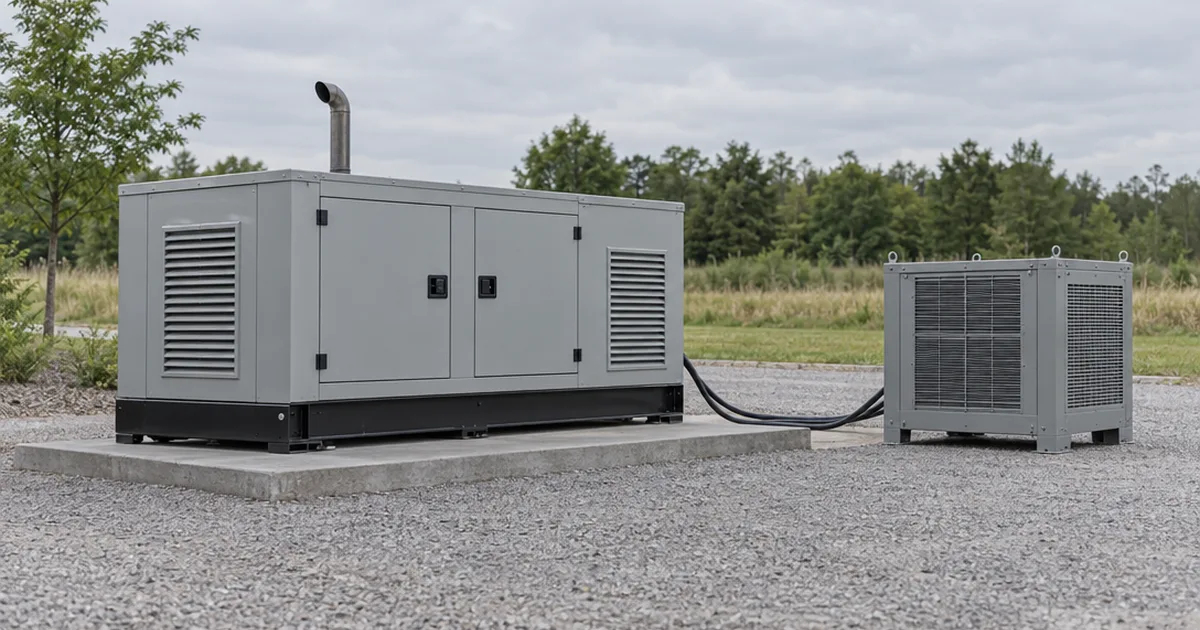
A portable or standby generator is an engine-generator, meaning an engine bolted to a machine that makes electricity. That’s why a “dead” generator can be a fuel problem, an engine problem or an electrical problem.
Each side has its own parts and its own warning signs. Learning which side is failing saves you from replacing parts that were never broken.
Routine care prevents many of these faults. If you haven’t set up a schedule yet, the Maintenance section is the place to begin.
Match the symptom to the system
Start with what you can see, hear and smell. The table below links common symptoms to the system that usually causes them, but it’s a starting point, not a diagnosis.
| Symptom | Common area to check | Where to read more |
|---|---|---|
| Won’t start or starts then dies | Fuel, spark plug, air filter | Fuel and ignition sections below |
| Hunts, surges or idles badly | Carburetor, idle speed | Idle speed and carburetor sections |
| Runs but outlets give no power | Voltage regulator, brushes, connections | Electrical section |
| Rough, loud or smoky running | Valves, oil, internal engine wear | Valve section and professional repairs |
If a symptom matches more than one row, work from the cheapest, simplest check to the hardest. A stale tank of fuel is far easier to rule out than a worn engine.
Fuel system faults
Fuel trouble is the most common reason a generator that sat unused won’t start. Gasoline left in the tank and carburetor can turn gummy, and that blocks the small passages the engine depends on.
The carburetor mixes air and fuel before it enters the engine, so even a partial clog changes how the generator runs. If yours needs more than cleaning, a model-specific walkthrough helps, such as Champion carburetor replacement or the steps for the Honda EU2200i carburetor.
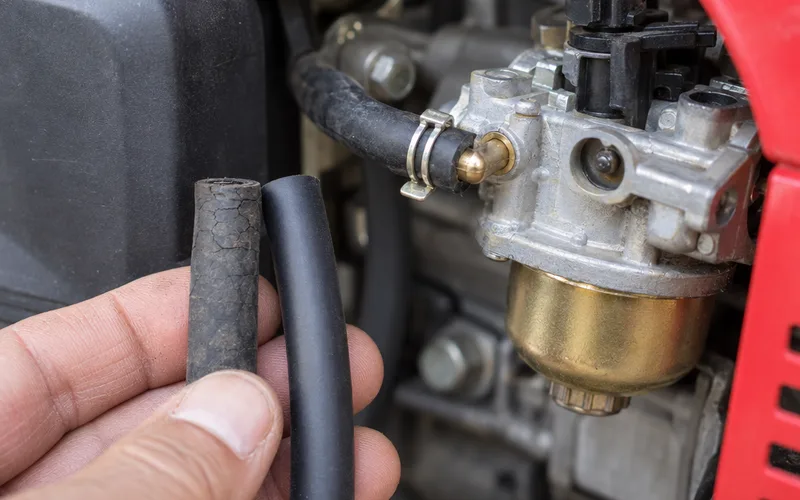
Fuel lines are the other weak point. Cracked, stiff or leaking lines need replacing, and fuel line size matters when you buy the new tubing.
Once you have the right tubing, the steps for fuel line replacement walk through the job. A fuel leak is a fire risk, so stop using the unit until it’s fixed.
Ignition and airflow basics
A generator can’t run well without spark and clean air. Both are inexpensive to check, which is why they come before anything more involved.
A fouled or worn plug is a common cause of hard starting. Learn how spark plug replacement works for your engine type and use the plug your manual specifies.
A clogged filter starves the engine of air and makes it run rich and rough. Many owners can handle cleaning the air filter in a few minutes, as long as the manual says it’s an owner task.
If both are in good shape and the engine still misbehaves, move on to adjustments.
Engine adjustments
Some faults aren’t broken parts at all. The engine just needs adjusting.
A generator that surges or stalls when the load changes may have an idle speed set too low or too high. The steps for how to adjust generator idle speed cover what to watch for and when to stop.
Valves are different. A valve adjustment sets the small gap that lets the engine breathe correctly, and the work is precise.
If you’re not comfortable making precise measurements on an engine, this is a good job to hand off.
Electrical output problems
When the engine runs smoothly but nothing comes out of the outlets, the problem sits on the electrical side. Two parts show up often in these diagnoses.
A voltage regulator keeps the generator’s output voltage steady, and some designs allow an adjustment. Read about voltage regulator adjustment before touching anything, and use a licensed electrician if the work goes beyond what your manual permits.
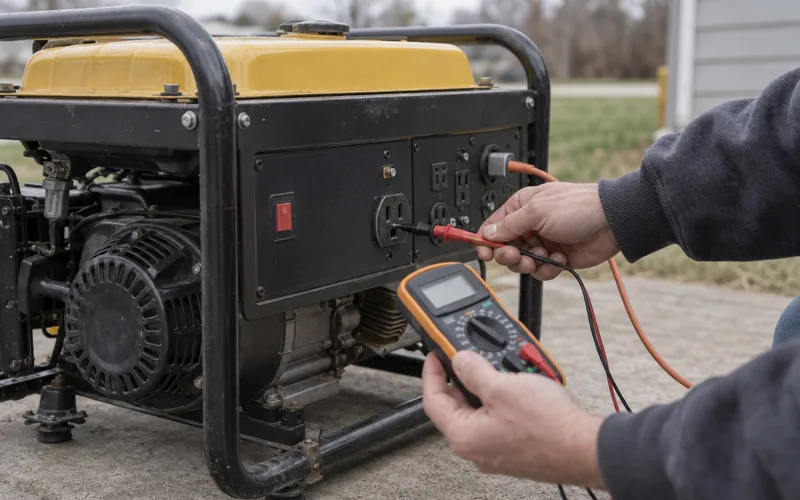
Brushes carry current to the rotating part of the generator and wear down over time. The guide to carbon brush maintenance explains what inspection involves on units that use them.
Electrical faults carry a shock risk even on a “switched off” machine, so treat every wire as live until the manual says otherwise.
Taking a generator apart
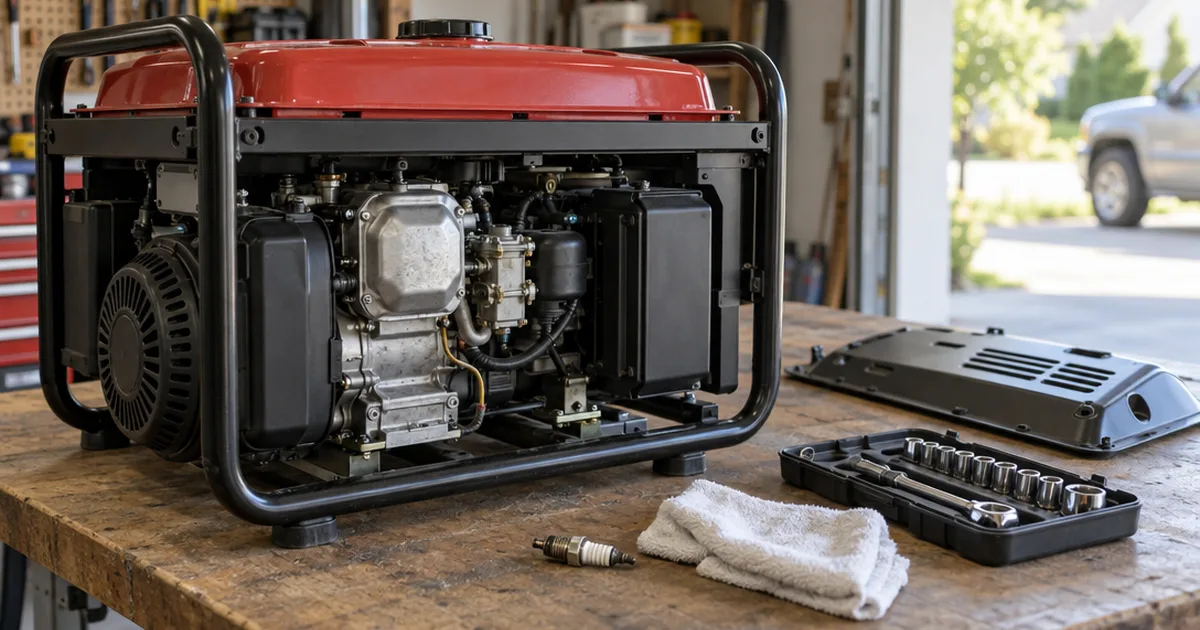
Sometimes a repair means getting to what’s inside. Before you reach for a wrench, get familiar with the main generator components so you know what you’re looking at.
Separating the engine from the generator end is a bigger project. If a repair truly needs it, read how to separate the generator from the engine first, because the job needs space, the right tools and careful alignment when you put everything back.
Take photos at each step and bag the fasteners as you go. You’ll thank yourself at reassembly.
Repairs to leave to a professional
Some jobs aren’t worth the risk. The line is the same for most owners.
Leave these to a qualified technician:
- Any fuel leak you can’t trace to a loose clamp
- Internal engine noise, smoke or metal in the oil
- Transfer switch faults and anything wired into your house
- Standby generator control board or warning-code problems
- Any repair your manual reserves for authorized service
Warranty terms can also change what you should do. Read yours before opening a unit that’s still covered.
After any repair, run the generator outdoors and away from the house. The Safety section covers placement and carbon monoxide precautions that apply to every test run.
Prepare before you call a technician
A clear description makes the visit faster and more accurate. Write down your generator’s brand, model and serial number, and note when the problem started.
Describe what happens: whether it starts, how it runs, and whether the outlets deliver power. A short phone video of the problem can help if it’s safe to record.
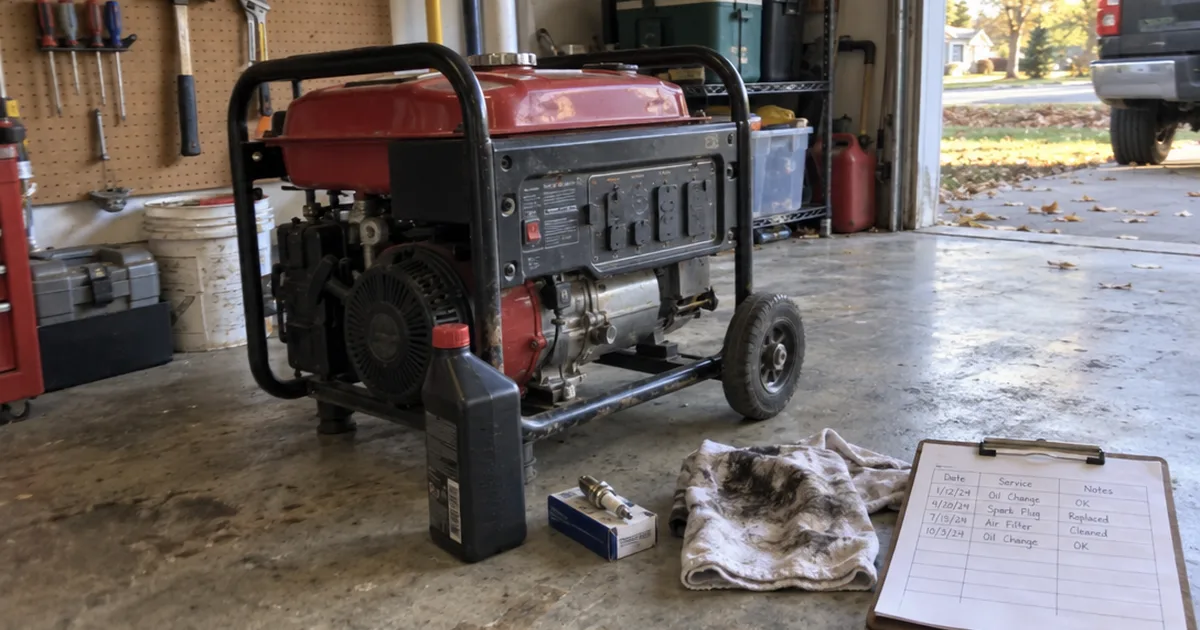
Have your maintenance records ready too. A current maintenance checklist shows what has already been done and rules out common causes.
Ask for the diagnosis and price in writing before work begins. If the repair affects output, ask whether a load bank test should check the result.
Repair or replace
Not every generator is worth fixing. A small, inexpensive repair on a unit that’s otherwise sound usually makes sense.
A large estimate on an old, heavily used unit is a different story. Compare the written quote with the cost of a replacement that meets your needs, and factor in how reliable the old unit has been.
If you do replace it, regular care is what keeps the next unit from ending up in the same spot.
Frequently Asked Questions
How do you know if your generator is bad?
Look for a generator that won’t start, stalls under load, surges, runs roughly or produces no power at the outlets. Those signs point to a fuel, ignition, air or electrical fault, so check the simple owner items in your manual before assuming the whole unit is finished.
What is a generator mechanic called?
Most people call them a generator technician or generator service technician. Standby units are often serviced by the manufacturer’s authorized dealers, while small-engine repair shops commonly handle portable models.
Can I repair my generator myself?
Often you can handle owner-level jobs your manual describes, such as a spark plug, air filter or fresh fuel. Fuel leaks, internal engine work, transfer switch problems and anything involving house wiring belong with a qualified professional.
Is it better to repair or replace a generator?
It depends on the fault, the unit’s age and how the repair estimate compares with a new generator that meets your needs. Ask for a written diagnosis first, then weigh it against what you’d pay to replace the unit.