
One well pump battery backup lists water for up to 2 days on its batteries.
That’s SEC America’s claim for its Model 1783, and it only fits certain pumps.
Backup power for a well pump works only when the source’s limits clear your pump’s needs. 4 kinds of backup can do it, and each has a catch worth knowing before you spend a dollar.
Why a Well Stops When the Power Goes Out
A private well stops delivering water in an outage because its pump, usually a submersible pump, can’t refill the pressure tank without power.
That tank holds a small reserve of pressurized water. Once the reserve runs down, the faucets slow to a trickle.
So every backup has one job: give the pump enough power to start and refill the tank.
Check 3 Numbers on Your Pump Before You Buy Anything
A well pump’s backup needs come from 3 numbers: its voltage, its running amps and its starting draw. You’ll find them on the control box label or in the pump manual.
Start with voltage. A 240V pump sits on a double-pole breaker (2 switches tied together), while a 120V pump uses a single breaker.
Next, multiply the running amps by the voltage. Say the label reads 240V and 7 amps: that made-up pump pulls about 1,680 watts while it runs.
The starting draw is the tricky one. For a moment at startup, the motor pulls far more current than it does once it’s spinning, and your backup has to cover that peak.
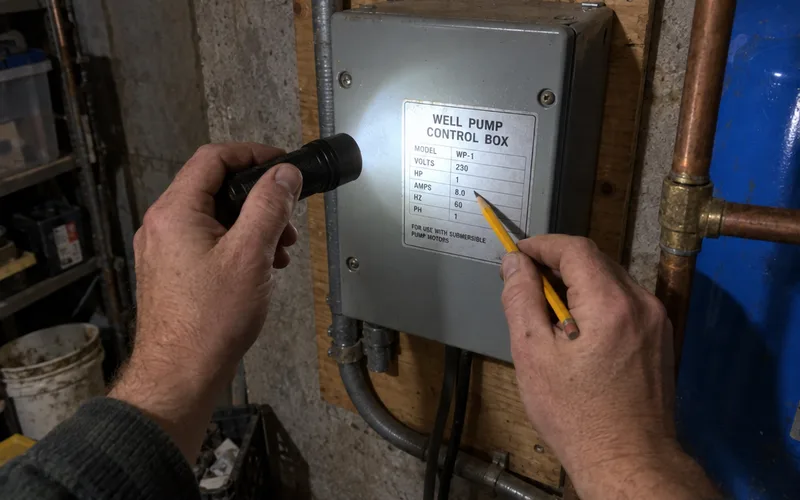
Look for “locked rotor amps” on the control box, the current a motor draws before it gets moving. If it isn’t listed, an electrician can measure the start with an inrush-capable clamp meter.
Note: Don’t guess the voltage from the horsepower. 2 pumps with similar output can need different power.
Typical draws by pump size are in the breakdown of how many watts a well pump uses. The gap between the 2 ratings is why running vs starting watts matter so much here.
4 Types of Backup Power for a Well Pump
The 4 kinds of backup power for a well pump are portable generators, standby generators, pump battery backups and power stations. The right one depends on your pump’s voltage and whether it must switch on by itself.
The table compares them on the 3 points that decide most setups:
| Option | Switches on by itself? | Runs a 240V pump? | Fuel or recharge |
|---|---|---|---|
| Portable generator | No | Only with a 240V outlet | Gasoline or propane |
| Standby generator | Yes | Yes | Natural gas or propane |
| Pump battery backup | Yes | Model 1783: 120V only | Utility power |
| Power station | Usually no | Split-phase models only | Wall, solar or generator |
If you’re often away when storms hit, the second column matters most.
1. Portable Generator
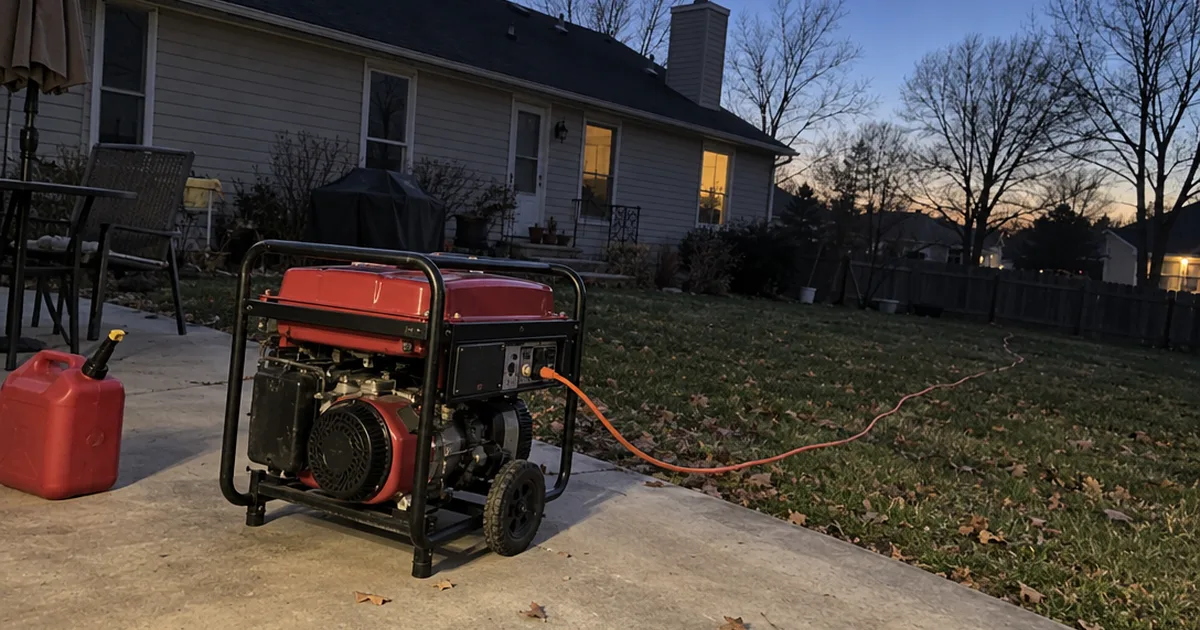
A portable generator runs a well pump when its running watts cover the pump, its peak watts cover the start and it delivers 240V for a 240V pump.
- Best for: Owners who are home during outages and can handle fuel. Skip it if you travel a lot.
- Cost: The generator, plus a transfer switch or interlock and an electrician’s time.
- First step: Write down your pump’s volts, running amps and starting amps.
Then do the math. Add the running watts of everything else you want on, like a fridge and lights, and check that the generator’s peak rating covers the pump’s start on top of that load.
That sum is the real sizing test, and the generator sizing basics walk through it for a whole house. To compare specific models, start with the best generators for well pumps.
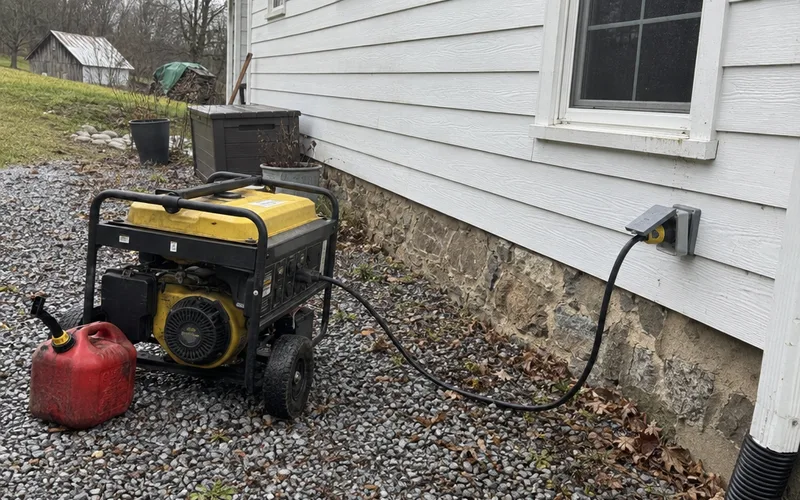
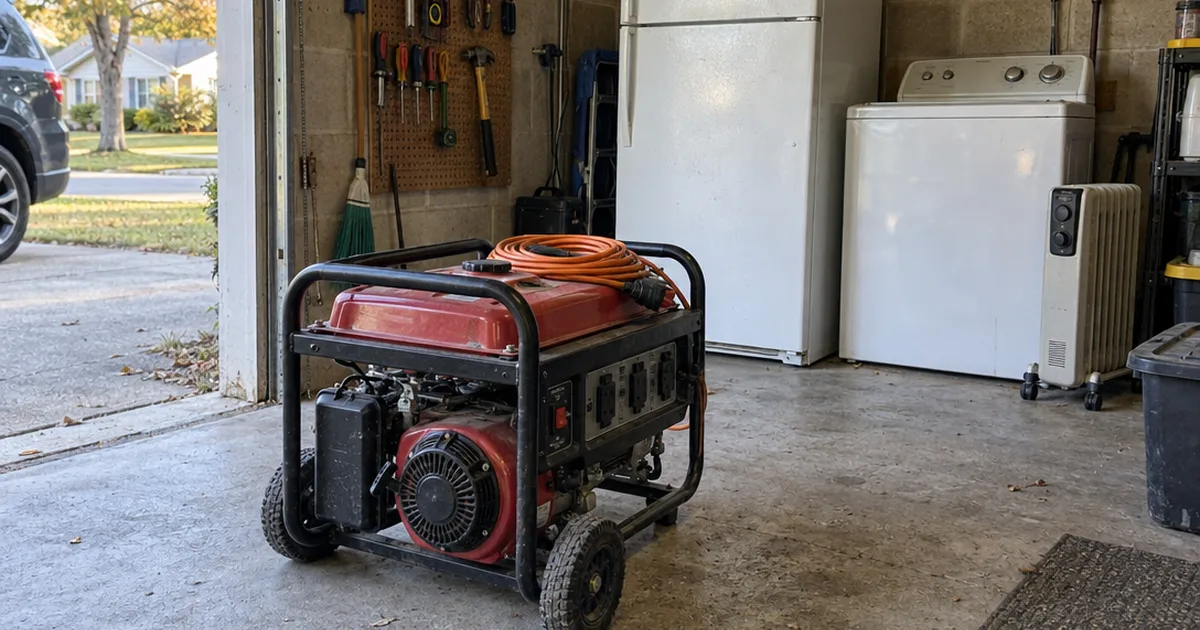
Keep the generator outdoors and away from windows and doors, as the carbon monoxide safety rules explain.
2. Standby Generator
A standby generator is the hands-off option. It’s wired in permanently, runs on natural gas or propane and uses an automatic transfer switch to take over when the grid drops.
- Best for: Homes with frequent outages, or owners who are often away. Skip it if you rarely lose power.
- Cost: Varies with size, fuel line and wiring, so you’ll need an installed quote.
- First step: Call 2 or 3 licensed installers for quotes.
A standby unit that skips the pump breaker leaves you with lights and no water. So confirm the well circuit is covered before you sign.
Ask the installer this: “My well pump is 240V and draws 7 running amps. Will it be on the backed-up circuits, and can the generator start it while the fridge runs?”
3. Dedicated Well Pump Battery Backup
A dedicated well pump battery backup sits between the pump and its power supply. It charges a battery bank while the grid is up and switches the pump to battery the moment power fails.
So yes, you can add battery backup to an existing pump without replacing it, a question readers ask on forums.
- Best for: Smaller 120V pumps where silent, automatic backup matters. Skip it if your pump runs on 240V.
- Cost: $1,950 for the SEC America Model 1783, before batteries.
- First step: Confirm your pump is 120V and check its running amps.
The SEC America Model 1783 listing prices that unit at $1,950 in 2026.
The same listing limits it to 115V/120V pumps that draw a continuous supply of no more than 15A.
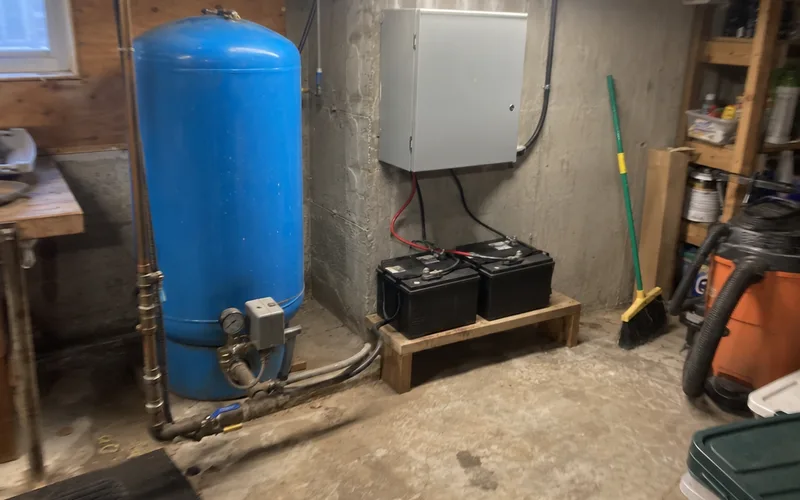
You supply the batteries yourself: a 24V bank of at least 2 batteries wired in series, per the listing.
SEC America claims 4 kW of turn-on surge for the unit.
By the company’s account, that lets most pumps rated up to 1.5 HP reach their full torque.
4. Portable Power Station or Solar Generator
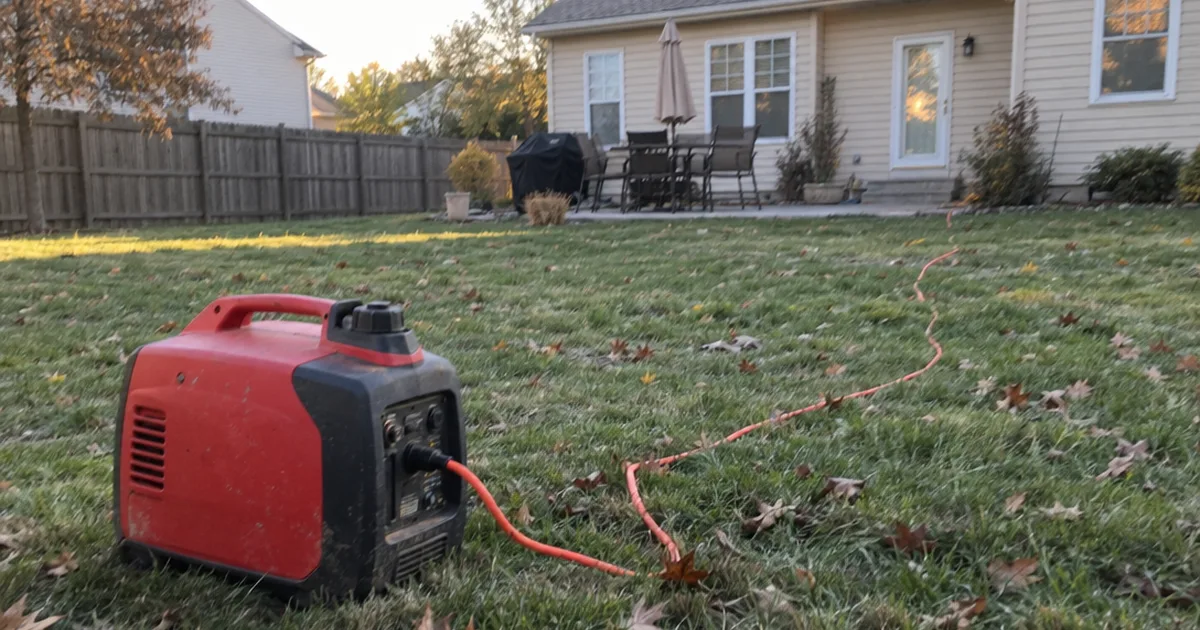
A portable power station or solar generator can run a well pump only if it matches the pump’s voltage and its surge rating covers the start. For a 240V pump, that means a split-phase 120/240V model.
- Best for: Owners who want quiet backup that also runs a fridge and lights. Skip it if the station is 120V only and your pump is 240V.
- Cost: Depends on the station’s output and battery size.
- First step: Check whether your pump is 120V or 240V before you shop.
That rule covers a Jackery or any other brand. Extra batteries add runtime, but the inverter sets the surge, so an expansion pack won’t save a pump that trips the station at startup.
That’s why the best solar generator for a well pump is the one whose surge rating clears your pump’s start, not the one with the most watt-hours. Solar panels then refill the battery between pump cycles during the day.
Model-by-model solar generator reviews show which units offer split-phase output, and the power station vs generator tradeoffs help if you’re still torn.
Connect Backup Power Without Backfeeding
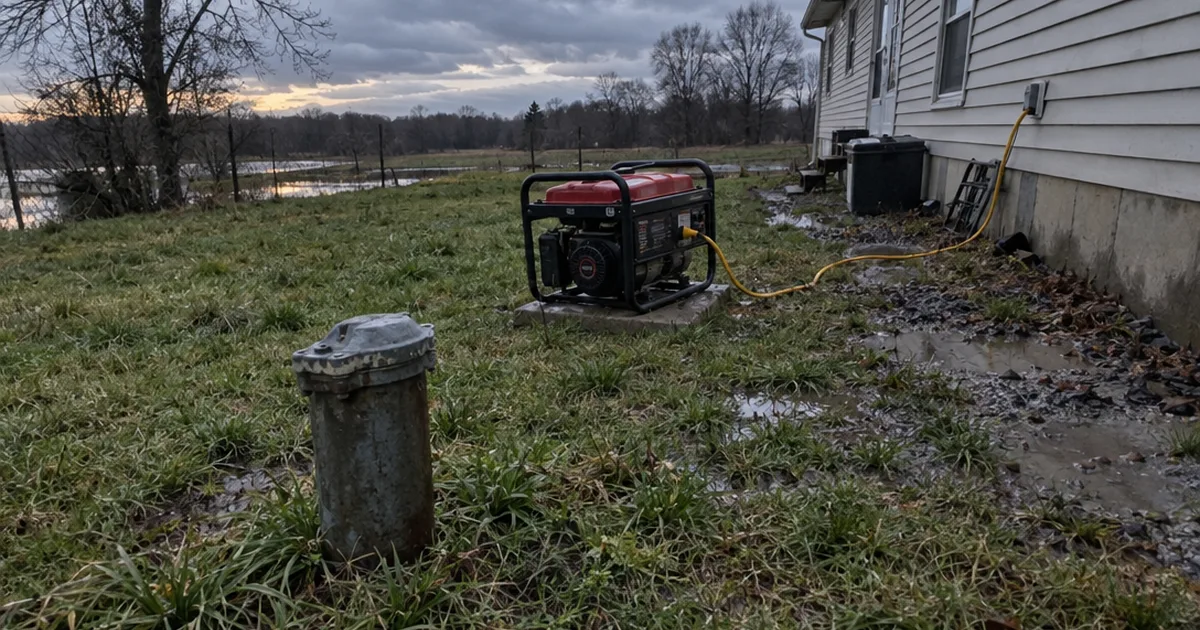
A generator or power station must feed a hardwired well pump through a transfer switch or a panel interlock. A cord plugged into a wall outlet backfeeds the utility line and can shock lineworkers.
A transfer switch moves chosen circuits, like the well, from the grid to the generator. An interlock kit is a sliding plate that stops the main breaker and the generator breaker from being on together.
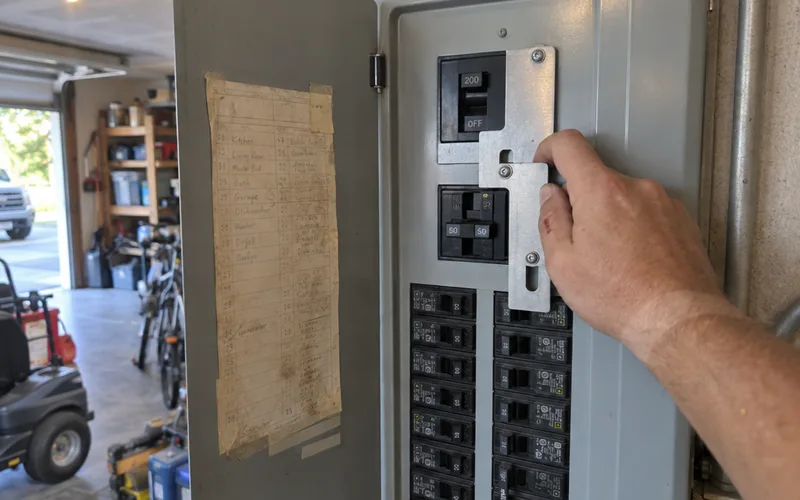
Both work, though cost and code rules differ, as the interlock vs transfer switch breakdown explains. Either way, a licensed electrician should do the wiring.
After that, the routine is short: pump breaker off, switch sources, start the generator, pump breaker on. Each step is laid out in the well pump generator hookup walkthrough.
How Long Backup Power Runs a Well Pump
Backup runtime for a well pump depends on how long the pump actually runs each day, not its horsepower. The pump only switches on when the pressure tank drops.
So multiply the pump’s running watts by its daily run hours to get watt-hours.
Take a made-up case: a 1,680-watt pump that runs 1 hour a day uses 1,680 watt-hours. A battery with 3,360 usable watt-hours would cover about 2 days of that pump alone, before inverter losses.
SEC America’s listing makes a similar promise for its Model 1783: water for as much as 2 days, or as long as the battery bank lasts, with room to add batteries.
Generators work differently, because they run as long as the fuel lasts, and generator runtime by fuel depends on load and tank size.
Want more hours? Fix drips before storm season, skip laundry during the outage and keep the pressure tank healthy so the pump starts less often.
Why a Well Pump Won’t Start on Backup Power
A well pump that hums or trips the backup at startup is short on surge, getting the wrong voltage or starting while other big loads run.
Each cause looks a little different:
- Not enough surge: the source’s peak rating is below the pump’s starting draw.
- Wrong voltage: a 120V-only source can’t run a 240V pump without extra equipment, and a plug adapter doesn’t count.
- Competing loads: a fridge or furnace kicking on at the same moment eats the surge.
Start by turning everything else off and trying the pump alone. If it starts, add loads back one at a time, and if it still won’t, work through the fixes for a well pump not working with a generator.
Which Backup Should You Choose?
The right backup for a well pump depends on your pump’s voltage, how often you lose power and whether someone will be home to start it:
- Often away, or outages are frequent: a standby generator or pump battery backup.
- A 120V pump under 15A: the Model 1783 fits its listed limits.
- A 240V pump on a budget: a portable generator with a 240V outlet and an interlock.
- Quiet backup with solar charging: a split-phase power station with enough surge.
Read your pump’s control box label this week, then pick the backup that clears its numbers.
Frequently Asked Questions
How can I run my well pump during a power outage?
You can run a well pump during a power outage with a generator, a pump battery backup or a power station that matches its voltage and starting surge. Connect it through a transfer switch or interlock, and switch the pump breaker off before you change sources.
Can you run a well pump off of solar power?
Yes, a well pump can run off solar power through panels that recharge a battery or power station, or through a solar well pump that replaces your current one. The battery is what keeps water flowing at night.
How much does backup power for a well pump cost?
Well pump backup cost depends on the type: SEC America lists its Model 1783 battery backup at $1,950 in 2026, before batteries. Generator setups add a transfer switch or interlock and an electrician’s labor, so get an installed quote.
How do you cut power to a well pump?
You cut power to a well pump by switching off its breaker in the main panel, often labeled well or pump, which is a double-pole breaker on a 240V pump. Some systems also have a disconnect switch near the pressure tank.