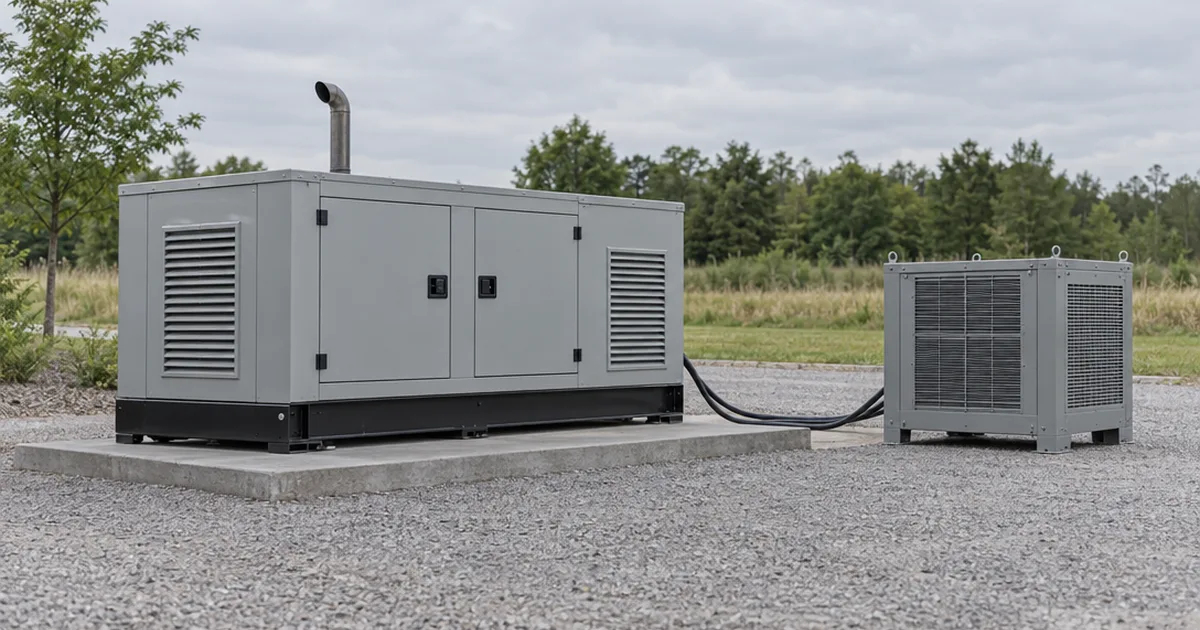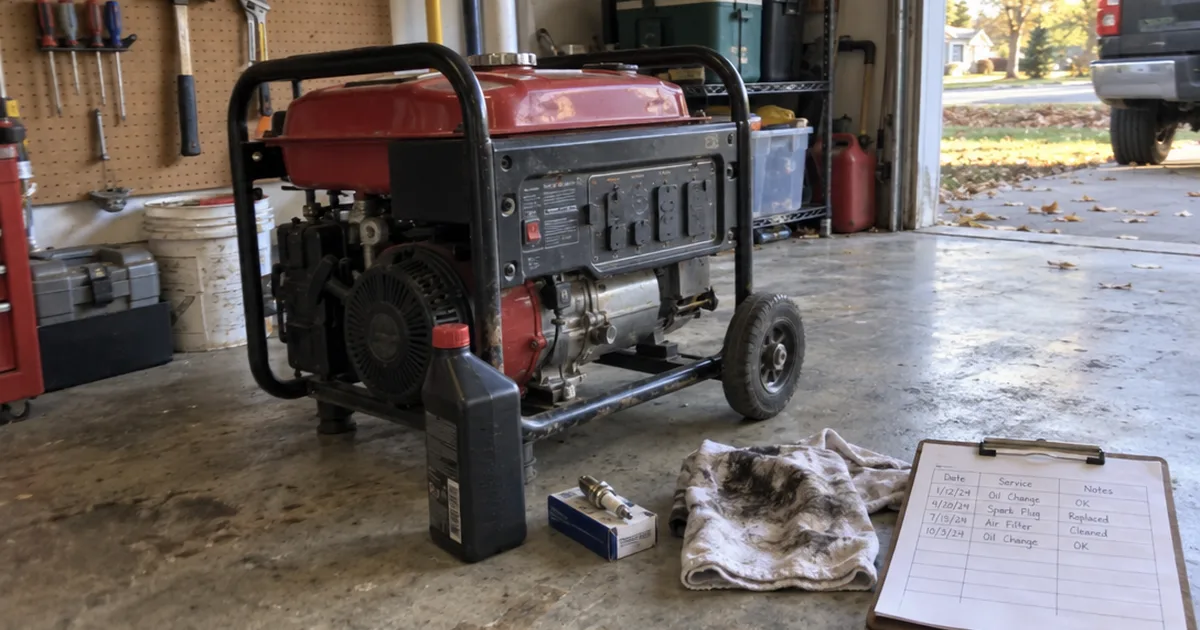
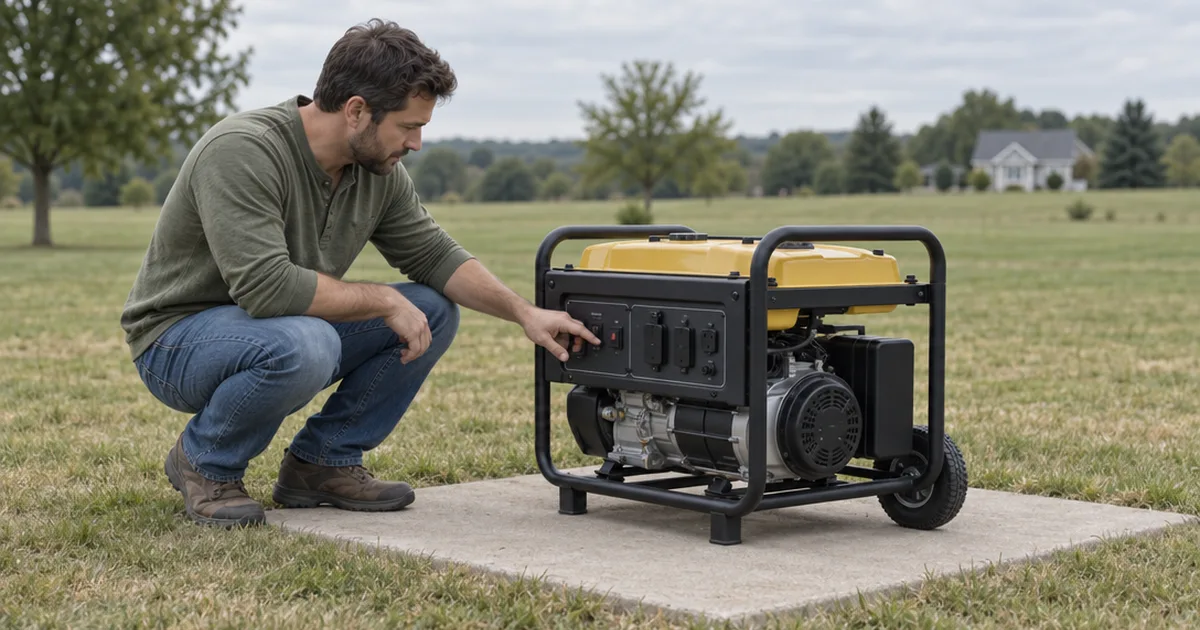
Your generator coughs, quits or runs with nothing coming out of the outlets, and you need to know where to look first. This page takes you from the symptom to the likely cause, then to the detailed guide for each fix.
It covers portable, inverter and home standby units, and it never replaces your owner’s manual. Troubleshooting here means narrowing the problem safely, not taking the machine apart on a hunch.
Start With Safety Before You Troubleshoot
A faulty generator can still be a hazard, because it makes exhaust, electricity and fuel vapor. So confirm the unit sits outdoors on dry ground before you touch anything.
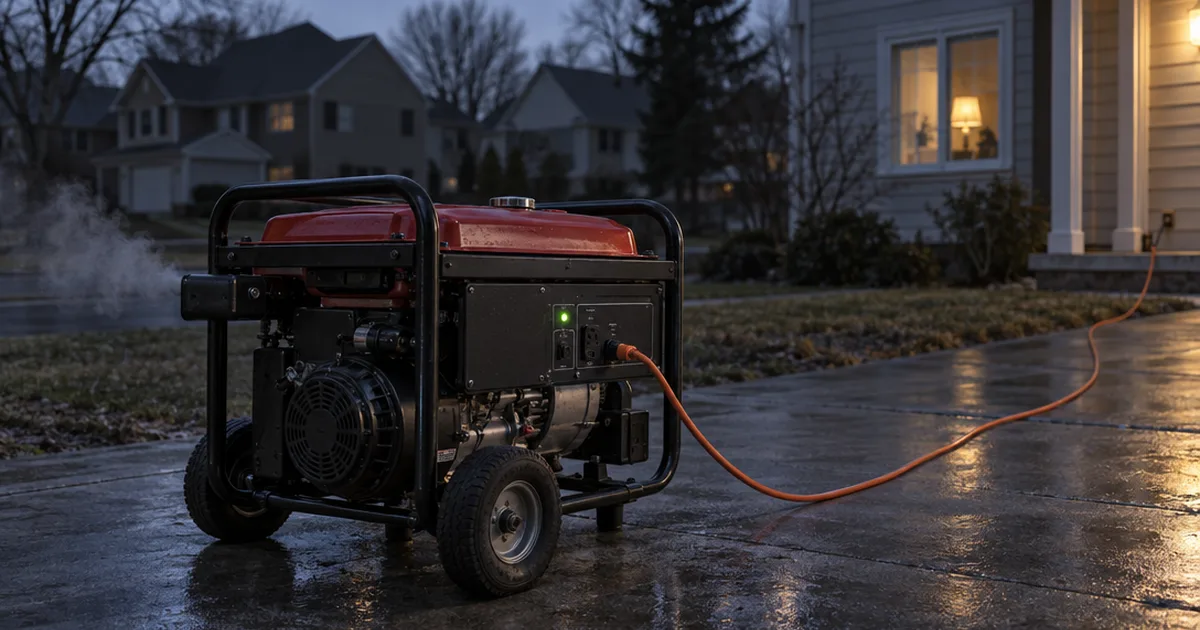
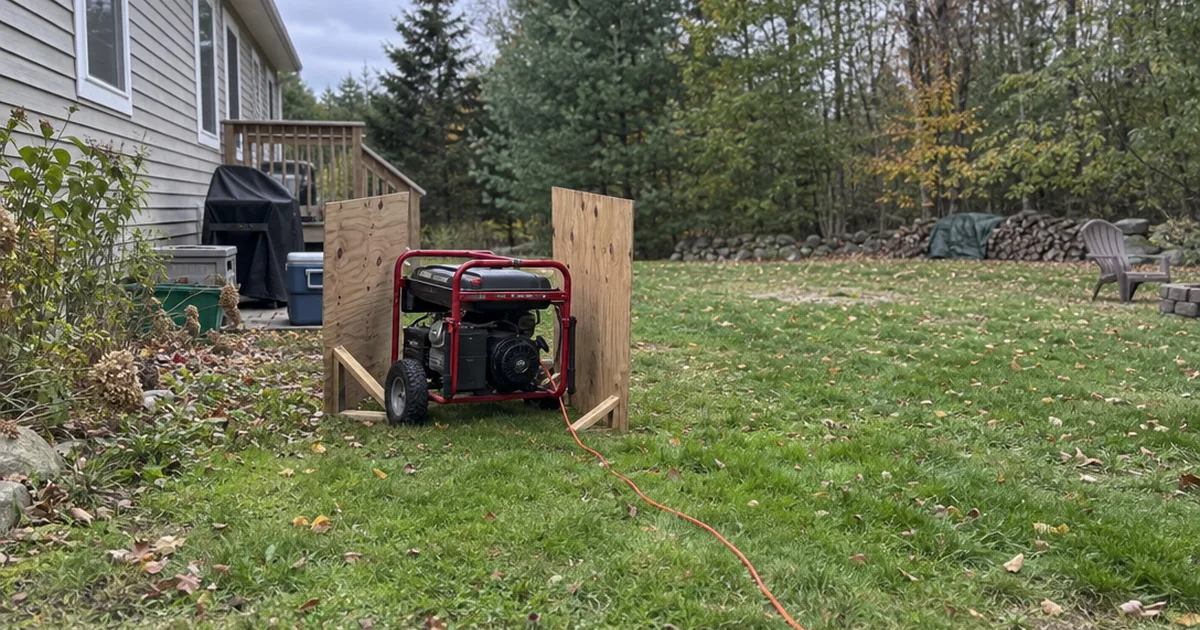
The Consumer Product Safety Commission says to run a portable generator outside only, at least 20 feet away from the house. It also says never to operate one inside a home, garage, basement, crawlspace or shed.
The reason is carbon monoxide, and you can’t smell it. The CDC calls it an odorless, colorless gas that kills without warning.
If anyone feels headache, dizziness, weakness, nausea or confusion, get into fresh air and call for help before you worry about the generator. The full outdoor-use rules live in our generator safety guide.
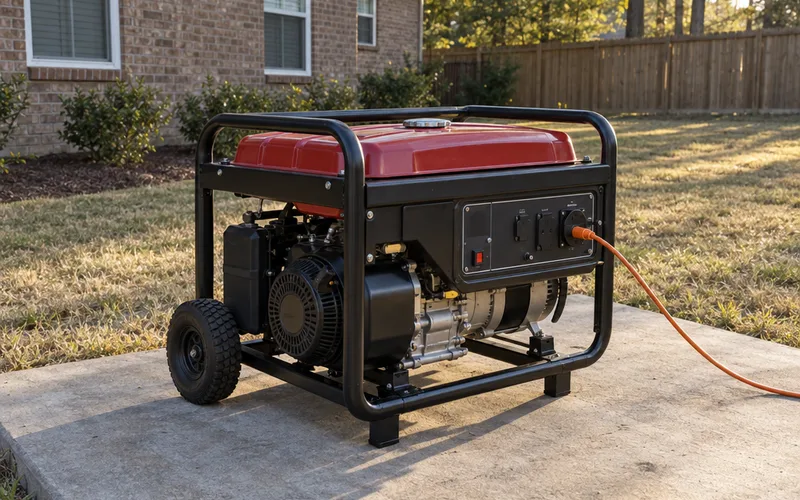
OSHA’s portable generator quick card adds two rules that matter during repairs. It says to shut down the generator before refueling, and never to connect one to a building’s wiring unless a transfer switch is properly installed.
Stop troubleshooting and get help if you see any of these:
- Smoke, flames or melted wiring
- A strong fuel smell or fuel running onto the ground
- A carbon monoxide alarm going off
- Sparks, or any shock from the frame or a cord
Run the Five-Minute Basics First
Most no-start and poor-running complaints come down to a short list. Work through it in order with the engine off and cool.
Fuel comes first. Gasoline that has sat for months can gum up the carburetor, and a tank that is simply empty looks the same as a dead engine.
Read what happens when a generator runs out of fuel before you assume something is broken.
Check the fuel valve too, since a half-closed valve starves the engine. A valve that sticks or leaks may need a replacement fuel shut-off valve.
Oil is next. Many engines carry a low-oil sensor that blocks starting, so check the level on flat ground and follow your manual.
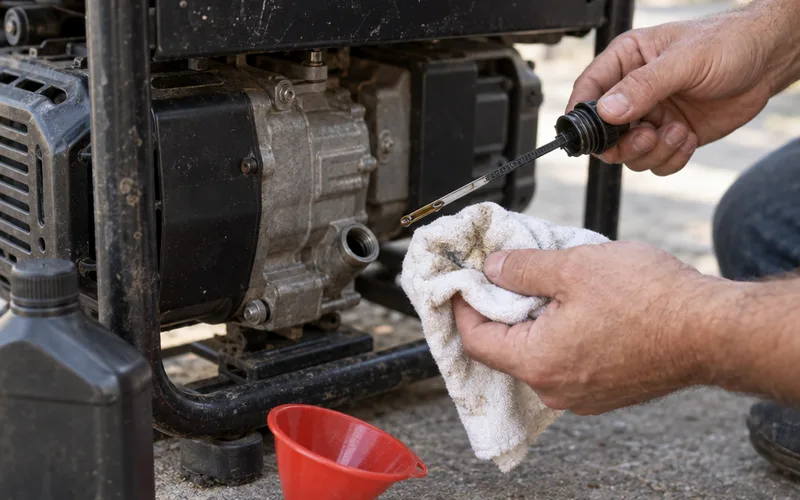
Then look at the switches: the engine switch, choke, fuel valve and any breaker. A switch left in the wrong position is a simple fault that costs nothing to fix.
Unplug everything from the outlets before you try again. An engine that starts with no load can act very differently from one that stalls when you add a heater.
Finally, check the battery on any electric-start model. A weak battery makes the starter click or crank slowly, which can look like a dead generator.
Corrosion on the terminals, or a battery charger that has quit, is a common culprit.
Our generator battery guide explains how to keep one healthy.
If the basics all check out, the common reasons a generator stops working are worth a read before you go further.
Match Your Symptom to the Right System
The symptom you see usually points to one system. Use the table as a starting point, not a diagnosis.
| Symptom | Likely system | First check |
|---|---|---|
| Cranks, won’t fire | Fuel, spark | Fuel age, spark plug |
| Clicks or cranks slowly | Battery, starter | Battery charge, cables |
| Starts, then dies | Oil, fuel, load | Oil level, fuel cap vent |
| Surges or hunts | Carburetor | Fuel quality |
| Runs, no power | Breaker, output | Breaker, GFCI, cord |
| Overheats | Airflow, load | Vents, cooling air |
If a symptom fits two rows, start with the cheaper check. Fresh fuel costs far less than a new carburetor.
Two owner-level jobs solve a surprising number of problems. A fouled plug is a common cause of hard starting, and a spark plug replacement is usually quick.
A clogged filter starves the engine of airflow, so cleaning the air filter is worth doing early.
When the Generator Won’t Start
A generator that won’t start has three basic needs missing: fuel, air or spark. The detail comes from what the engine does when you try.
It Cranks or Pulls but Won’t Fire
An engine that turns over but never catches is the classic fuel problem. Our walkthrough on a generator that turns over but won’t start covers fuel, spark and choke in order.
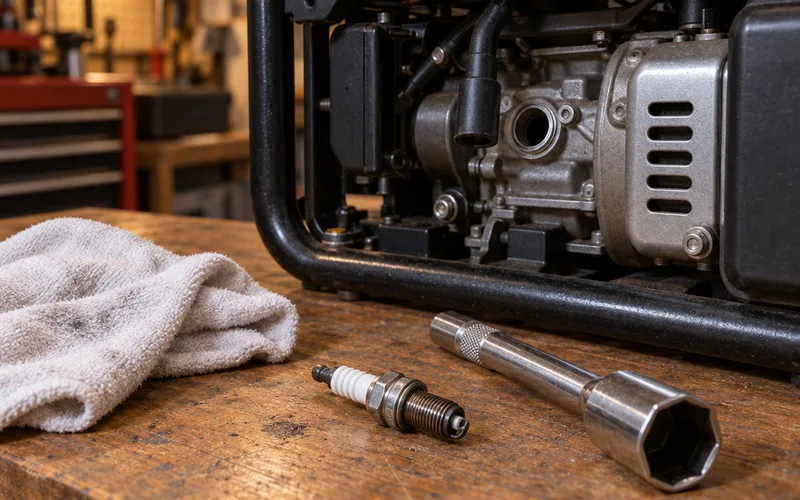
Stale gasoline often sits behind it. The fix may be cleaning the carburetor, or draining the tank first, as shown in how to drain gas from a generator.
A recoil starter that goes limp or snaps is a separate repair. You can read about pull cord replacement before ordering parts.
It Only Clicks, or Won’t Crank
Electric-start models add a battery, a starter and a few relays to the list. An engine that only clicks usually has a weak battery, a blown fuse or a loose, corroded cable.
If your Predator 8750 electric start isn’t working, that page walks through the battery, switch and starter checks for that model. A trickle battery charger helps if the unit sits unused for weeks, and a charger that has failed can leave the battery flat.
Model-Specific No-Start Problems
Some starting problems follow a model. These pages cover the common ones:
- Ryobi 4000 won’t start
- Sportsman 4000 won’t start
- Westinghouse 7500 won’t start
- Honda EU7000is won’t start
- Champion 2000 watt inverter troubleshooting
A small inverter that runs only with the choke on has its own cause. See the page on a Honda EU2000i that only runs with choke on for the fix.
Standby Units That Won’t Start
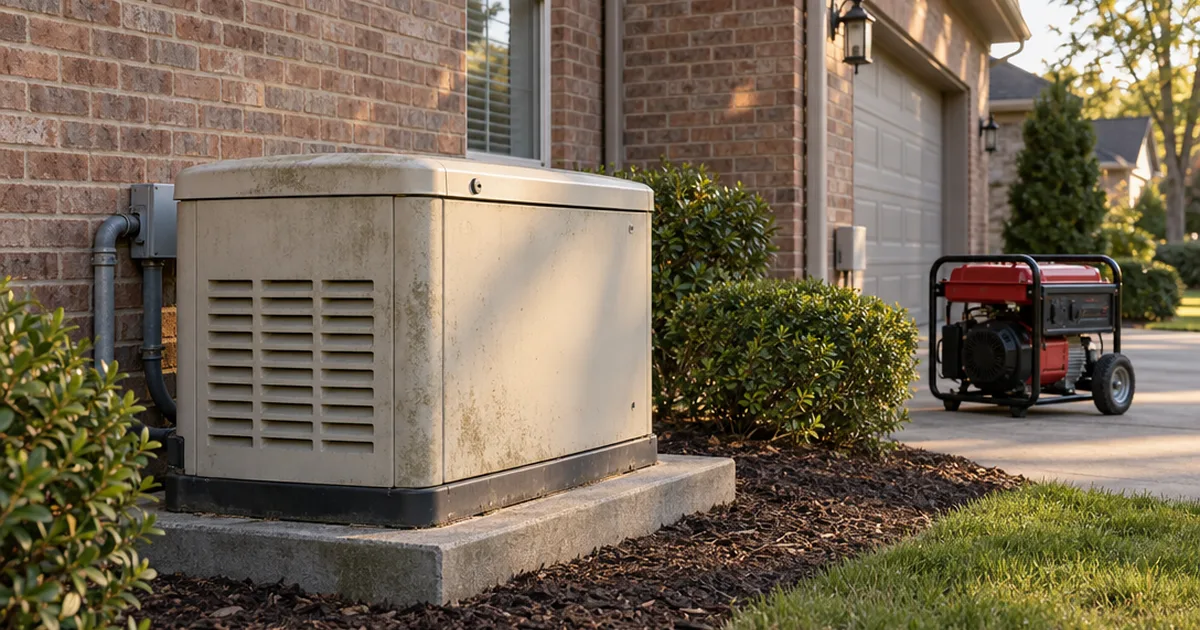
A home standby unit has to start itself while you’re not watching. When it doesn’t, the cause could be the battery, the controller or the signal from the transfer switch.
Cold air adds strain, so see why a Generac won’t start in cold weather. If the unit stays quiet during an outage, read what to check when a Generac does not start when power goes out.
A dark control panel is a different clue. That is covered in the page on no light on a Generac generator.
When It Starts but Dies, Surges or Bogs Down
A generator that runs for a minute and quits points away from the starter and toward fuel, oil or load. Notice how long it runs and what you did right before it stopped.
Start with the general guide on how to fix a generator that keeps cutting off. It sorts the cause by timing.
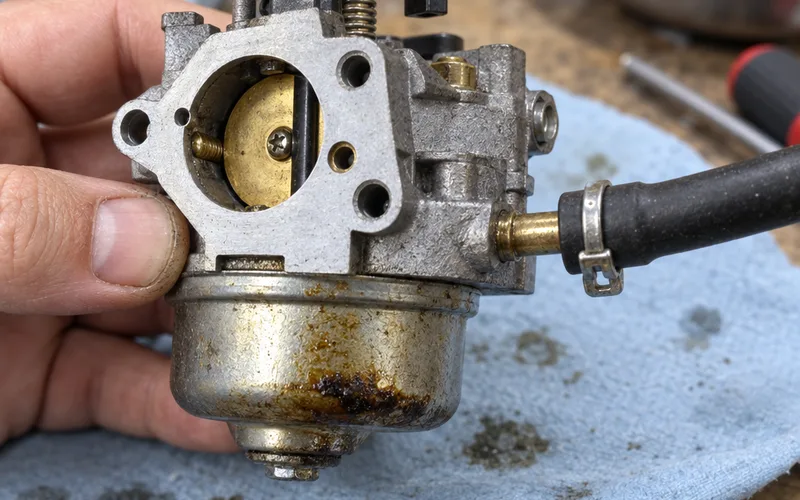
Surging, where the engine speed rises and falls, is often a carburetor problem or fuel starvation. The page on generator surging explains how to tell fuel trouble from a governor issue.
Under load, a different set of causes appears. See why a Generac bogs down under load and how overloading plays into it.
Backfires and Odd Noises
A loud bang from the exhaust deserves attention. Read about generator backfiring before you run it again, and check popping noises while running for the milder version.
Safety Shutoffs and Reset Buttons
Some units shut down on purpose. The CPSC recommends a CO shut-off feature, which stops the engine when carbon monoxide runs high.
If yours stops for that reason, the page on how to reset a Predator carbon monoxide sensor shows how one model handles it.
Other brands put a protective button on the unit. The Briggs & Stratton reset button page shows what it does and when pressing it again is a bad idea.
One more cause is a fuel change. People who convert a unit to gas often hit problems converting a generator to natural gas, so check that guide if yours runs on it.
Smoke, Smells and Leaks
Your eyes and nose can tell you a lot. Treat any leak or fuel smell as a stop sign, because leaking fuel near a hot engine is a fire hazard.
If you smell fuel, read about a generator that smells like gas before the next start. A puddle under the unit needs the guide on why a generator is leaking fuel, and an oily drip points to a generator leaking oil.
Smoke color is a useful clue, as the next table shows.
| Smoke or sign | Often means | Read next |
|---|---|---|
| Black smoke | Too much fuel, airflow | Black smoke guide |
| White smoke | Oil, moisture, coolant | White smoke guide |
| Smoke at startup | Oil, fuel residue | Startup smoke guide |
| Wet, sooty exhaust | Light-load running | Wet stacking guide |
Use the table to pick the right page, then confirm the cause on that page. Each one lists safe checks and what to leave to a technician.
For a rich, sooty exhaust, see why there is black smoke from a generator. A cloud of pale smoke is the topic of a generator blowing white smoke.
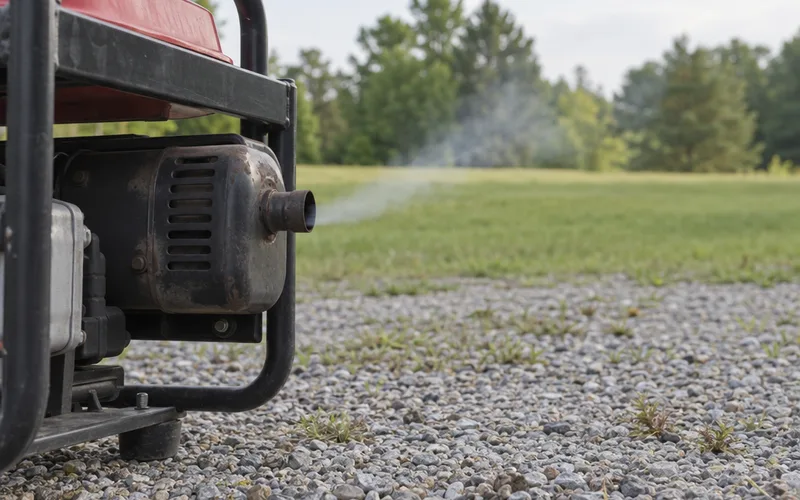
Smoke that clears after a few seconds belongs to a generator that smokes on startup. Engines that run for long periods at very light load can suffer generator wet stacking, which is most common on diesel units.
When It Runs but Gives No Power
An engine that sounds healthy and still gives you nothing is an electrical problem. The most common reasons are simple, so check them before you suspect the alternator.
The overview on a generator not producing power lists them in order. Begin with the breaker, because many models have a generator circuit breaker on the panel that trips under overload.
A breaker that refuses to latch has its own page, covering a circuit breaker that will not reset.
If it trips again and again, read why a generator keeps tripping. A short circuit in an appliance or a heavy electrical load may be the cause.
Remember the rule of thumb in the FAQ below: keep your running load near 80% of rated output. Unplug everything, reset the breaker and add loads back one at a time.
If the breaker holds but the outlets stay dead, try a different cord and a simple load such as a lamp. A GFCI outlet on the panel may also have tripped, so press its reset button once the load is unplugged.
Deeper Electrical Faults
When the simple causes fail, the fault may sit inside the generator end. These guides are for people comfortable with a multimeter, and any step that opens live wiring belongs with a technician.
- Generator AVR testing explains how the voltage regulator is checked
- Testing a generator stator covers the output windings
- How to excite a generator covers a unit that has lost its field magnetism
- Kohler AC sensing loss covers a standby fault message
Never use workarounds that bypass a protective device. If a standby unit feeds the house, only a properly installed transfer switch should connect it.
Overheating and Protective Shutdowns
A hot engine can be a sign of blocked airflow, a dirty cooling path, too much load or low oil. Move the generator into open air, let it cool and look for covered vents before you restart.
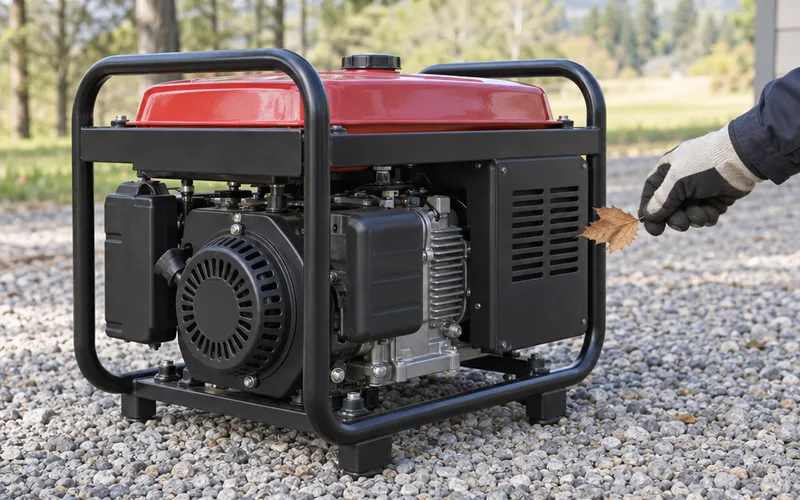
Check that nothing covers the vents, that exhaust and ventilation paths are clear and that the oil level is right. The guide on generator overheating lists those checks in more detail.
A unit that stops itself may have tripped a protective sensor, which is covered in the page on a generator high temperature shutdown. Wait for the engine to cool fully before you check anything.
Write It Down Before You Reset Anything
Notes turn a vague complaint into a problem someone can actually solve. Before you reset a breaker, clear a fault light or swap a part, record what the generator did.
Jot down when it happened, how long the engine ran, what was plugged in and any light or code on the panel. A phone photo of the control panel and the data label with the model number takes ten seconds.
Those details separate a fuel fault from an overload, and they make a call to a dealer far shorter. They also stop you from repeating a test that already failed, which saves fuel and patience during an outage.
Brand Manuals and Model-Specific Help
Your manual outranks any general advice, including this page. It lists the fault codes, light patterns and service steps that apply to your exact model.
Owners of standby units can start with the Generac generator troubleshooting page.
If you have a portable Firman, see the Firman troubleshooting manual for where its documents live.
Diesel units follow the same fuel, air and electrical logic, but their fuel systems and service steps differ. Use the maker’s manual for those, and treat any high-pressure fuel work as a technician job.
Keep your model and serial numbers with the manual. They make a call to support or a dealer much faster.
Know When to Stop and Call a Technician
Some jobs aren’t owner jobs. Fuel leaks, internal engine work, anything involving house wiring and standby generator faults belong with a qualified professional.
Before you call, share the notes you wrote down. If you’re still deciding which repairs suit you, our guide to generator repair sorts the jobs by who should do them.
After any repair, run the generator outdoors with nothing connected first. Let the engine settle, listen for new noises, then add loads one at a time and watch for smoke, heat or a fuel smell.
Good care prevents most of these faults in the first place. The generator maintenance section covers the oil, fuel and test runs that keep a generator ready when the lights go out.
Frequently Asked Questions
What is the most common problem of generators?
Fuel trouble is among the most common, especially old gasoline left in the tank and carburetor. A generator that sat for a season and now won’t start or surges is a classic case.
What is the 80% rule for generators?
It’s a rule of thumb that you keep your running load at or below about 80% of the generator’s rated output. That leaves headroom for surges and eases strain on the engine, but your manual’s ratings come first.
What are five common faults that can occur in generators?
The usual five are no start, starting then dying, surging, no electrical output and overheating or a protective shutdown. Each one points to a different system, which is why the symptom is where you begin.
Why is my generator running but not producing any power?
Start with a tripped breaker or GFCI, an overload or a damaged cord. If those check out, the fault may be in the alternator or voltage regulator, and that is a job for a technician.
How do I know if my generator kicked on?
A standby unit usually cranks, settles into a steady engine sound and then shows a running status on its control panel. If you only hear a click or see a fault light, check your manual’s start sequence.